Cát Bà, Hải Phòng · Landmark
Viet Hai Village Gate
Picture a village gate, the kind anyone who has visited the Vietnamese countryside would recognise. The difference is that the people walking through it have just stepped off a boat, and the gate has English letters on it.
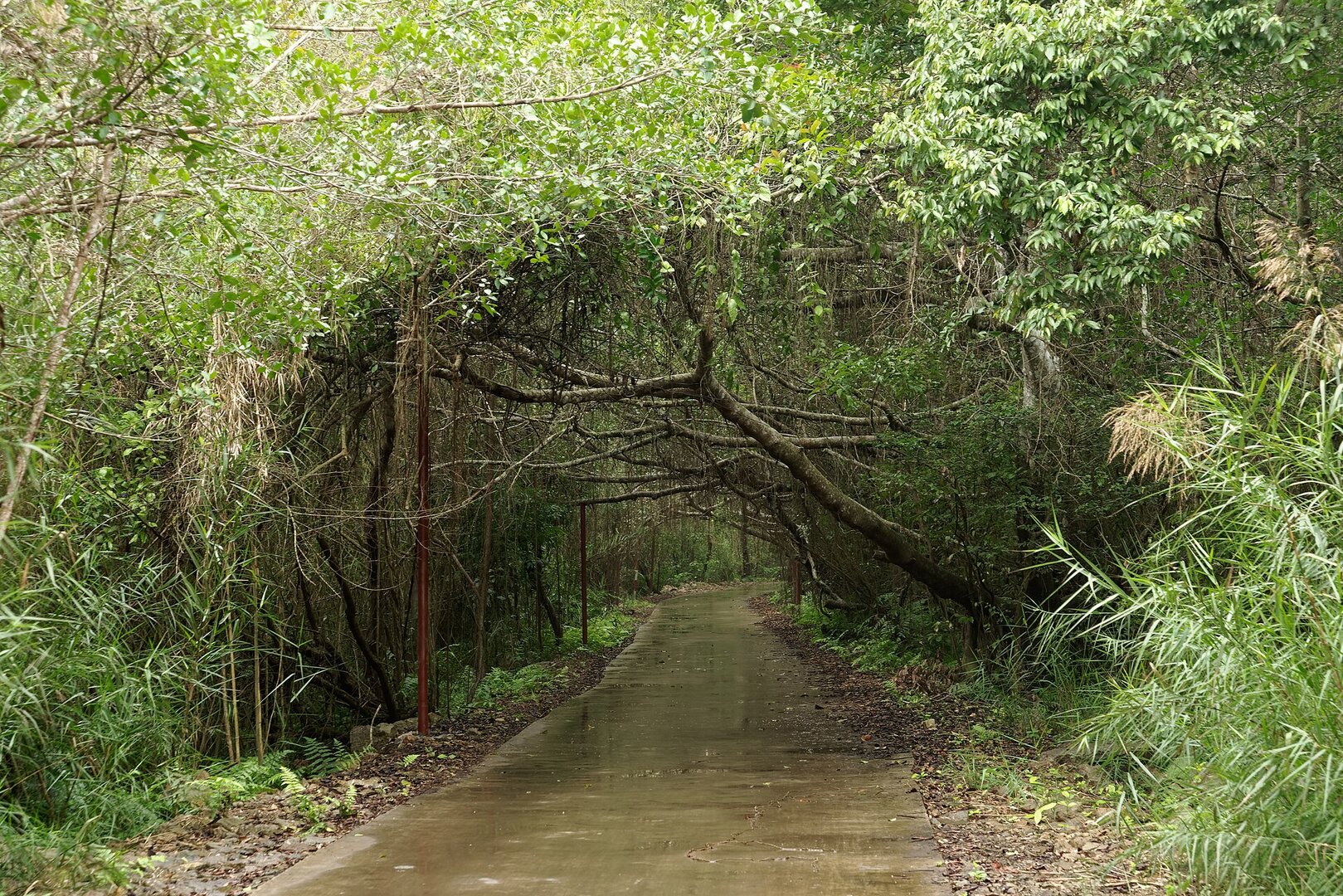
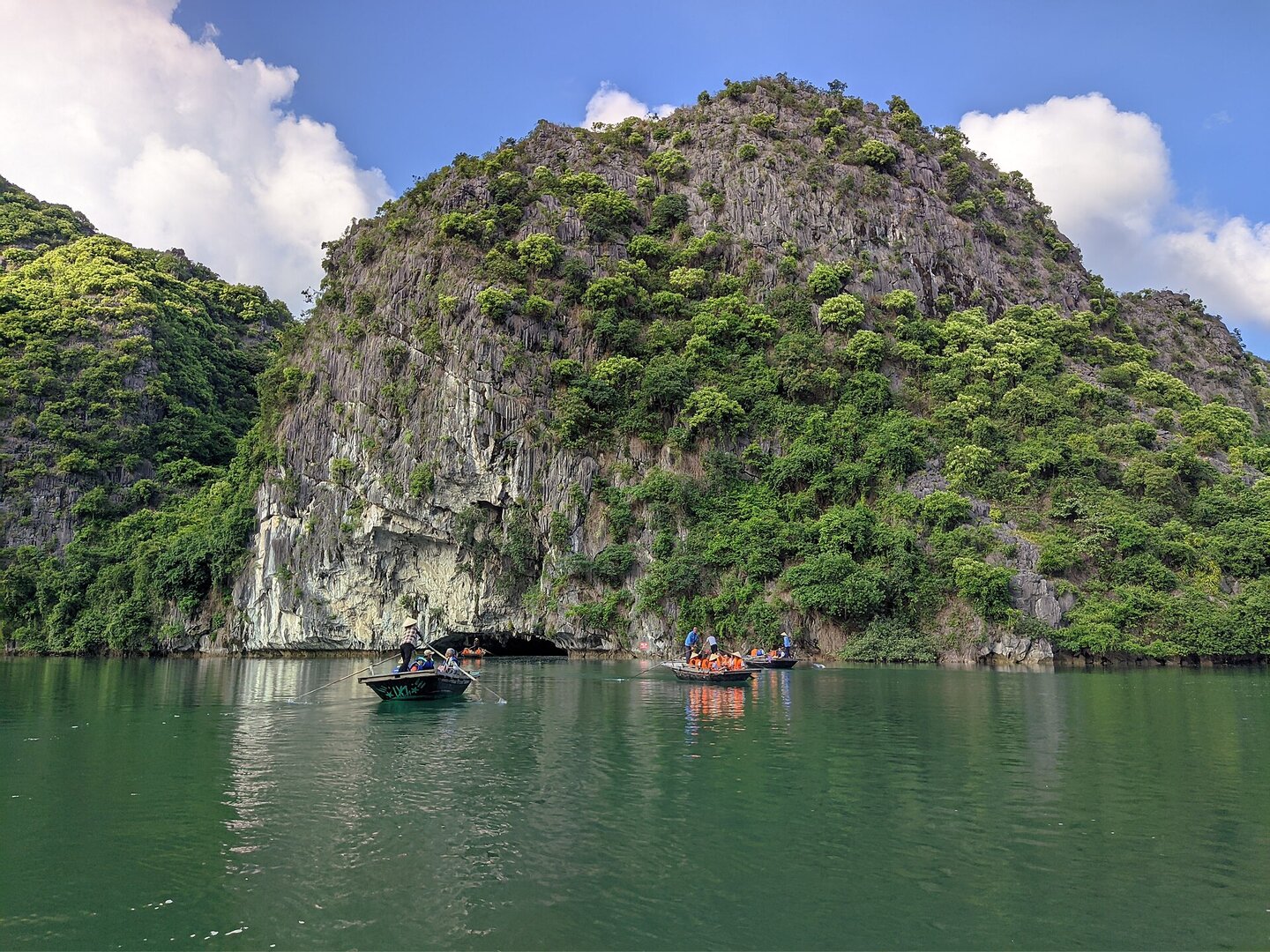
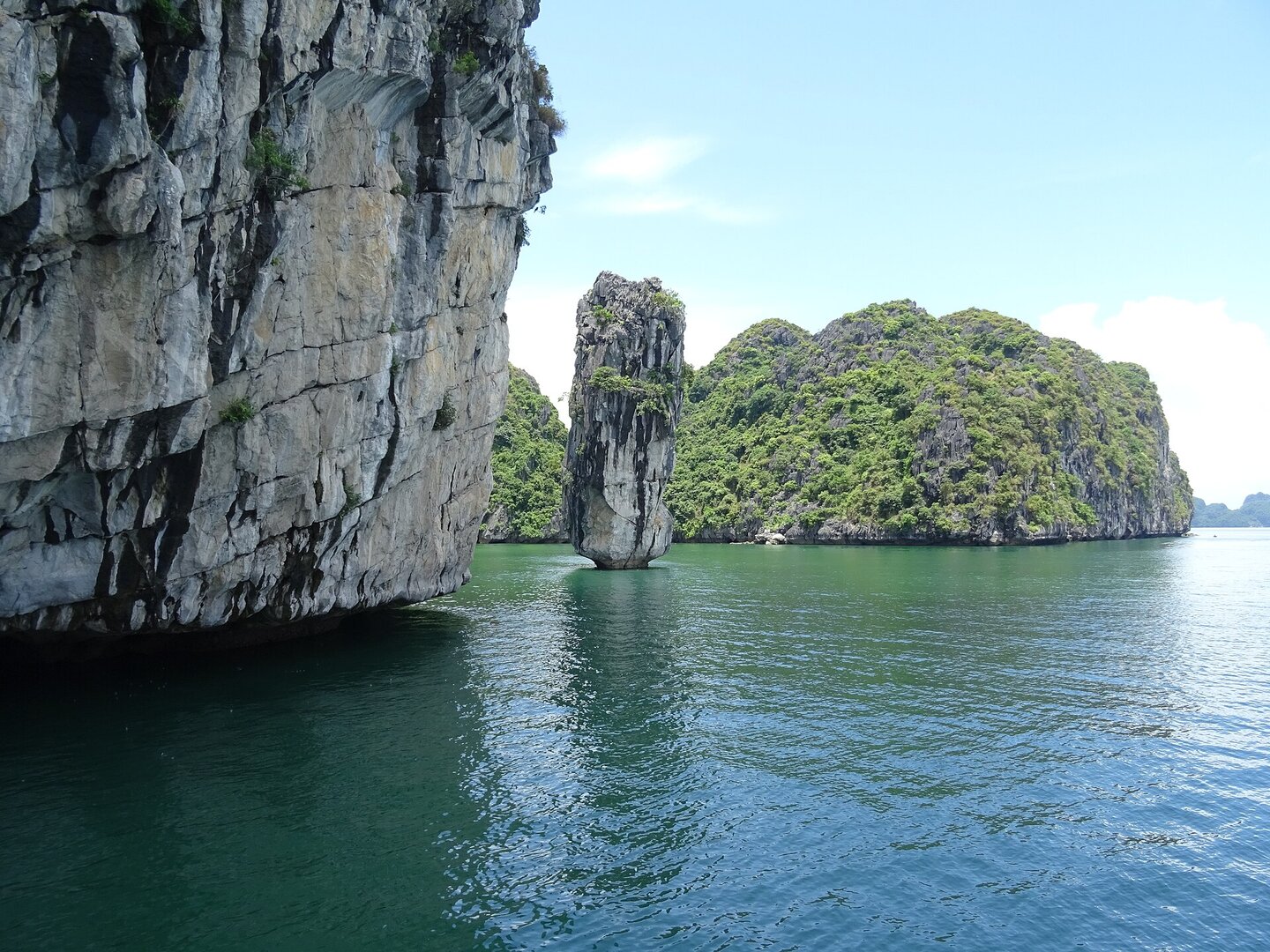
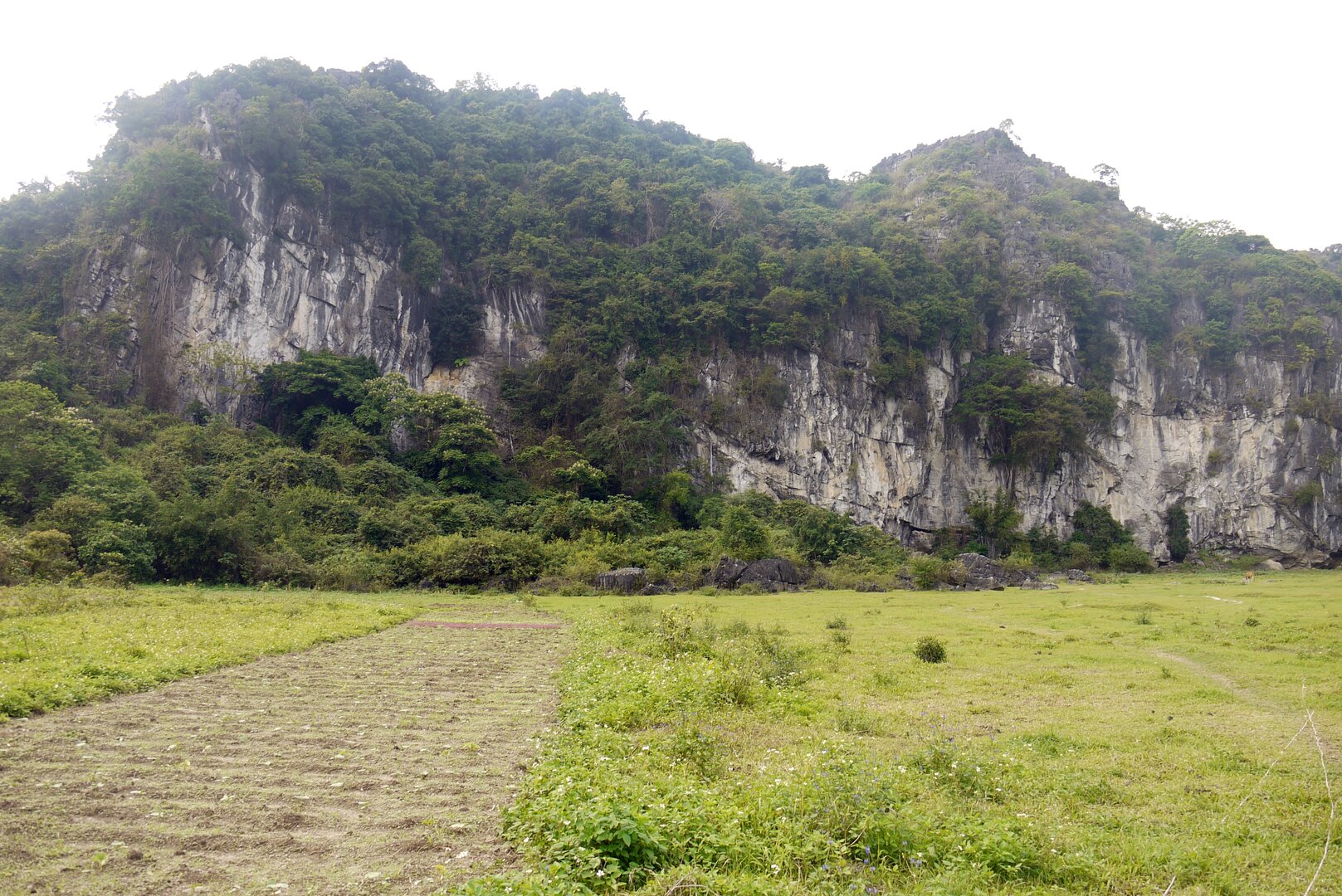
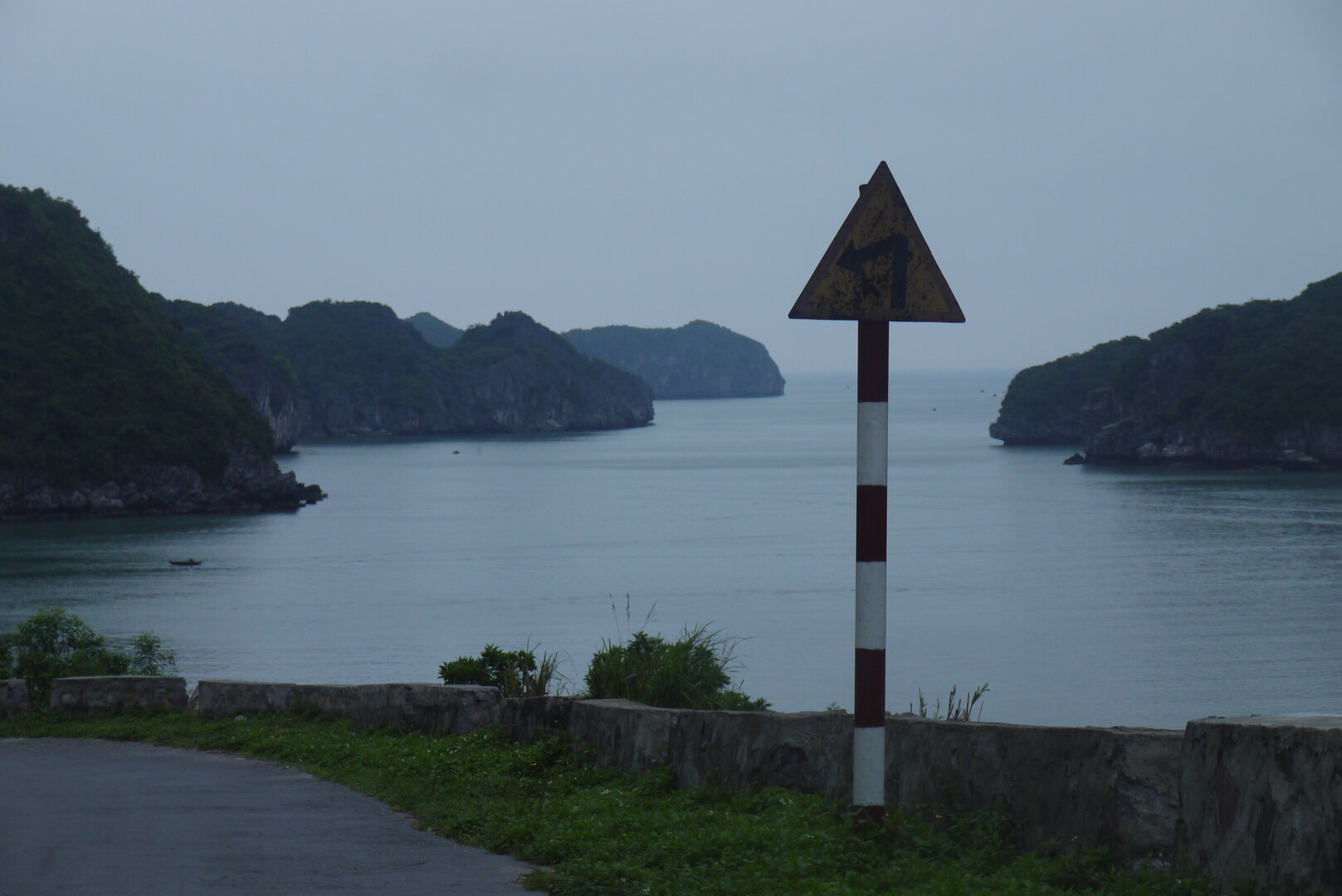
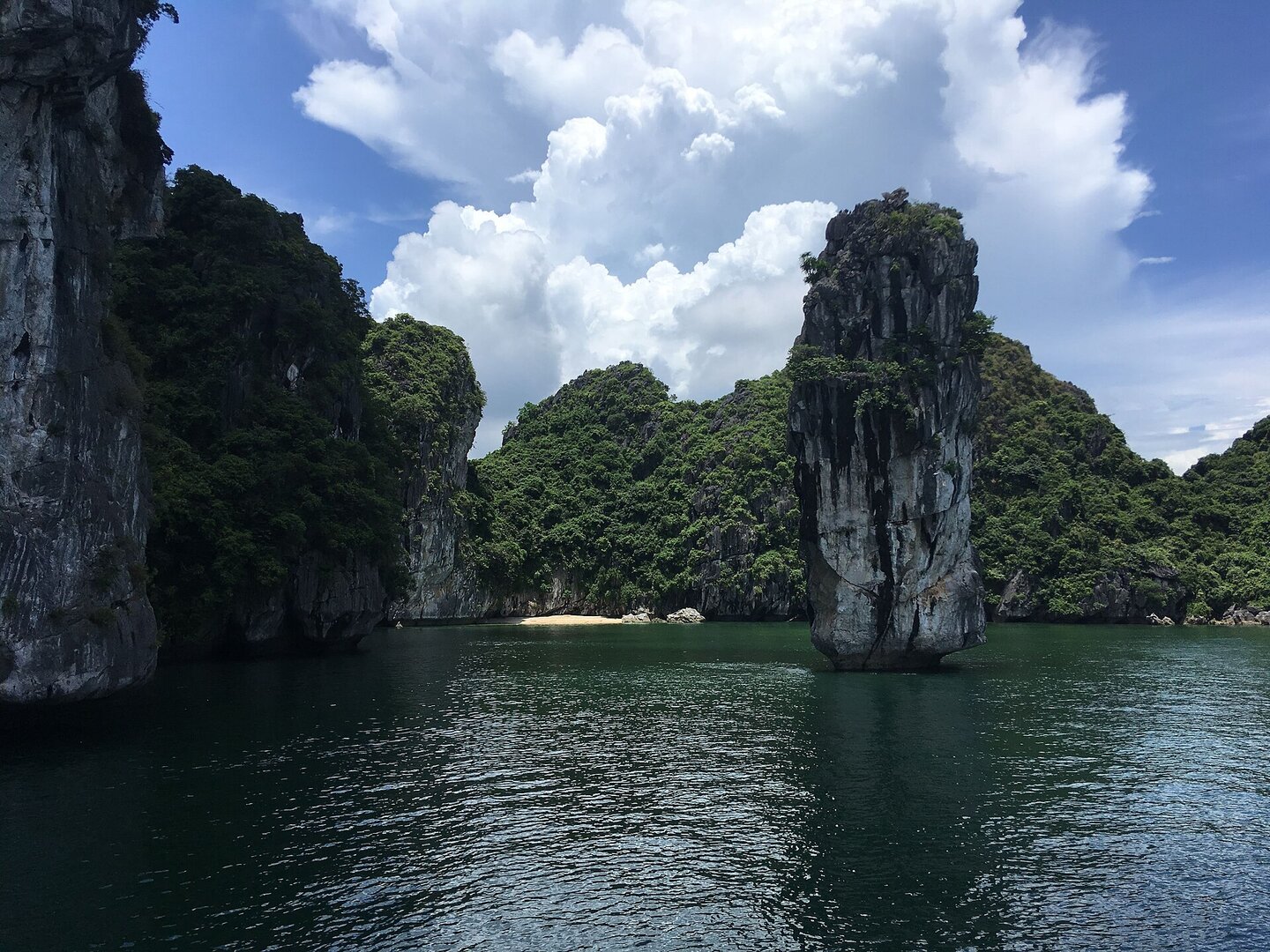
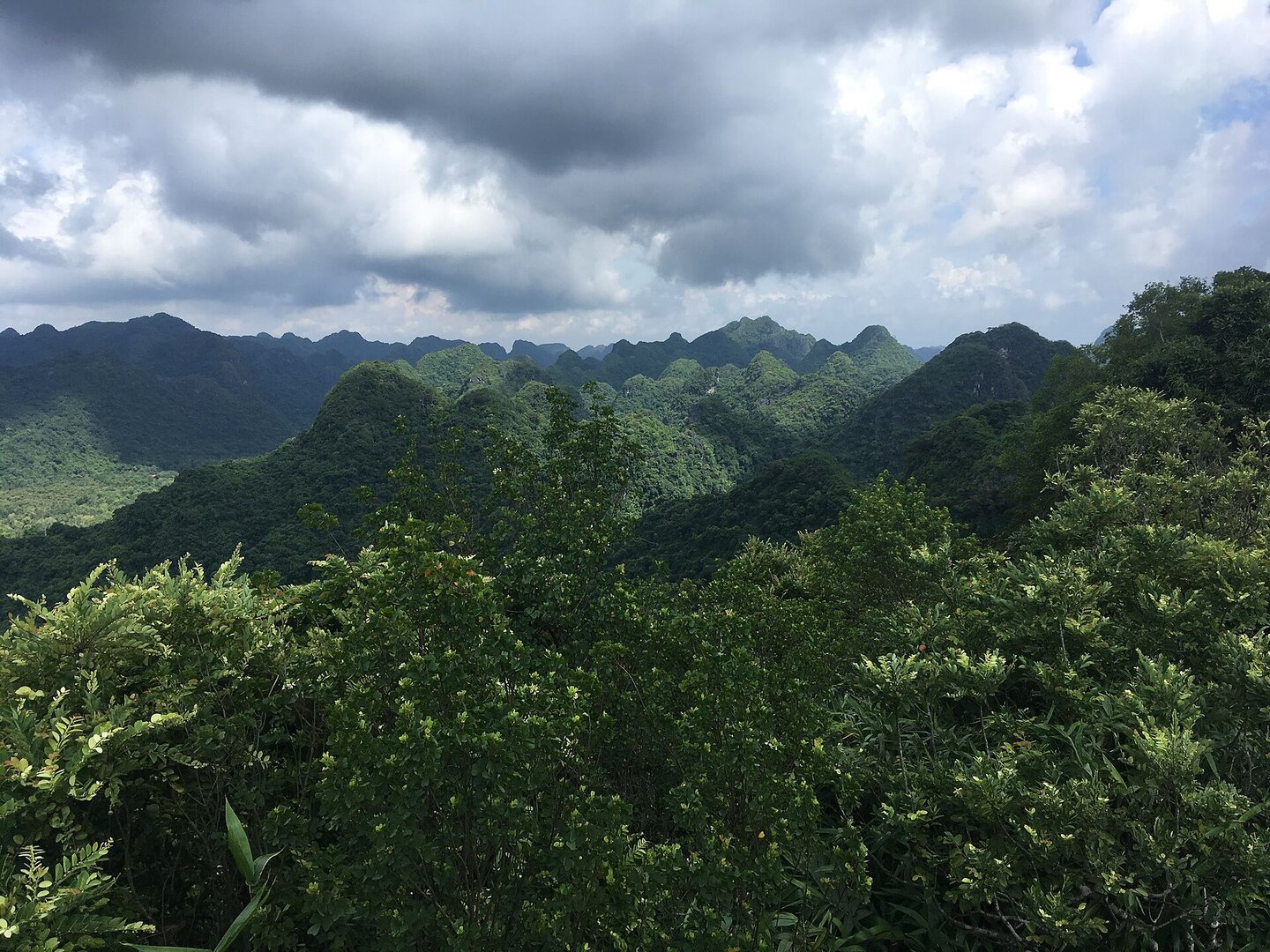
Việt Hải is a village on Cát Bà island, inside the core zone of Cát Bà National Park, among limestone mountains, forest and sea. No road leads directly into the village. You get there either by boat across Lan Hạ Bay or on foot through the national park's forest. A road runs from the boat landing to the village, with limestone cliffs and greenery on both sides. The village gate stands at the edge of that road, beside a lagoon, between the landing and the village.
A village gate with English letters, in a village no road reaches
Villagers say the village is more than a century old. Fishermen working Lan Hạ Bay ran into a storm, sheltered from the wind at Việt Hải, found fresh water there, and some of them stayed. The village began with a stop to wait out a storm.
Việt Hải still keeps much of its old village life: a simple gate, houses with thick stone walls and low roofs built to stand up to coastal storms, houses roofed with tiles or thatch, yards for drying rice, wells and fish ponds. But the gate has English letters on it. In Vietnam, a village gate (cổng làng) usually makes people think of the road home. Here it has become a greeting for people from far away. Are you curious how a village with no road, set inside a national park, keeps its old ways when the greeting at its gate is written in its visitors' language?
Past the gate, the road runs between rice fields, lagoons and village houses. Visitors often stop at the gate for a photo, then cycle into the village. The village is quiet, with few motorbikes. People get around mostly by bicycle or electric cart. Villagers still live by farming and by fishing and harvesting seafood.
Photographs
2 of 2 on fileEnough to decide whether to go
- What it is
- The entrance gate to Việt Hải village, on Cát Bà island
- Where
- Việt Hải hamlet (thôn), Cát Hải special administrative zone (đặc khu), Hải Phòng city
- Getting to the village
- By boat across Lan Hạ Bay, or on foot through the forest of Cát Bà National Park
- From the landing to the village
- On foot, by bicycle or by electric cart
- Village dates from
- More than a century ago, according to villagers
- Around the gate
- Limestone cliffs, lagoons, rice fields, stone-walled houses
From someone who has been
Arriving by boat, you pay for the boat. Coming through the forest, you buy a ticket at the national park gate. Stop at the village gate for a while before you cycle in: behind you is the road from the landing, and ahead are the rice fields and stone-walled houses of a village that began with a storm.
Vibe
Tags
Source
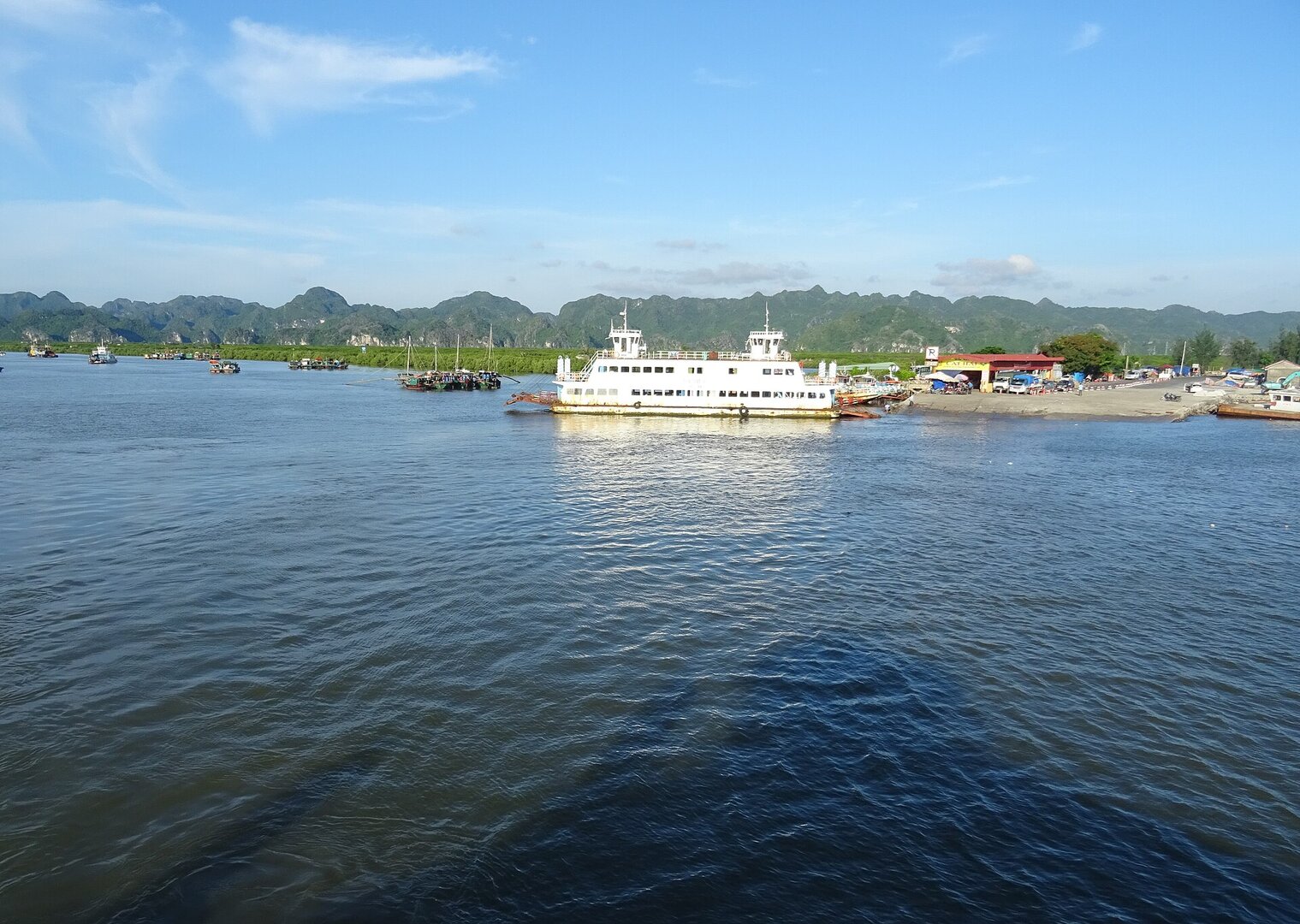
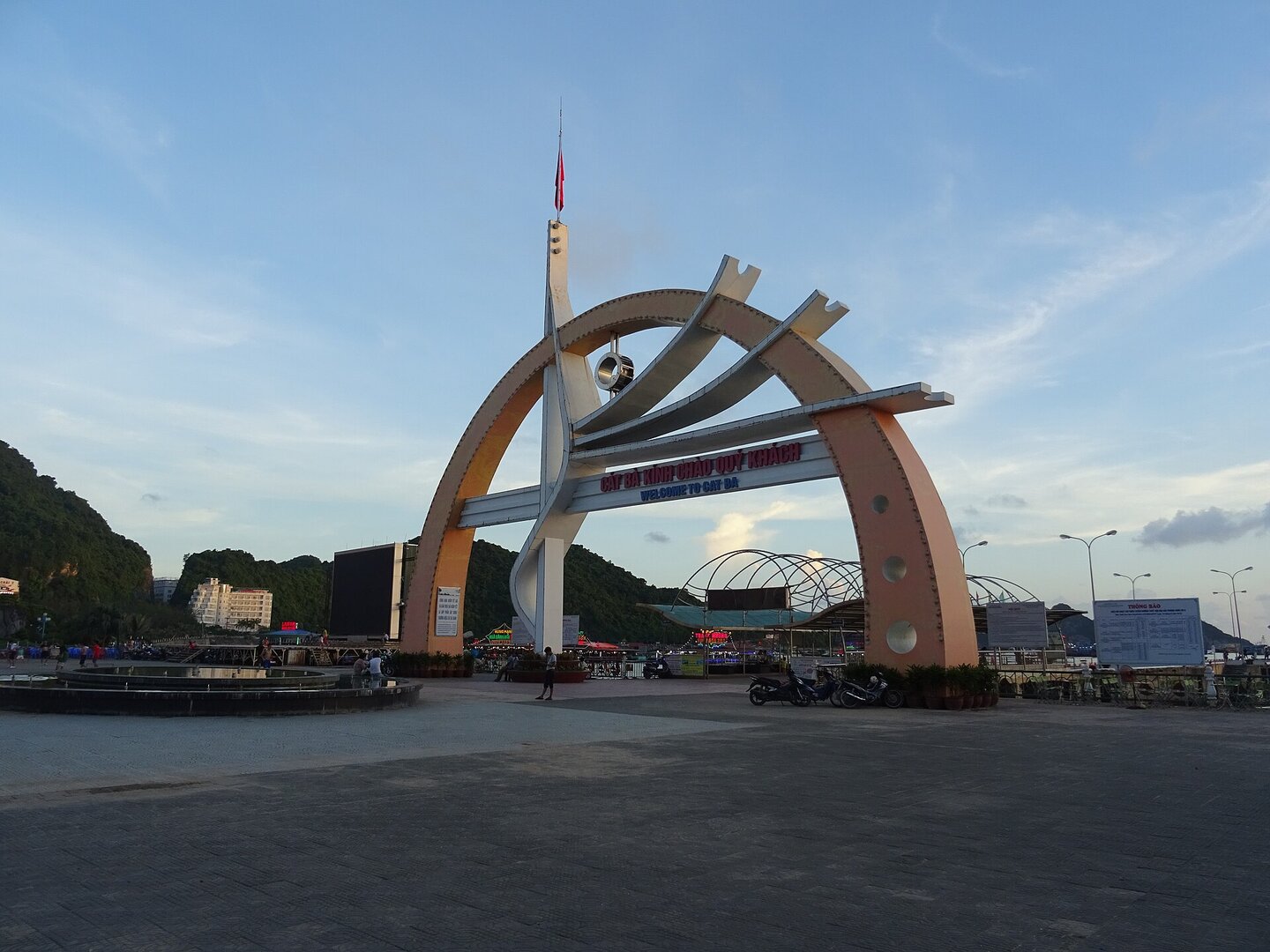
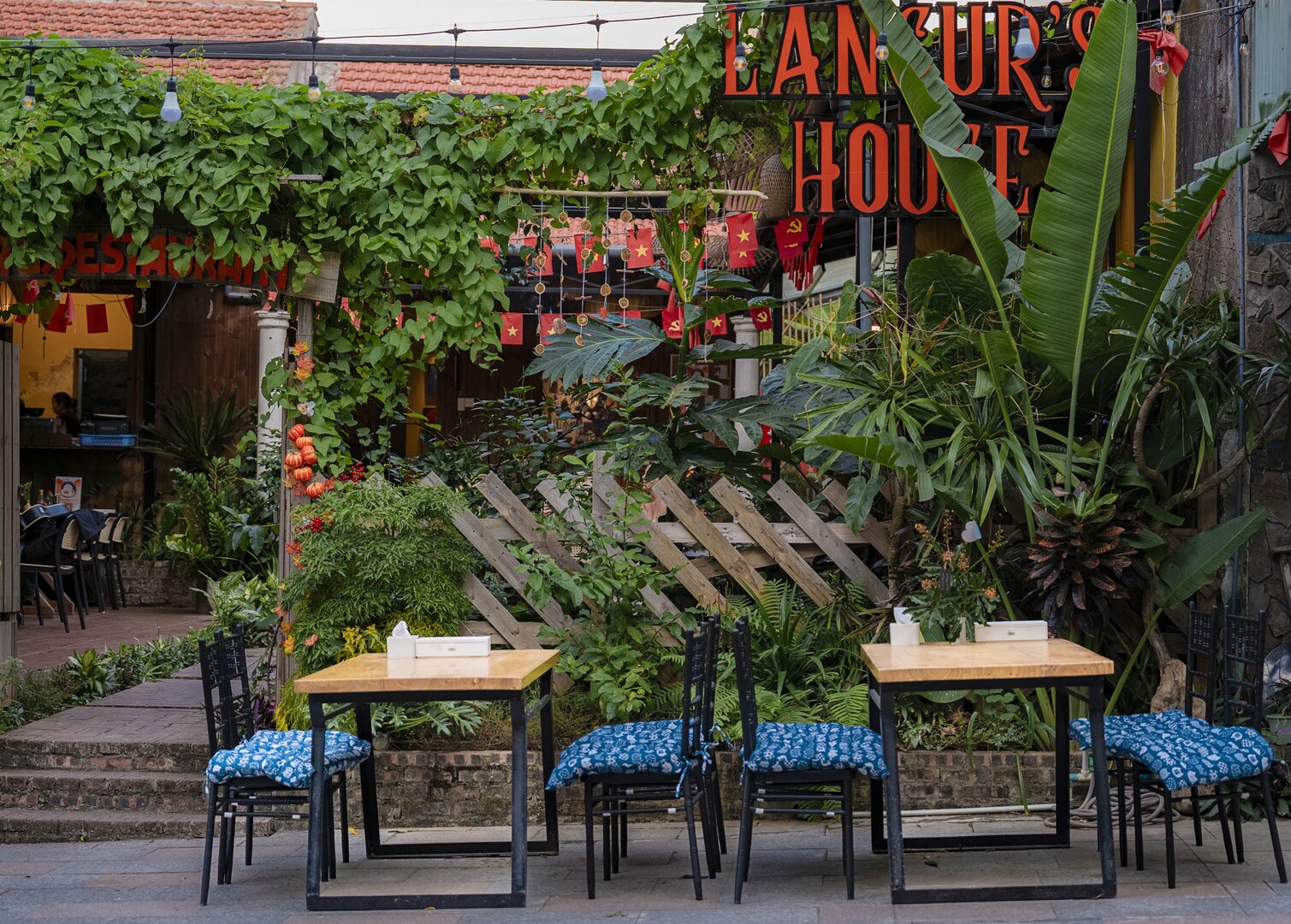
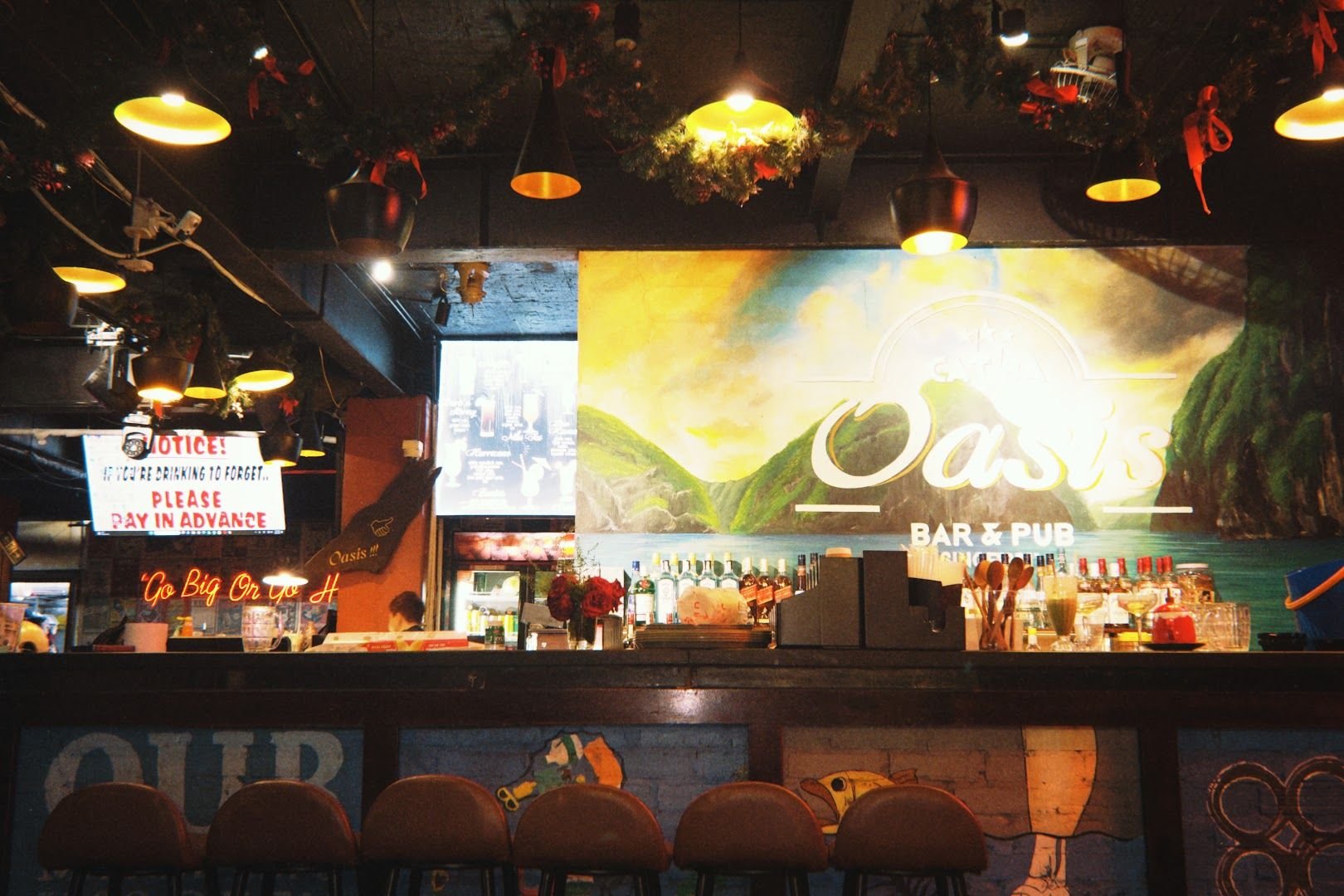
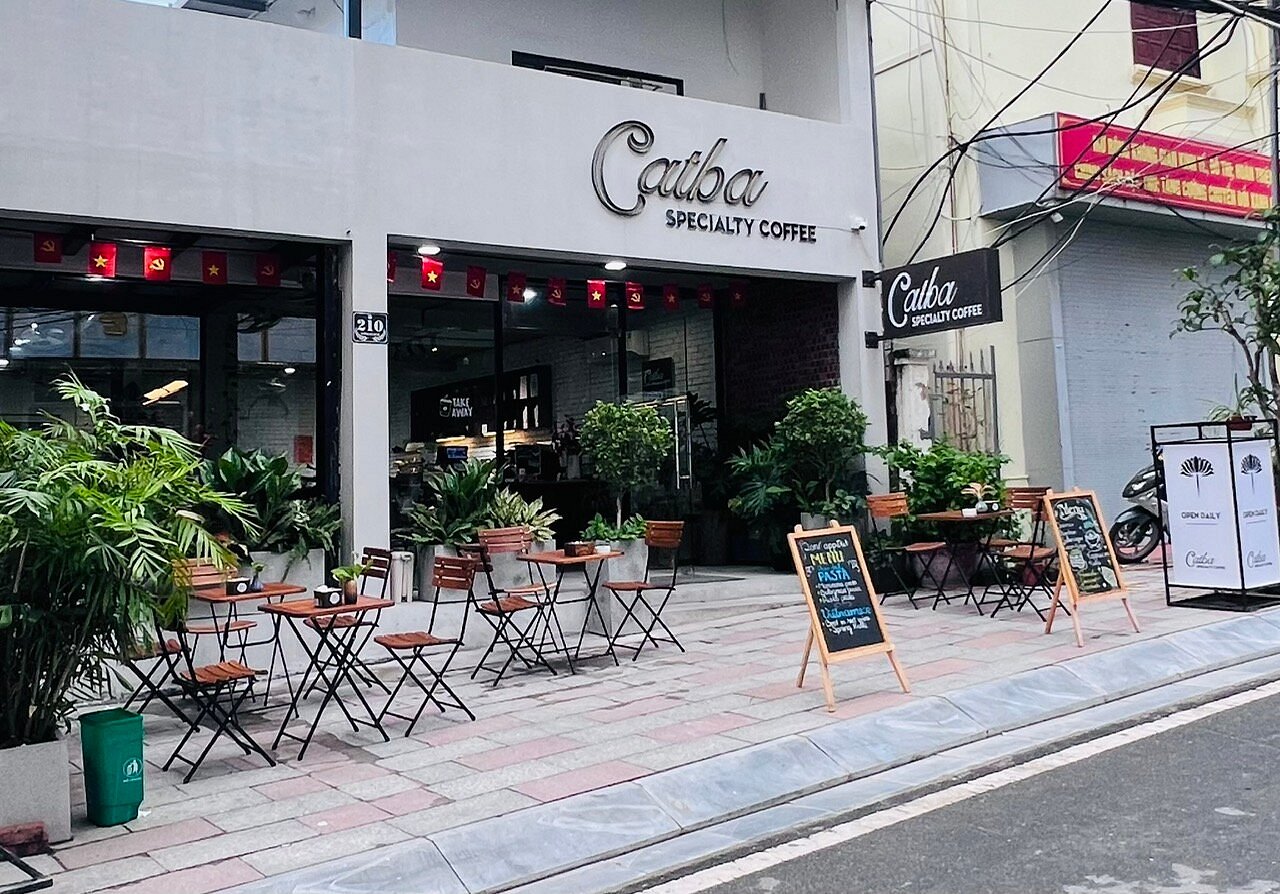
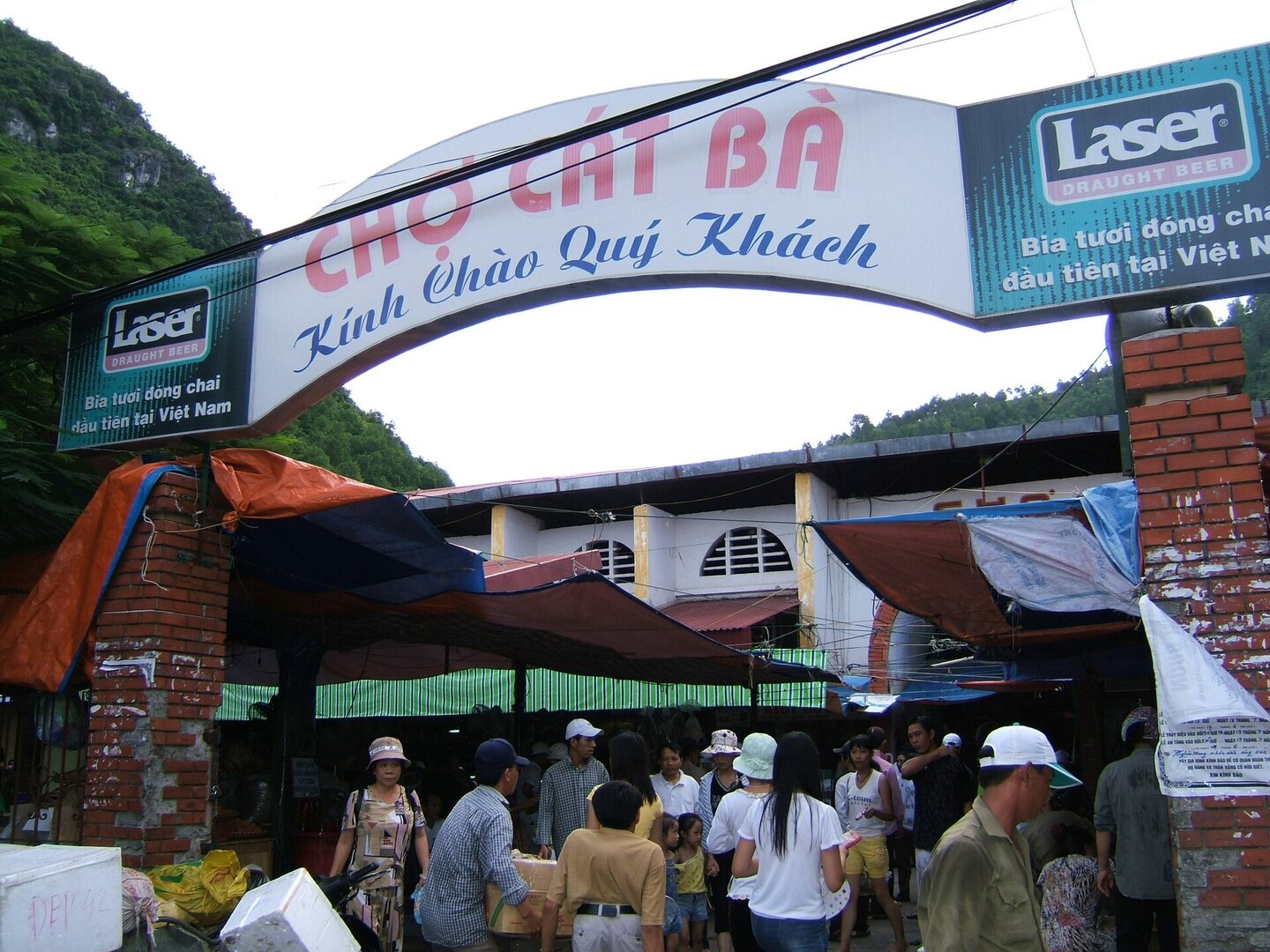
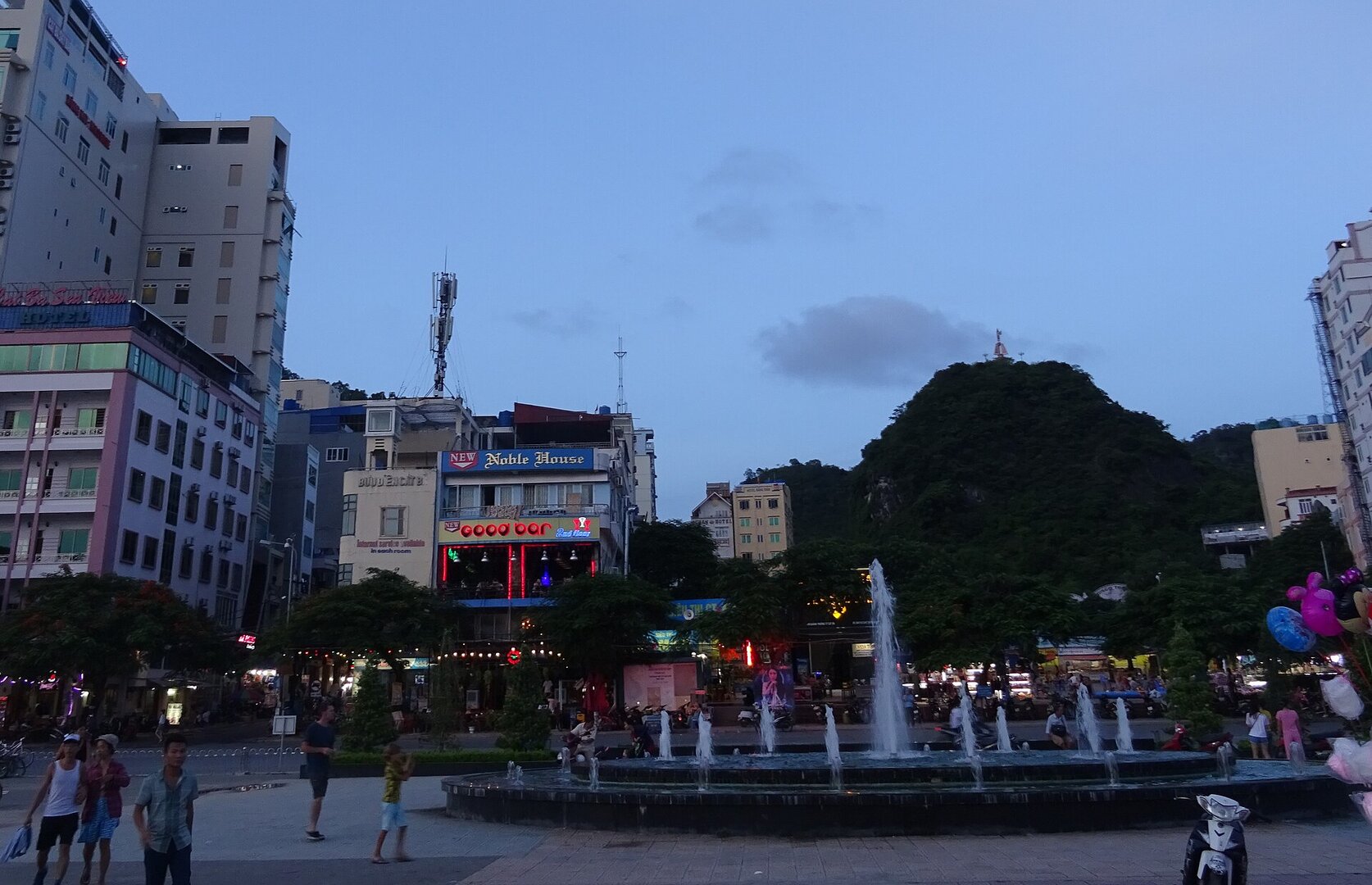
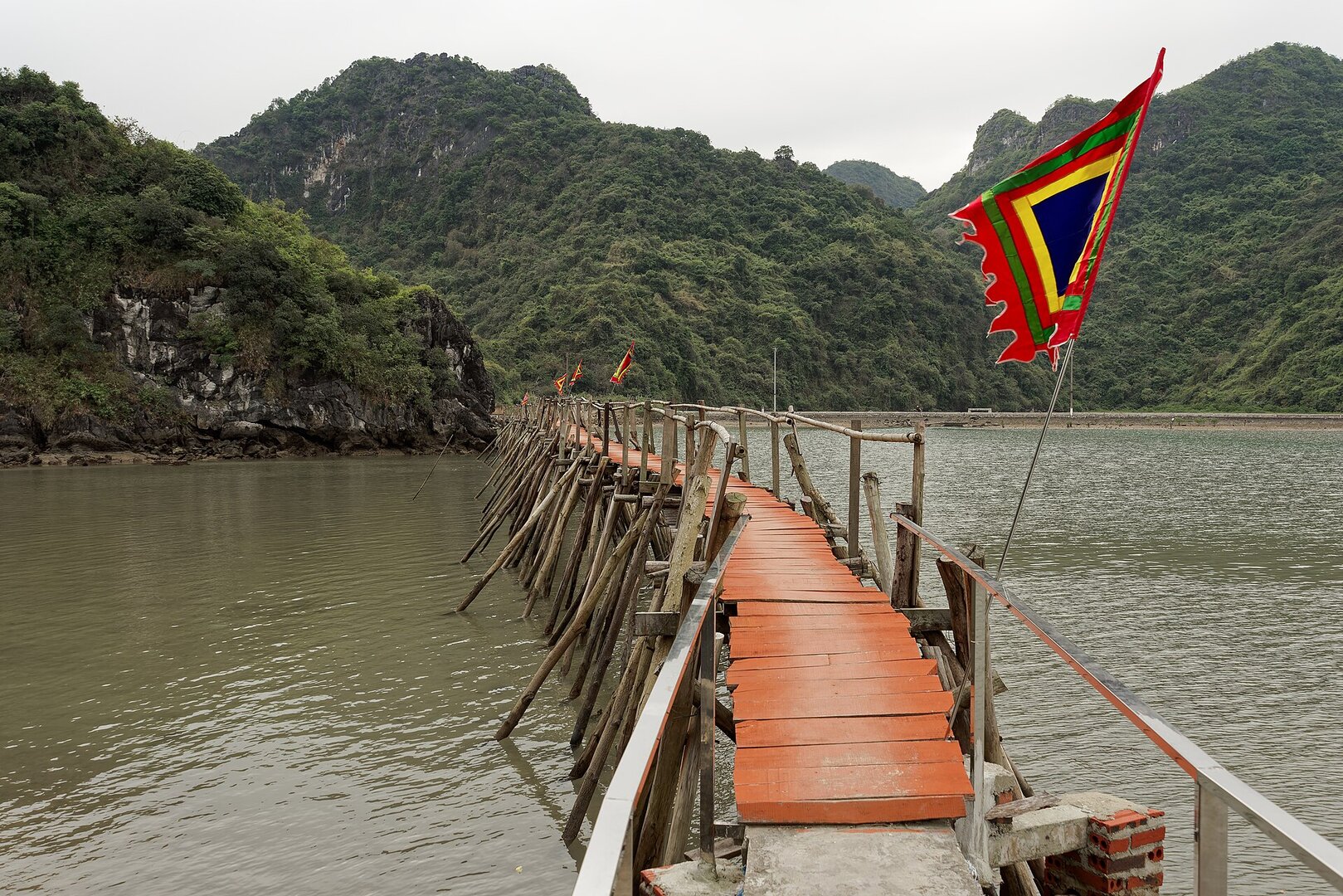
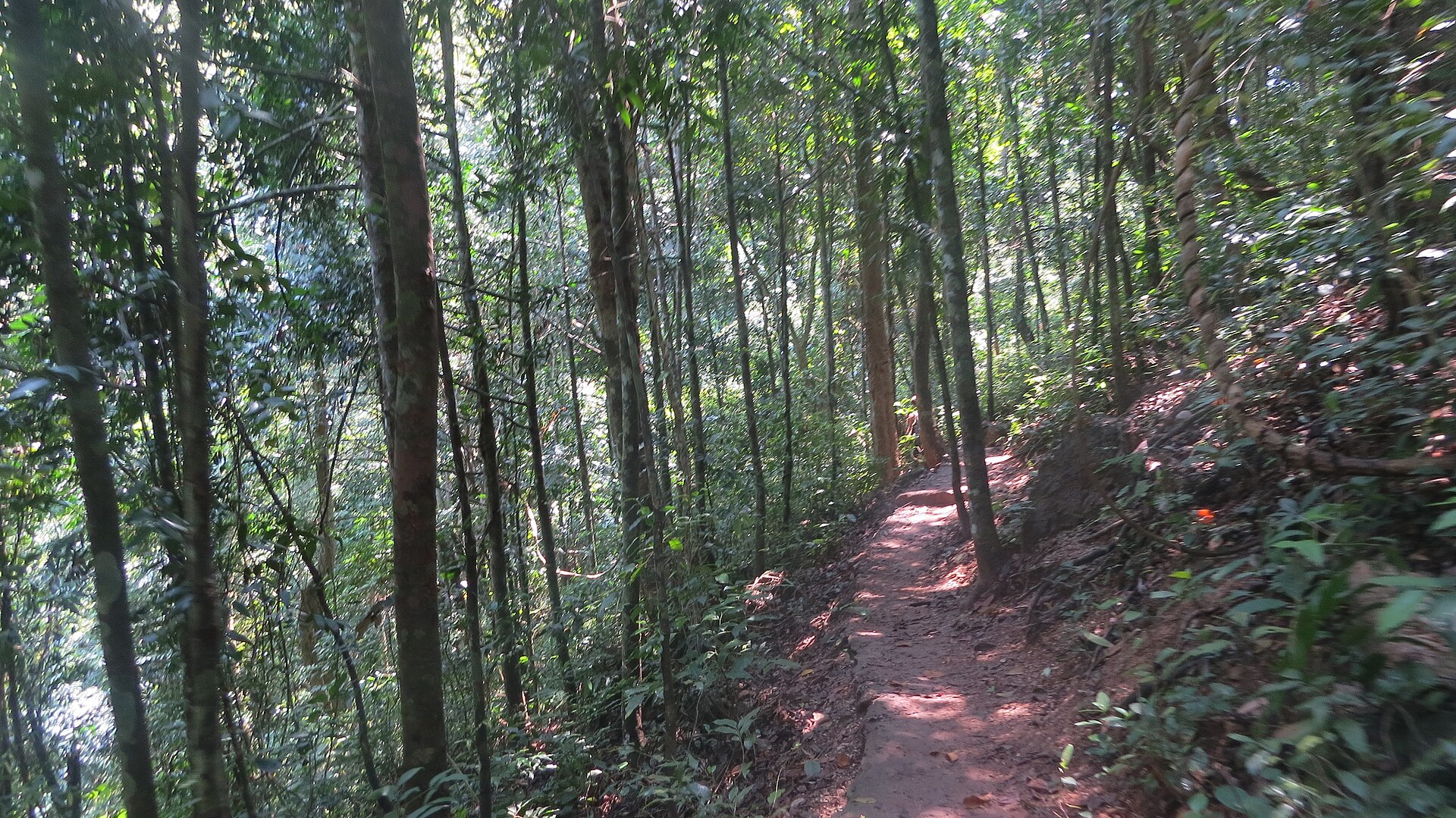
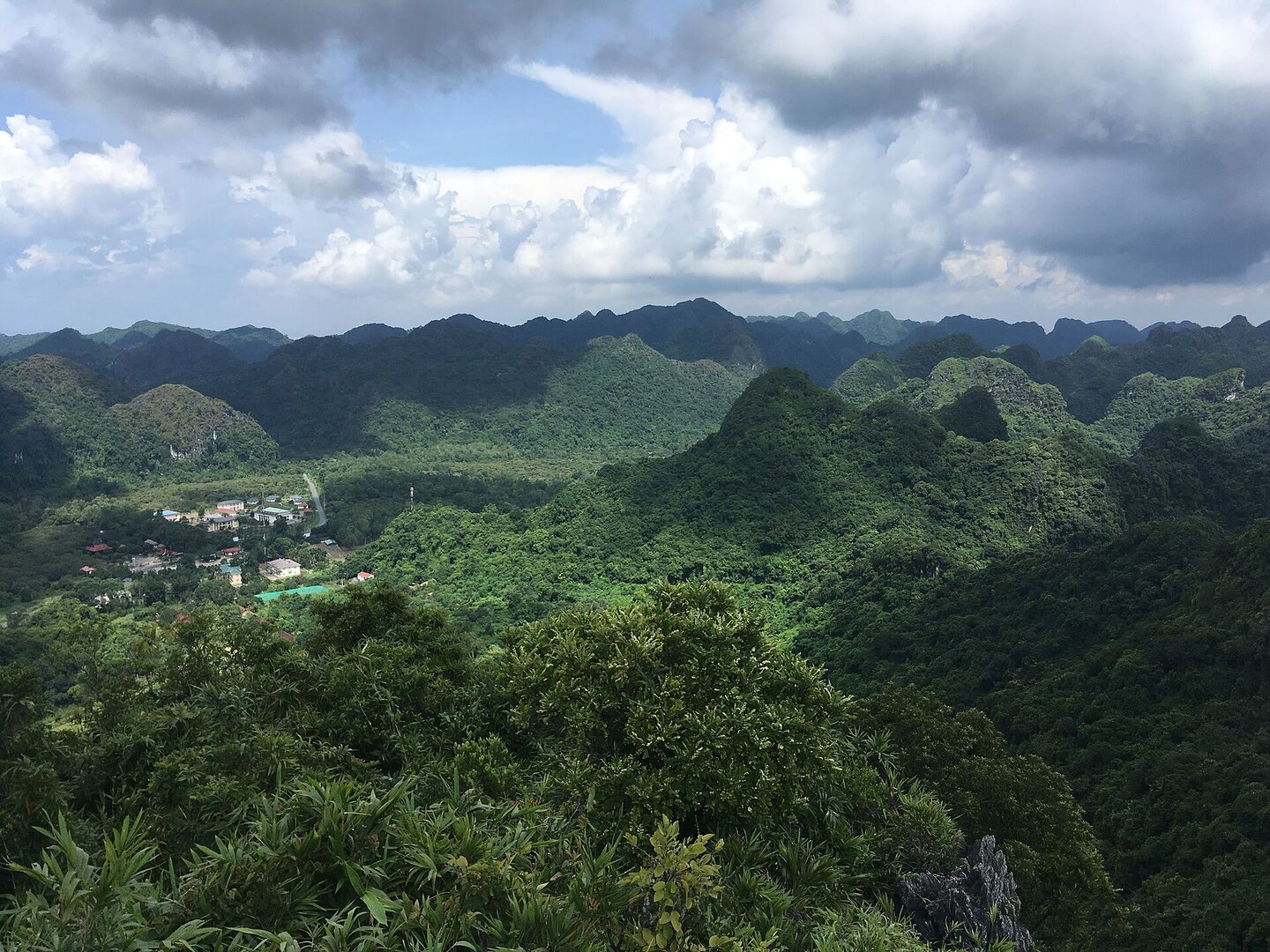
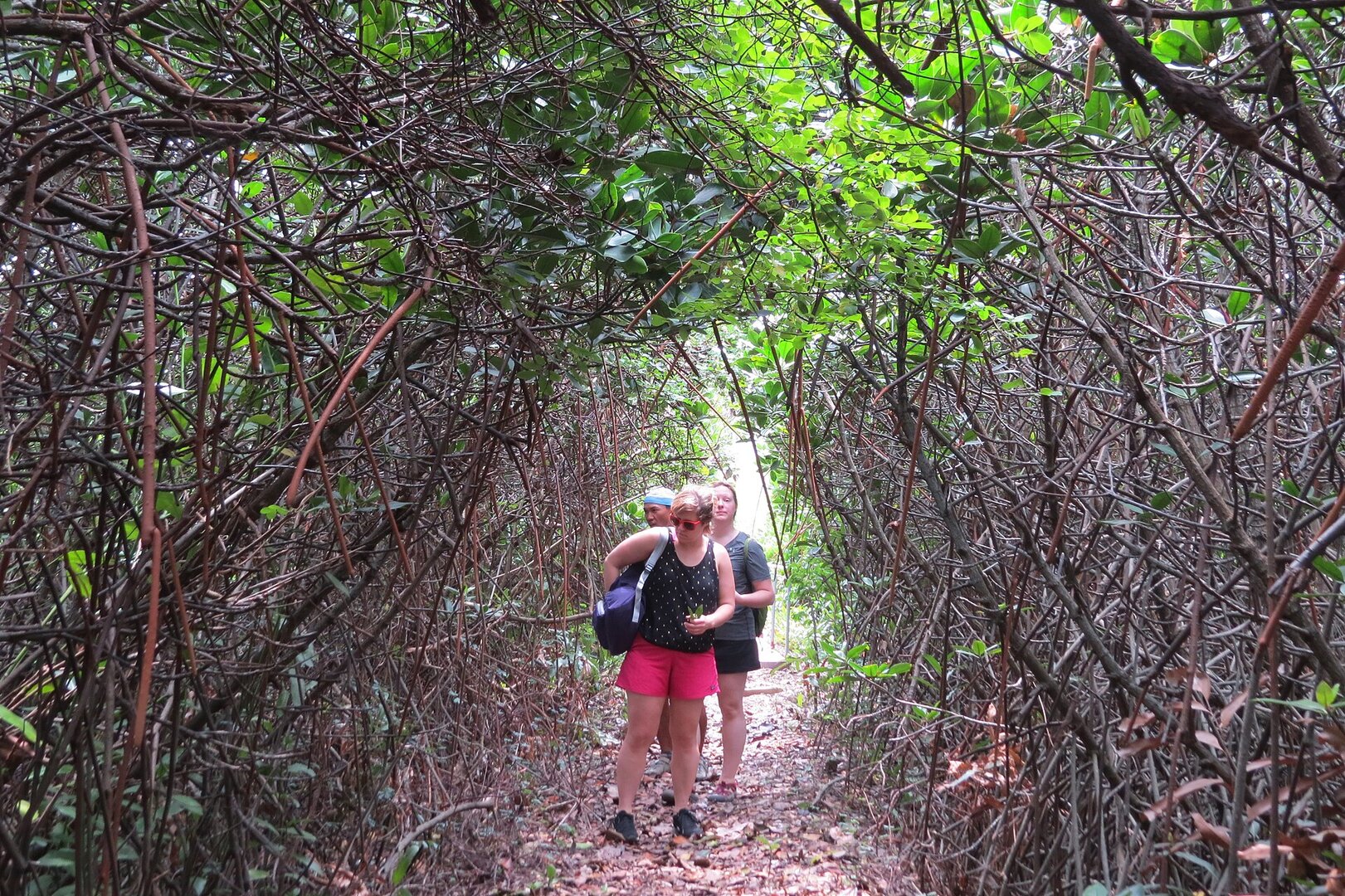
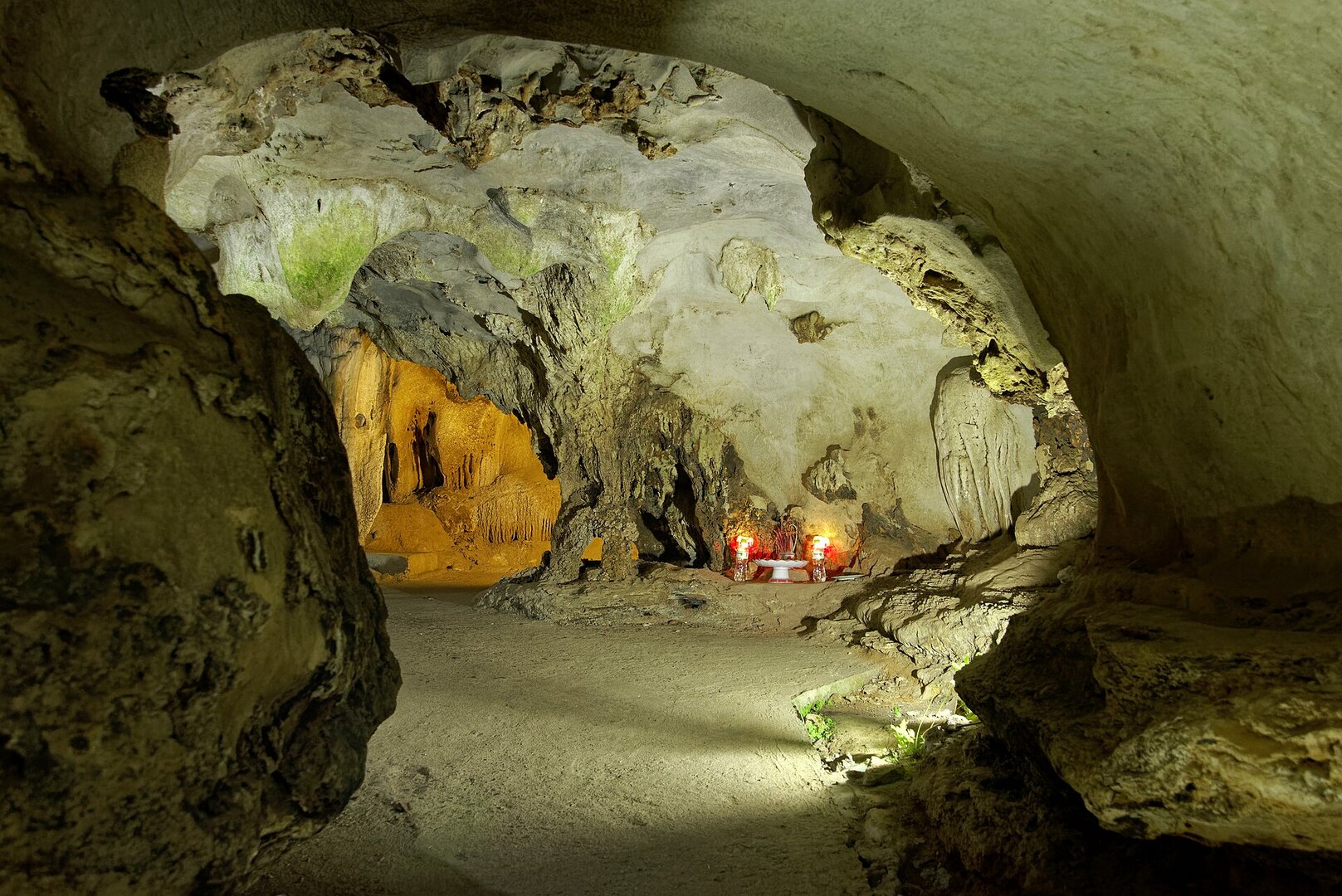
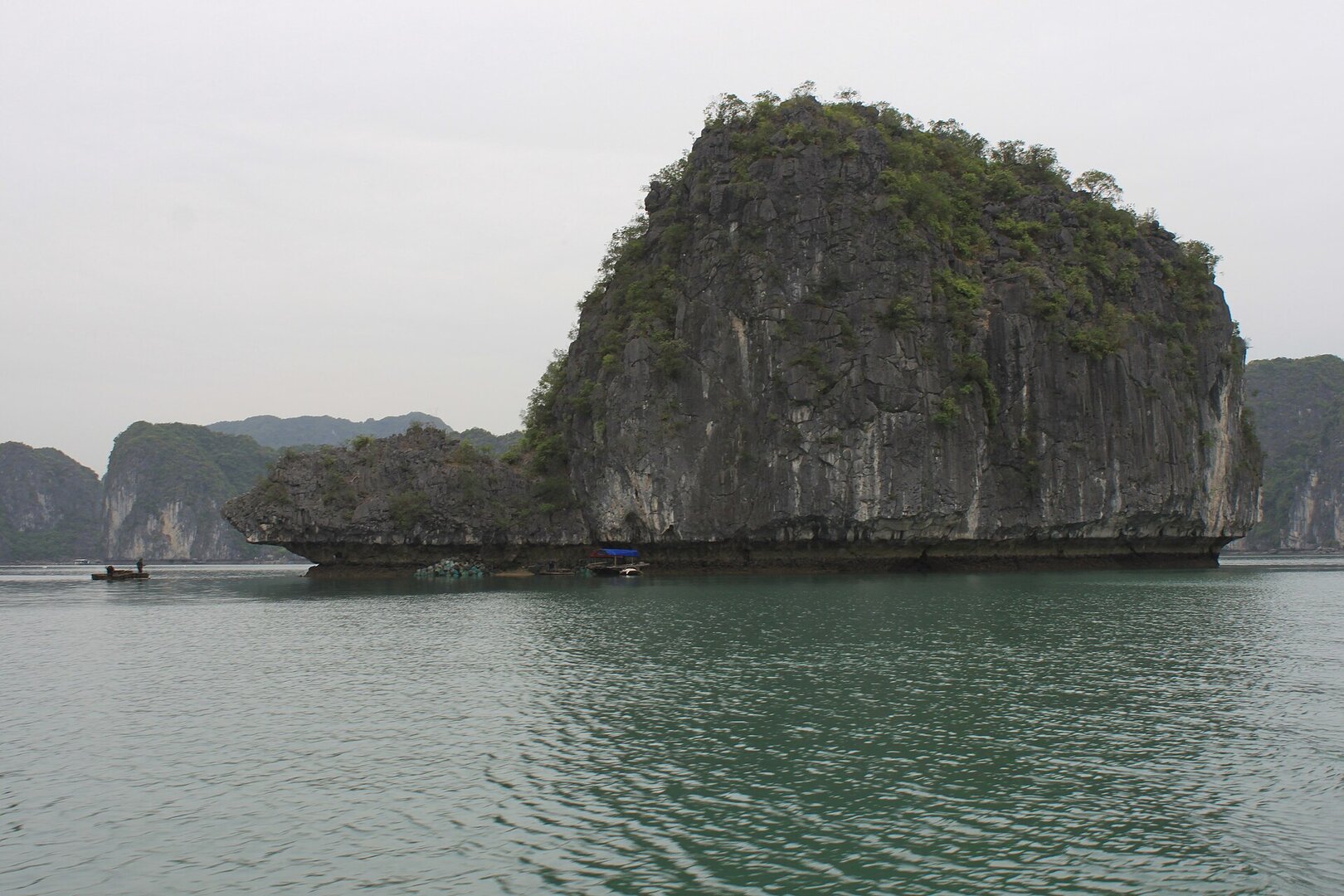
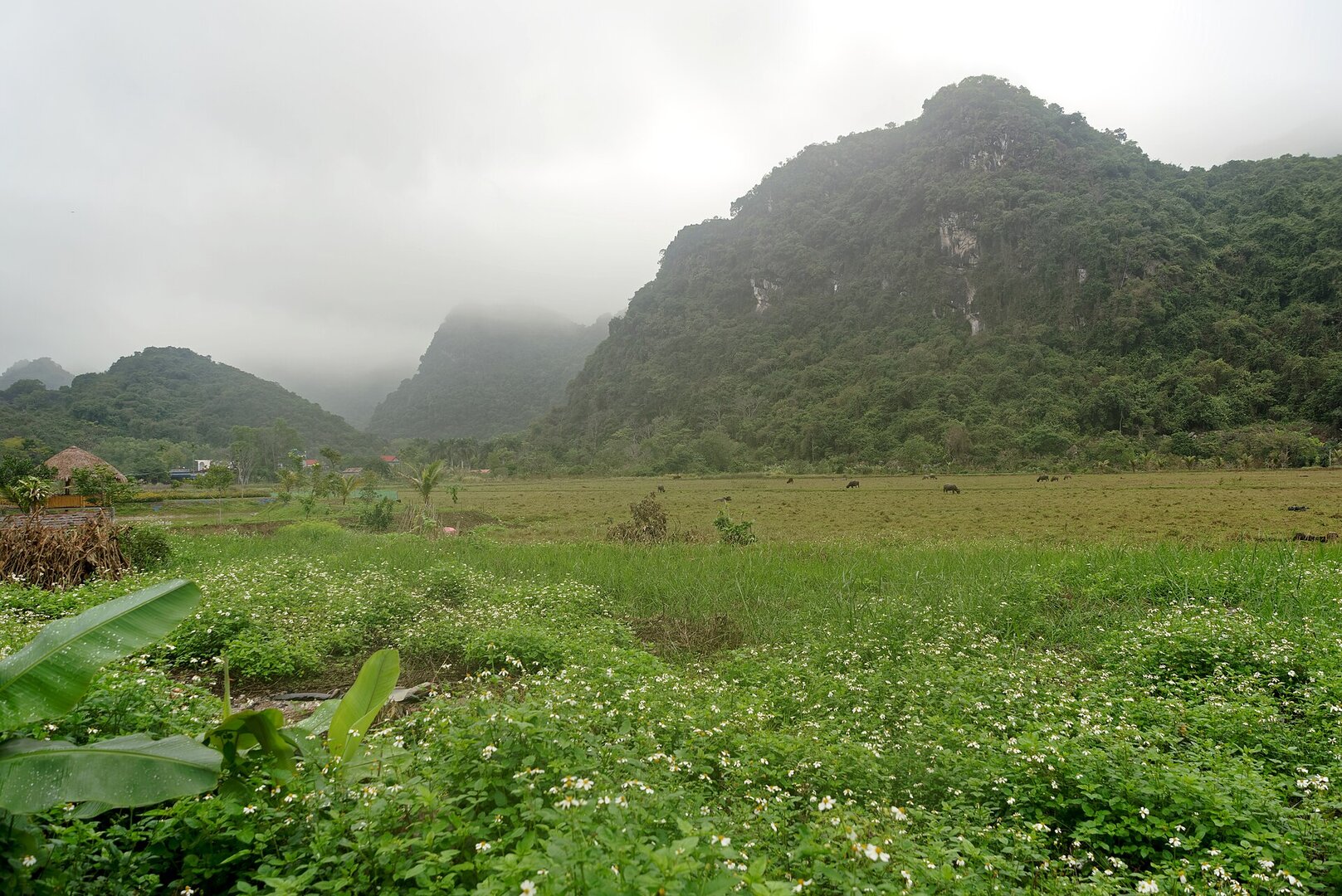
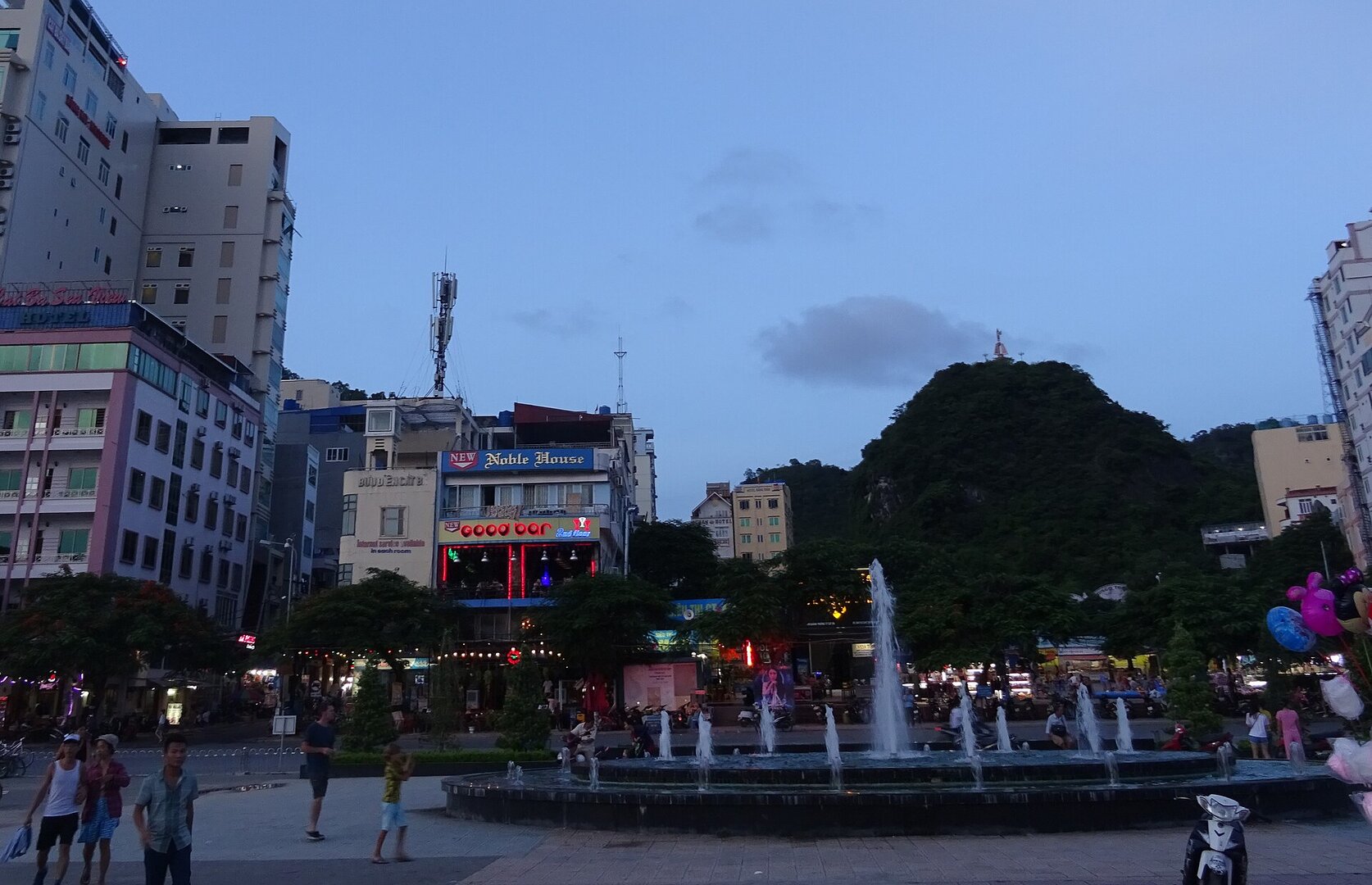
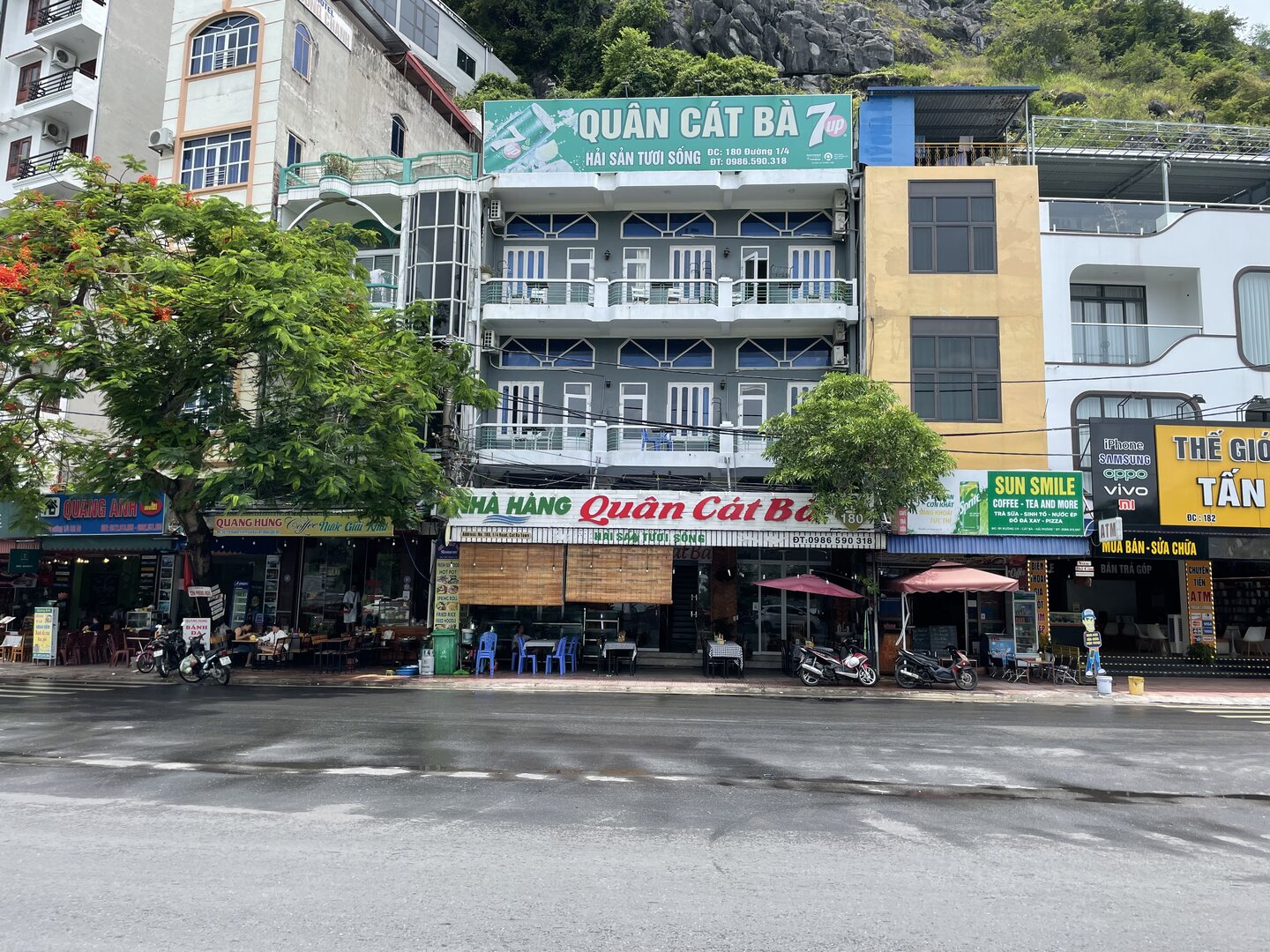
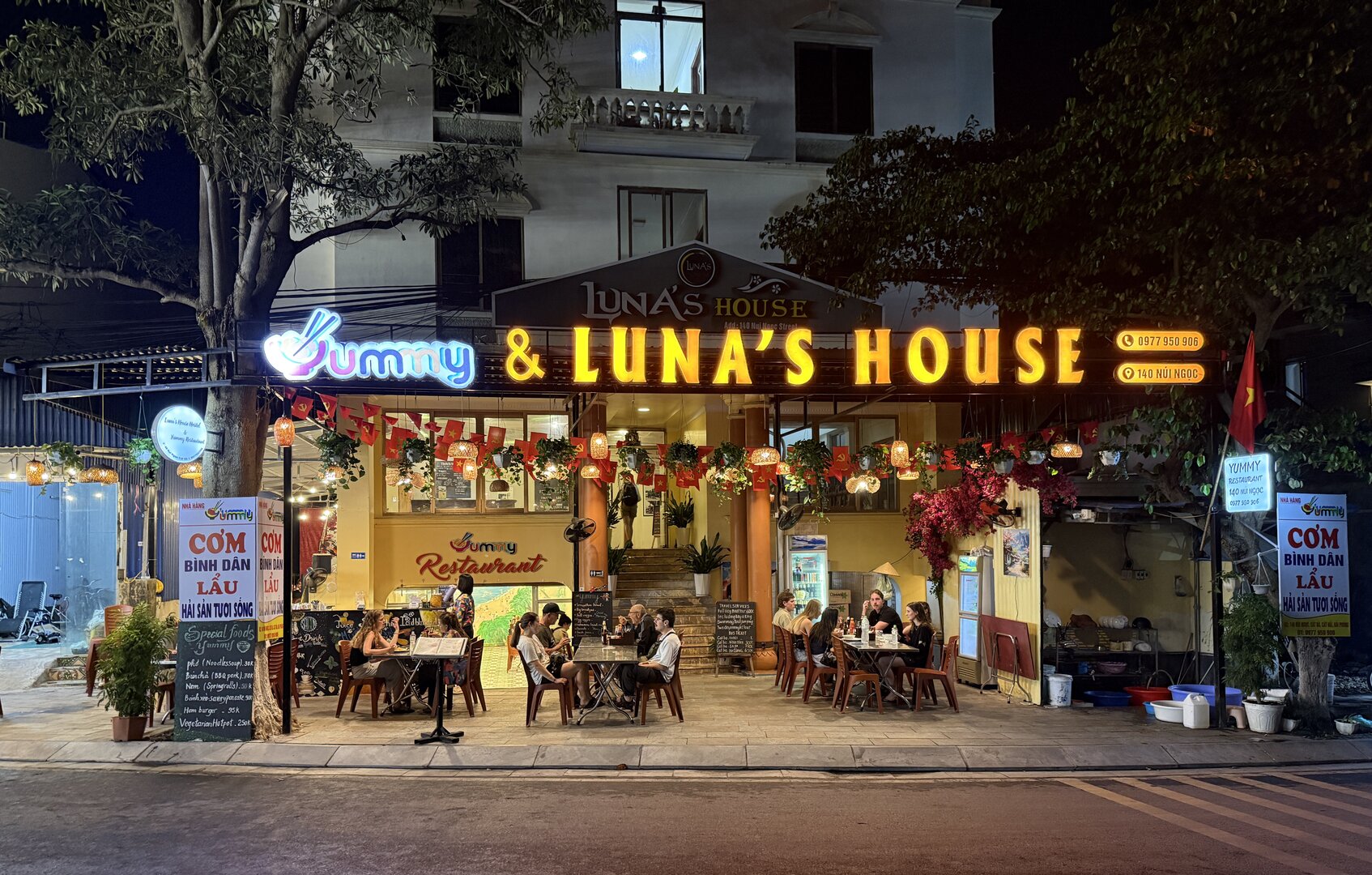
The gate's identity and location were cross-checked against the pin 'Cổng chào làng Việt Hải' on Google Maps, read in a browser on 13 Oct 2026. The coordinates in the record match that pin exactly; OpenStreetMap has no gate object at this point. The scenery on both sides of the road, the English text on the gate, the habit of stopping for photos and then cycling into the village, and the matter of tickets at the National Park gate all come from visitor reviews on Google Maps, that is, users' accounts rather than an official record. The fact that the village lies in the National Park's core zone and the farming and seafood-catching livelihoods come from Đại biểu Nhân dân. The stone-walled houses and the plain village gate come from Tuổi Trẻ (20 Feb 2026). How to enter the village and the founding of the village according to residents come from VnEconomy (Jul 2024). The administrative unit, Cát Hải special zone, comes from Báo Văn hoá, and the administrative history of 1957 from Vietnamese Wikipedia. Each excerpt was re-downloaded and matched word for word. Not put on the page: all figures on the number of households, area, forest distance, boat travel time and ticket price, because sources differ; the sentence 'thatched mud-walled houses over a hundred years old' and the feeling sentence 'a rare peacefulness' from a marketing blog; a photo of the gate on a tour-selling page, because it could not be determined to be this gate and the photo has no licence; the word 'sole road' in one review, because the map shows several roads. Photos come from Wikimedia Commons (Jakub Hałun, CC BY 4.0) and Flickr (mattjkelley, CC BY 2.0); none shows the gate itself.
Place data is compiled from many sources across the internet by a team of automated AI agents that collect, enrich, check, challenge, score, edit, review and verify it.










Ratings & comments
Anyone can read. Sign in to rate, comment and like.