Cát Bà, Hải Phòng · Religious site
Quan Doi Shrine
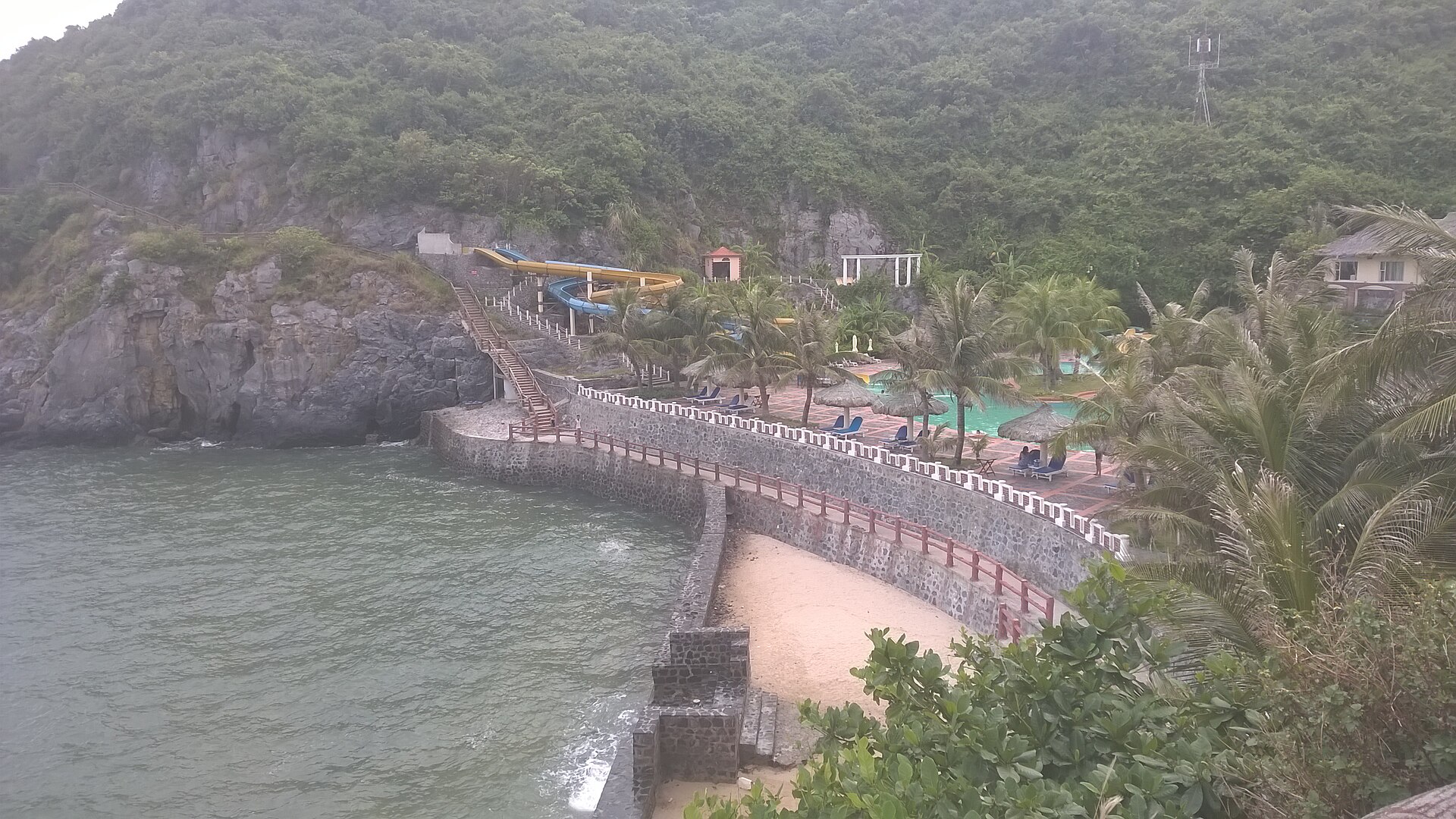
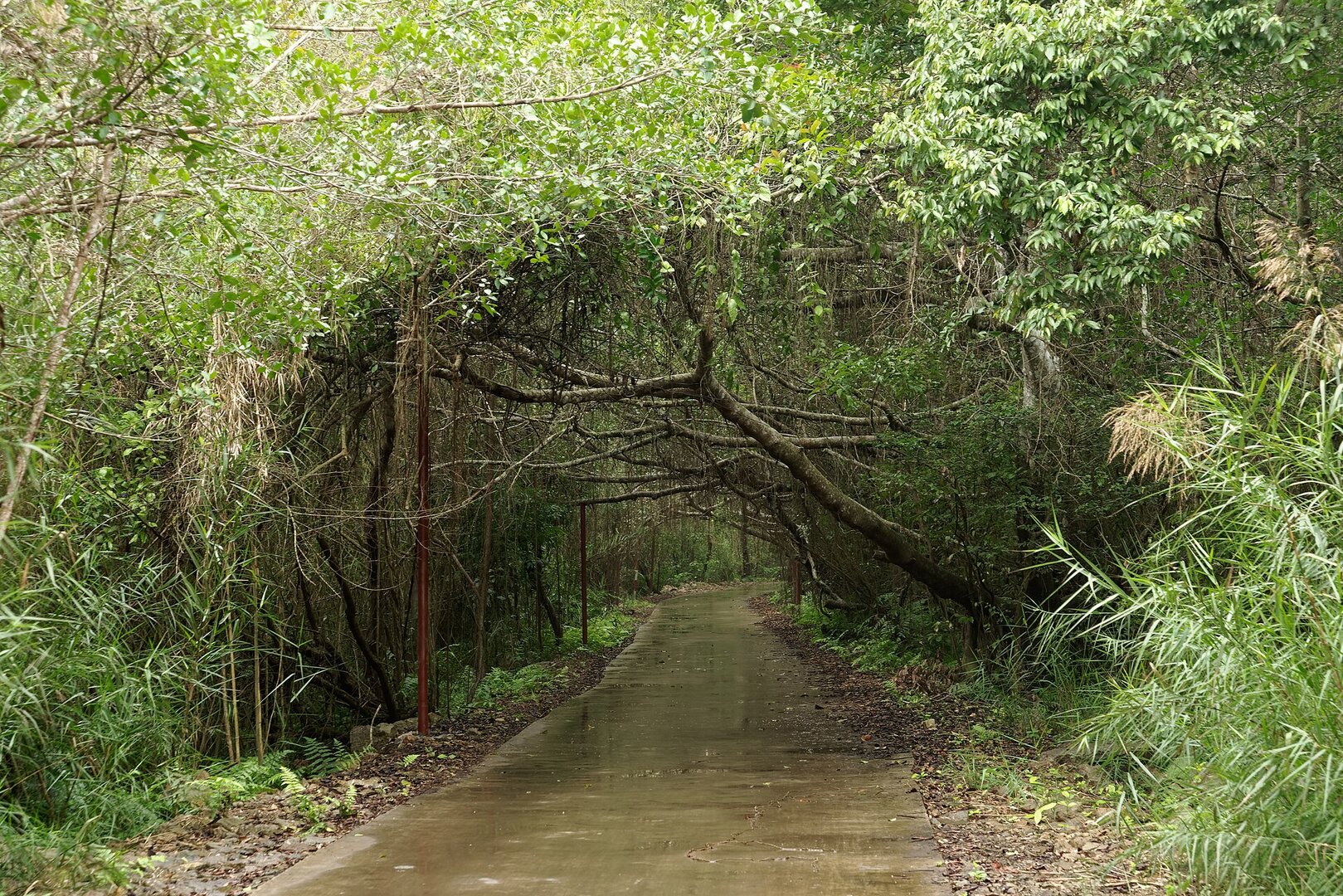
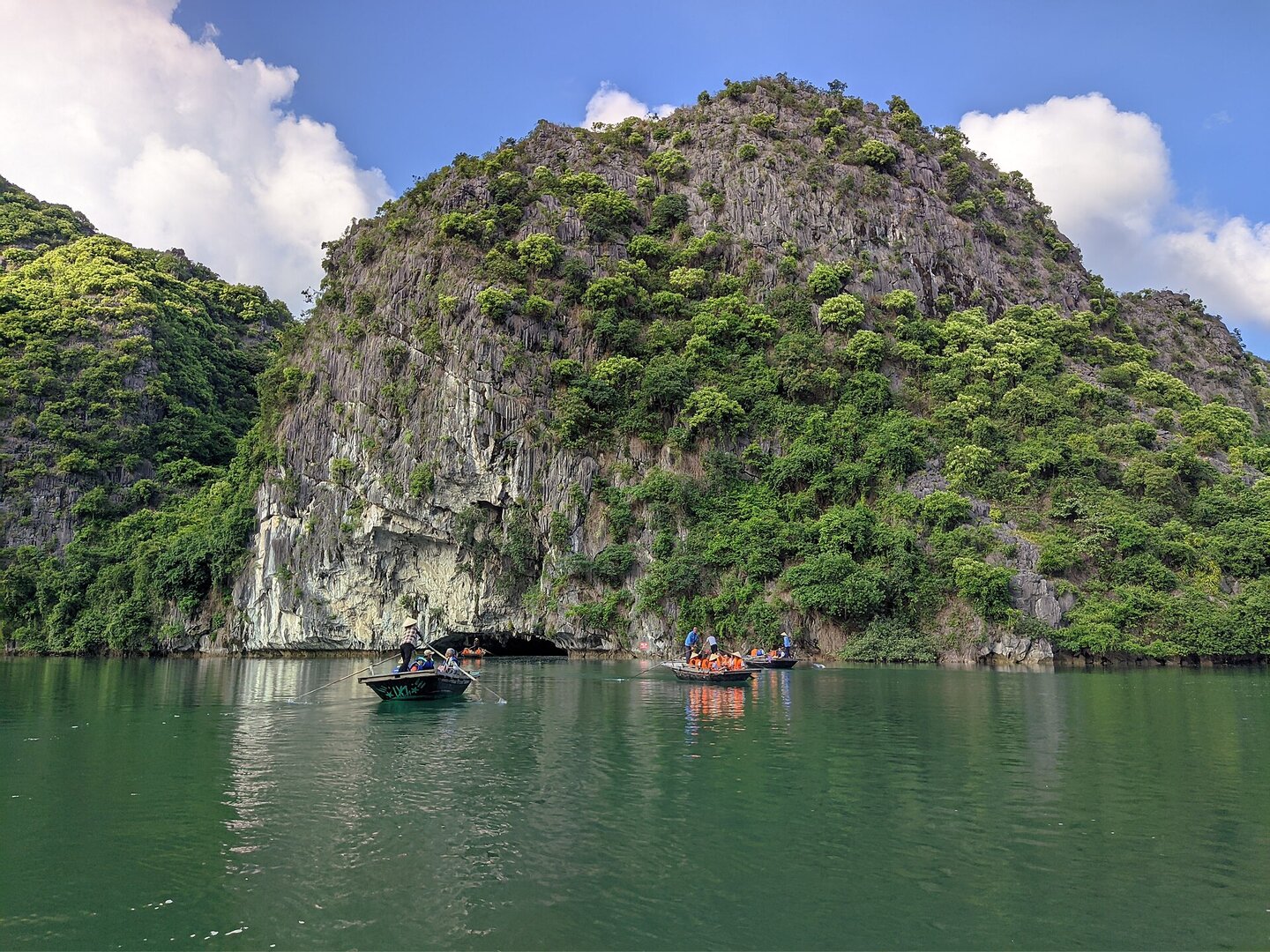
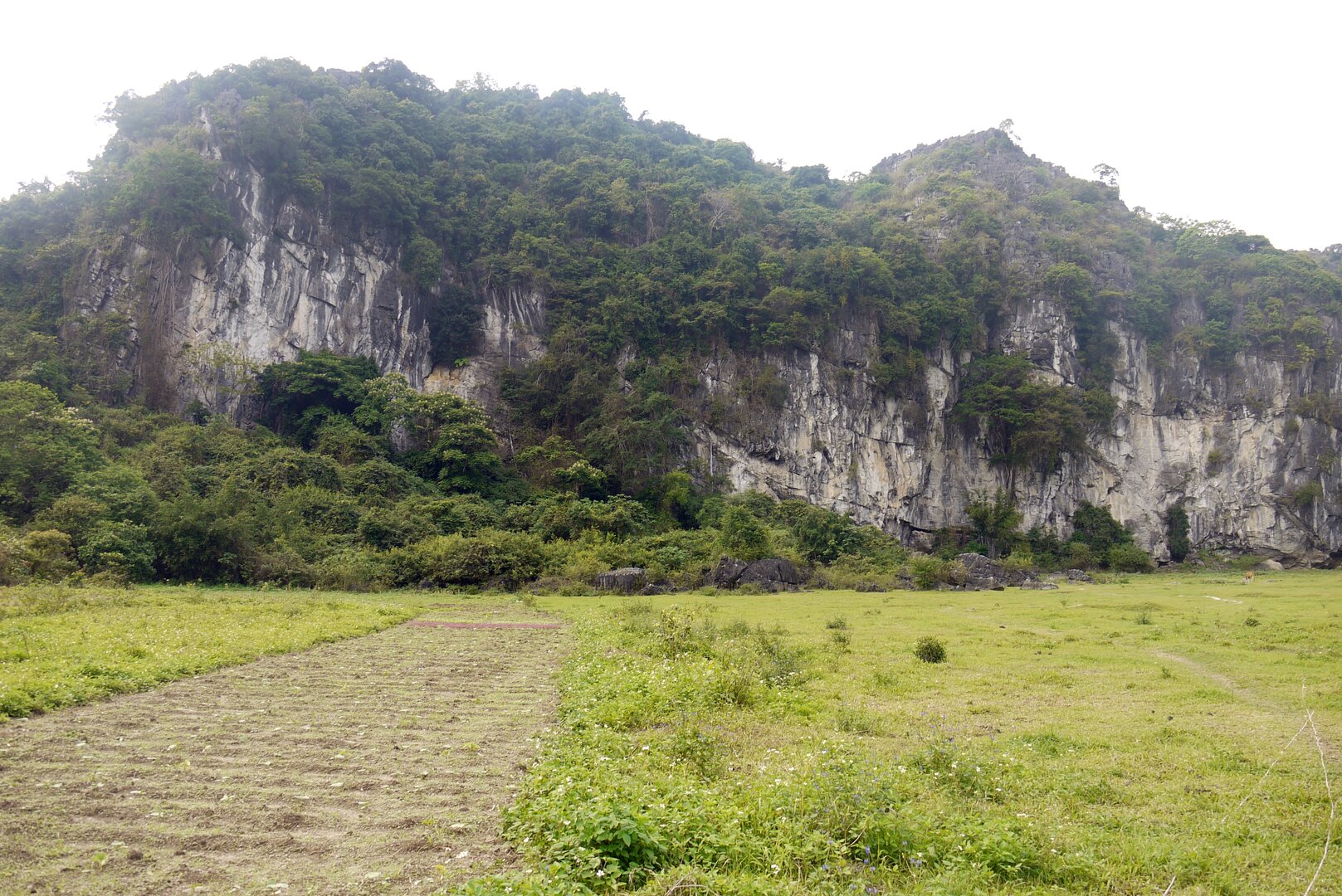
Picture walking through the gate of a new urban development under construction on Cát Bà Island, and that road leading you to a temple for five generals who, as local tellings have it, leapt from a rocky outcrop into the sea rather than surrender.
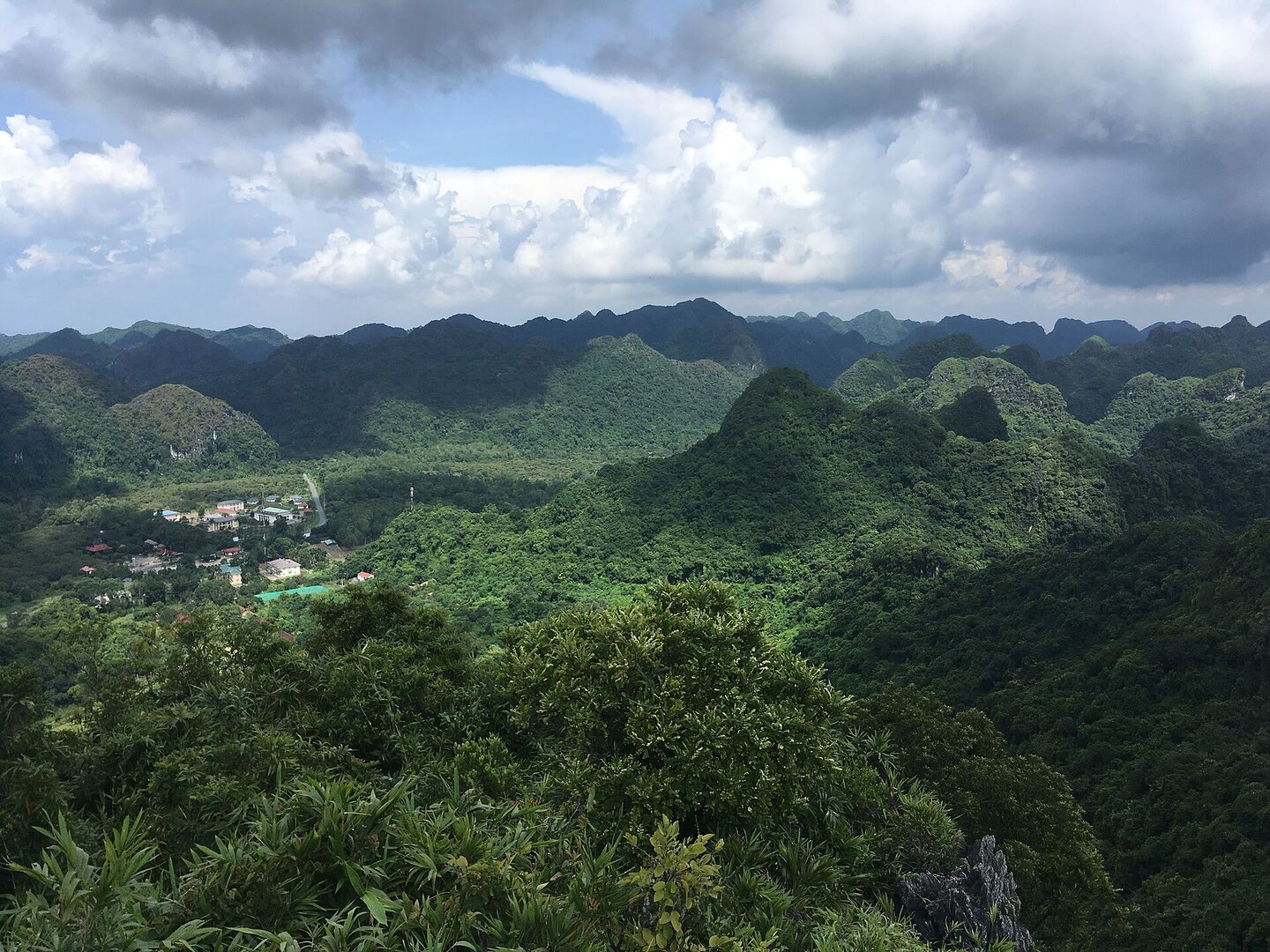
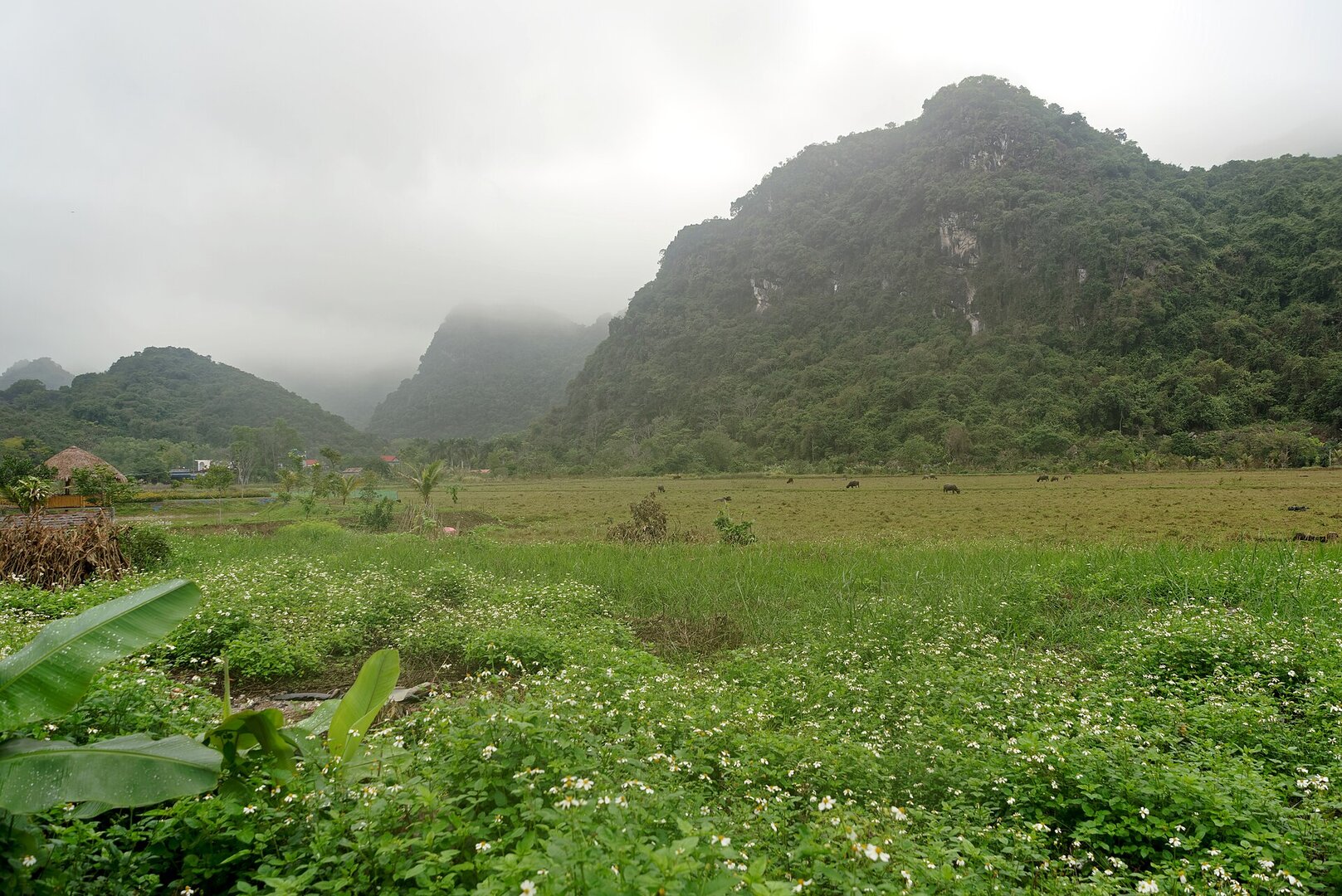
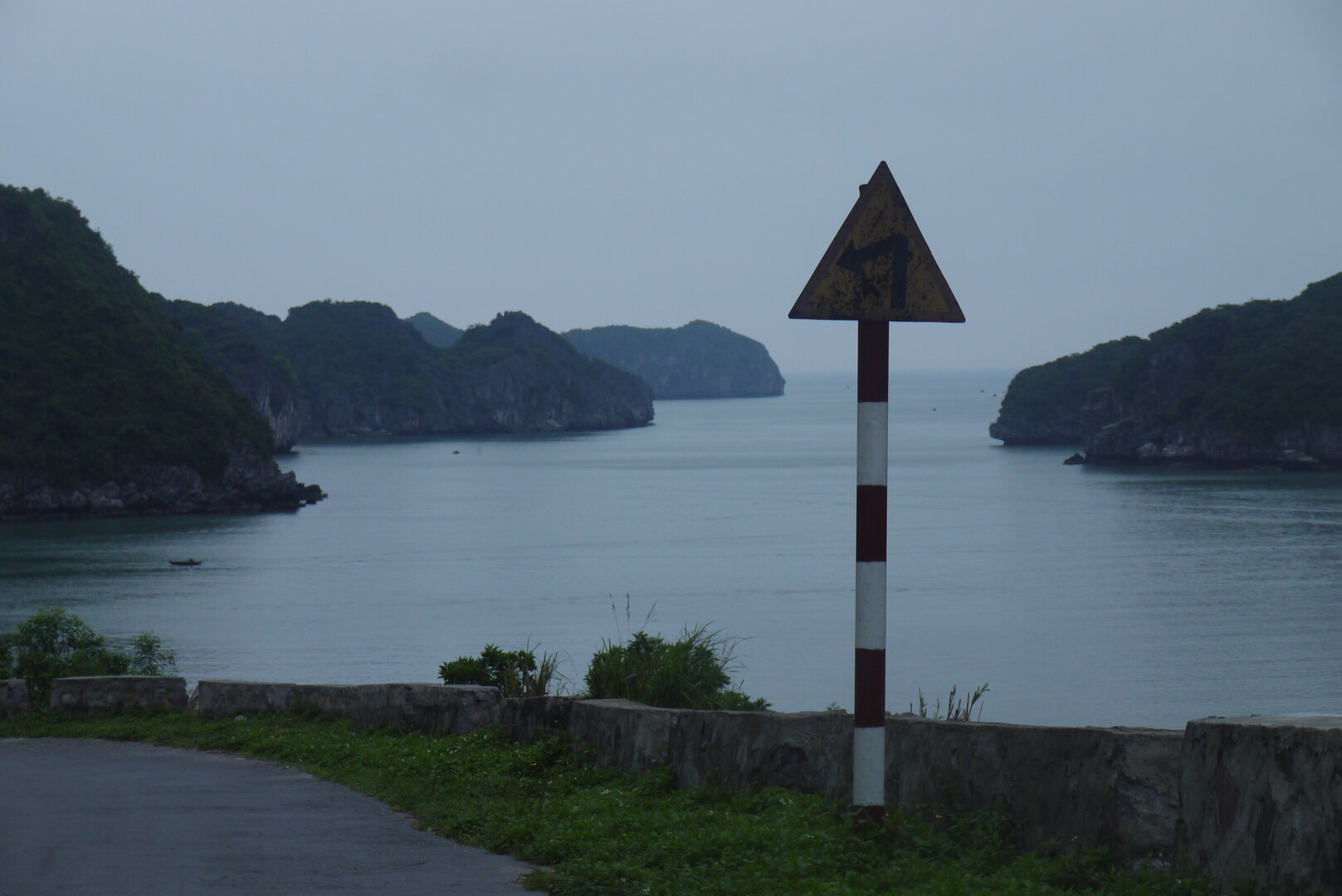
Picture yourself on a coastal headland of Cát Bà Island, in Hải Phòng. The way in passes through the gate of a new urban development still being built. You may have heard the name Cát Bà many times. Far fewer people know the name of the place at the end of this road: Miếu Quan Đội (a miếu is a Vietnamese shrine).
Past a new estate's gate, a vow never to surrender
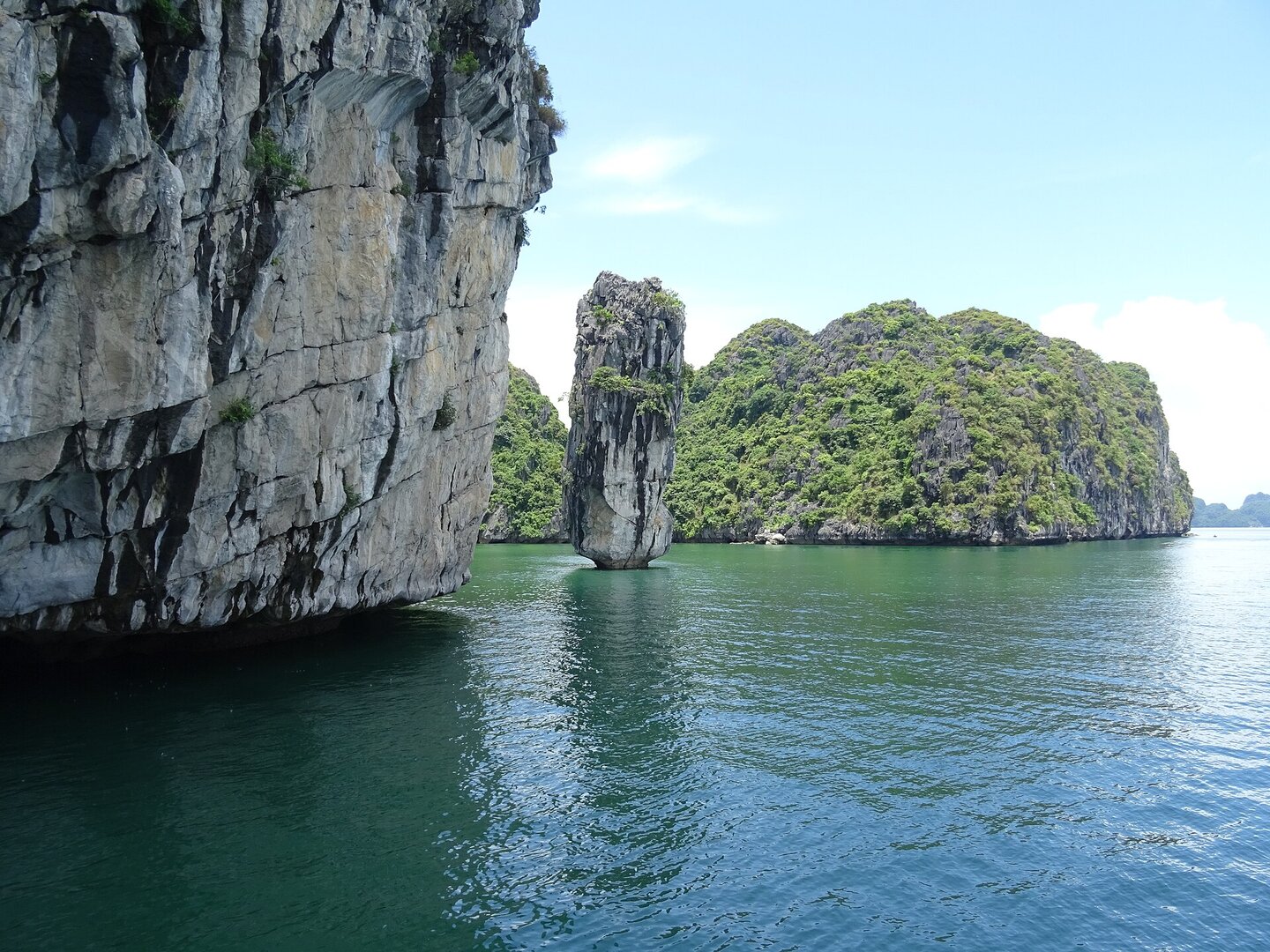
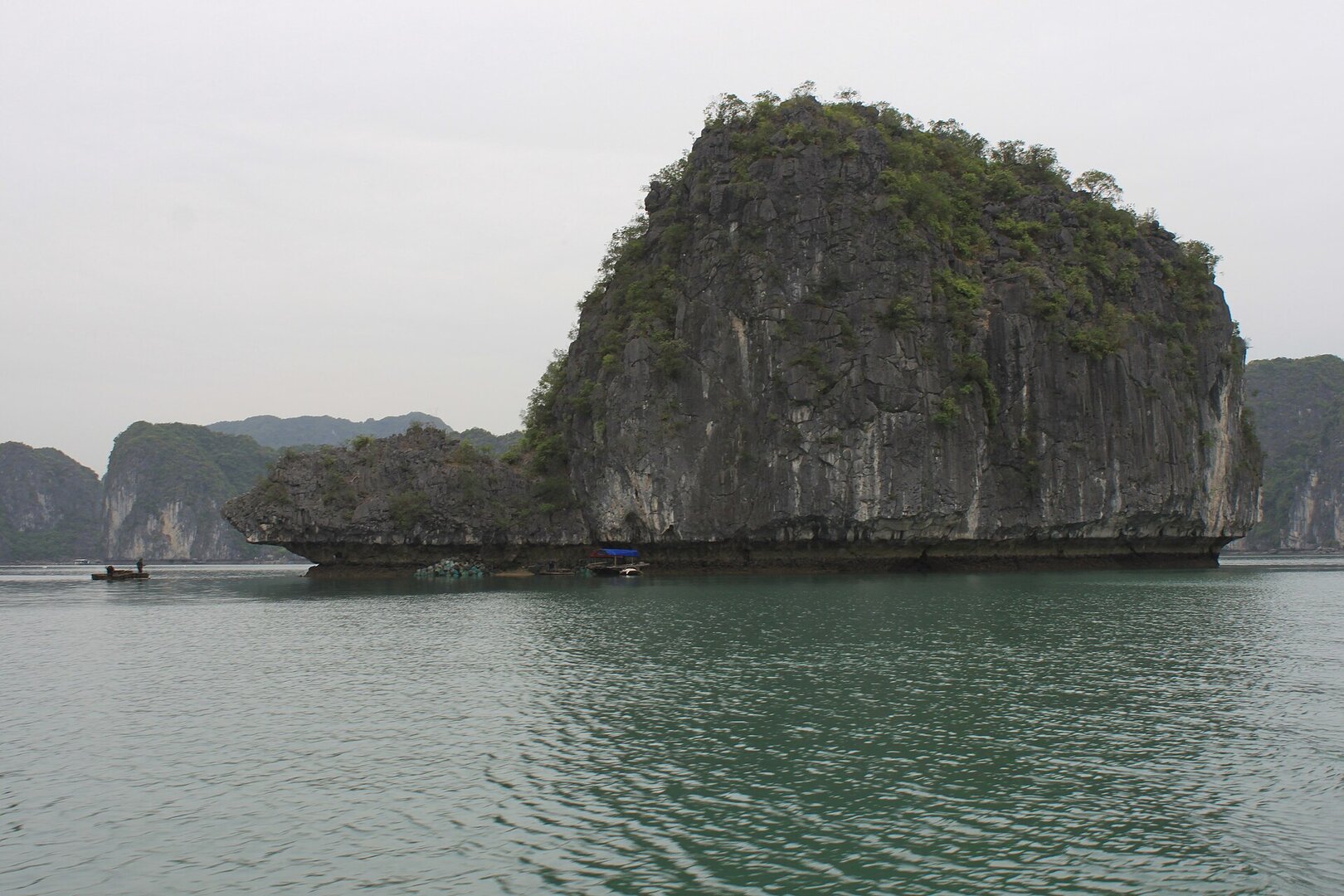
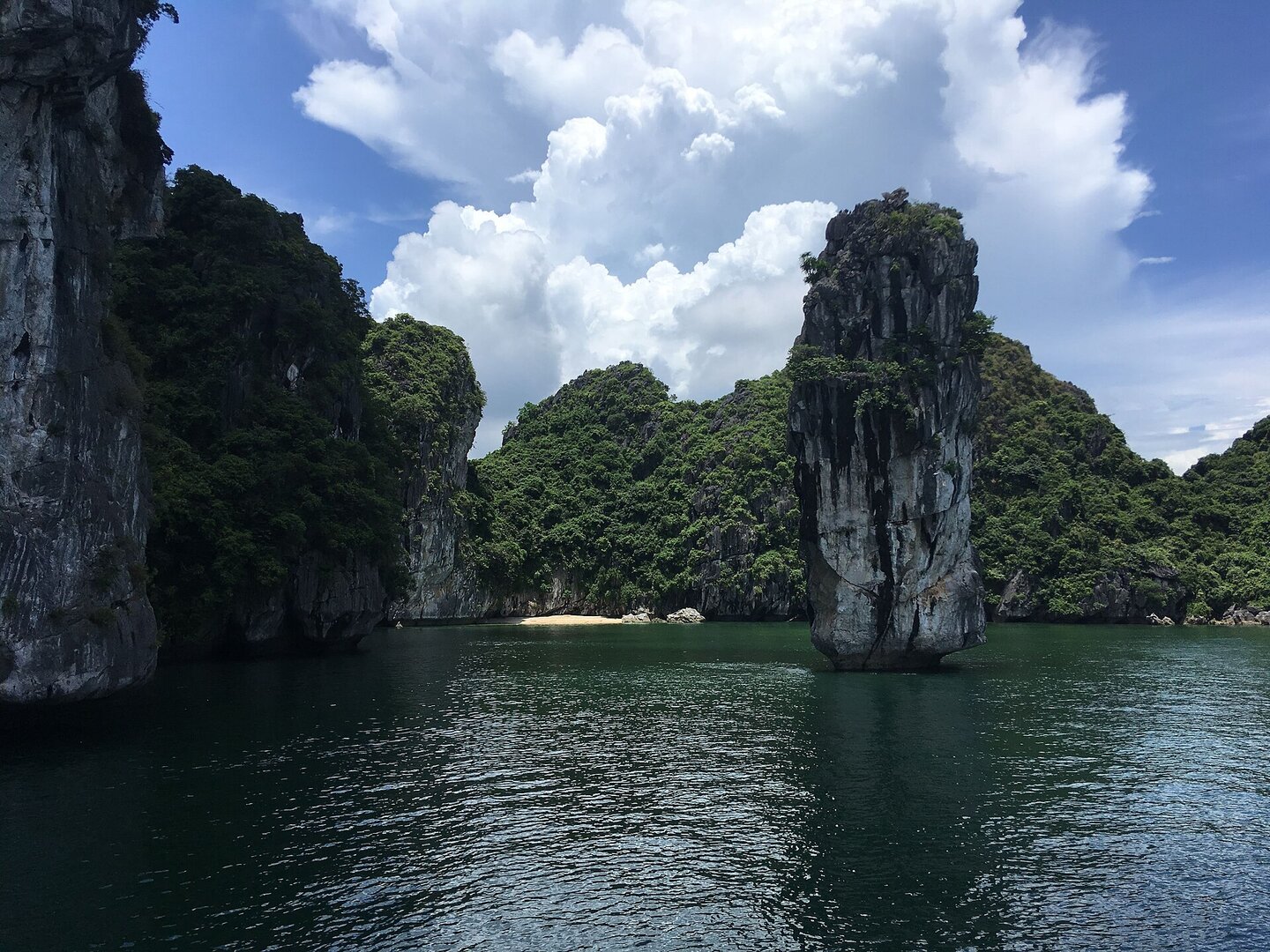
Its story begins in the reign of Emperor Tự Đức of the Nguyễn dynasty, Vietnam's last royal house. The uprising of Tạ Văn Phụng used the waters around Đồ Sơn and Cát Bà as a base, and the Nguyễn court sent troops against it again and again. According to local tellings, the shrine honours five of the court's generals. Rebel forces drove them up a mountain. They swore not to surrender, then threw themselves from a rocky outcrop into the sea.
Their bodies washed up on a sandy shore. The people of Cát Bà buried them and built a shrine. It is said that the Nguyễn court later honoured them with posthumous titles, and that five graves still lie here. The old shrine has since been rebuilt as an imposing temple with a wide courtyard.
Standing here, you stand where two layers of Cát Bà's time meet: on one side, the gate of an unfinished development; on the other, five graves said to remain, tied to a vow from the reign of Tự Đức. Which of the two do you think people will still be telling stories about the longest?
Enough to decide whether to go
- What it is
- Miếu Quan Đội, now rebuilt as a temple; according to local tellings, it honours five Nguyễn-dynasty generals
- Where
- A coastal headland on Cát Bà Island, Hải Phòng
- The story behind it
- The uprising of Tạ Văn Phụng, in the reign of Emperor Tự Đức
- What to see
- The temple and its wide courtyard, where five graves are said to remain
- Getting in
- Through the gate of a new urban development under construction
From someone who has been
The way in passes through a development still under construction, so don't assume you can simply walk straight in. This is a place for people who want to hear an old island story rather than find an ancient building: the original shrine has been rebuilt as a temple.
Vibe
No vibe data for this place yet.
Tags
Source
The name, the pin location and the Plus code come from the Google Maps listing 'Miếu Quan đội'. The judge opened it in a browser and checked it against OpenStreetMap: the point lies in Cát Hải special zone, Hải Phòng. The condition of the access road comes from user reviews on that same listing, from around Oct 2025 to May 2026; these reviews contradict each other. The legend of the five generals, the five tombs, the posthumous conferral by Emperor Tự Đức and the rebuilding of the shrine into a temple are all found in a single source: the Cát Bà Island Travel page (dulichdaocatba.com, Vietsense). The page has no date and the text shows signs of having been altered by a machine, so every detail from it is retold as a story, not as historical record. The background of the uprising of Tạ Văn Phụng comes from Vietnamese Wikipedia (citing Quốc triều sử toát yếu). That article does not mention the battle or the shrine. The extent of the Cát Bà Amatina urban area, from Cát Bà town to the former Trân Châu commune, comes from VietnamFinance (4 May 2018). Rejected: calling the opponents 'foreign invaders' (Tạ Văn Phụng was a Vietnamese rebel), the year 1863, the place name 'cửa cống Duông' (no independent source has it), the news that 'the ranking dossier is being completed' (an undated page, with unclear outcome), and Google Maps's category label 'Pagoda' (this is a shrine to generals, not a Buddhist pagoda). Cross-checked on 10 Oct 2026.
Place data is compiled from many sources across the internet by a team of automated AI agents that collect, enrich, check, challenge, score, edit, review and verify it.











Ratings & comments
Anyone can read. Sign in to rate, comment and like.