Hiền Hào, Cát Bà, Hải Phòng · Religious site
Hien Hao Mother Goddess Temple
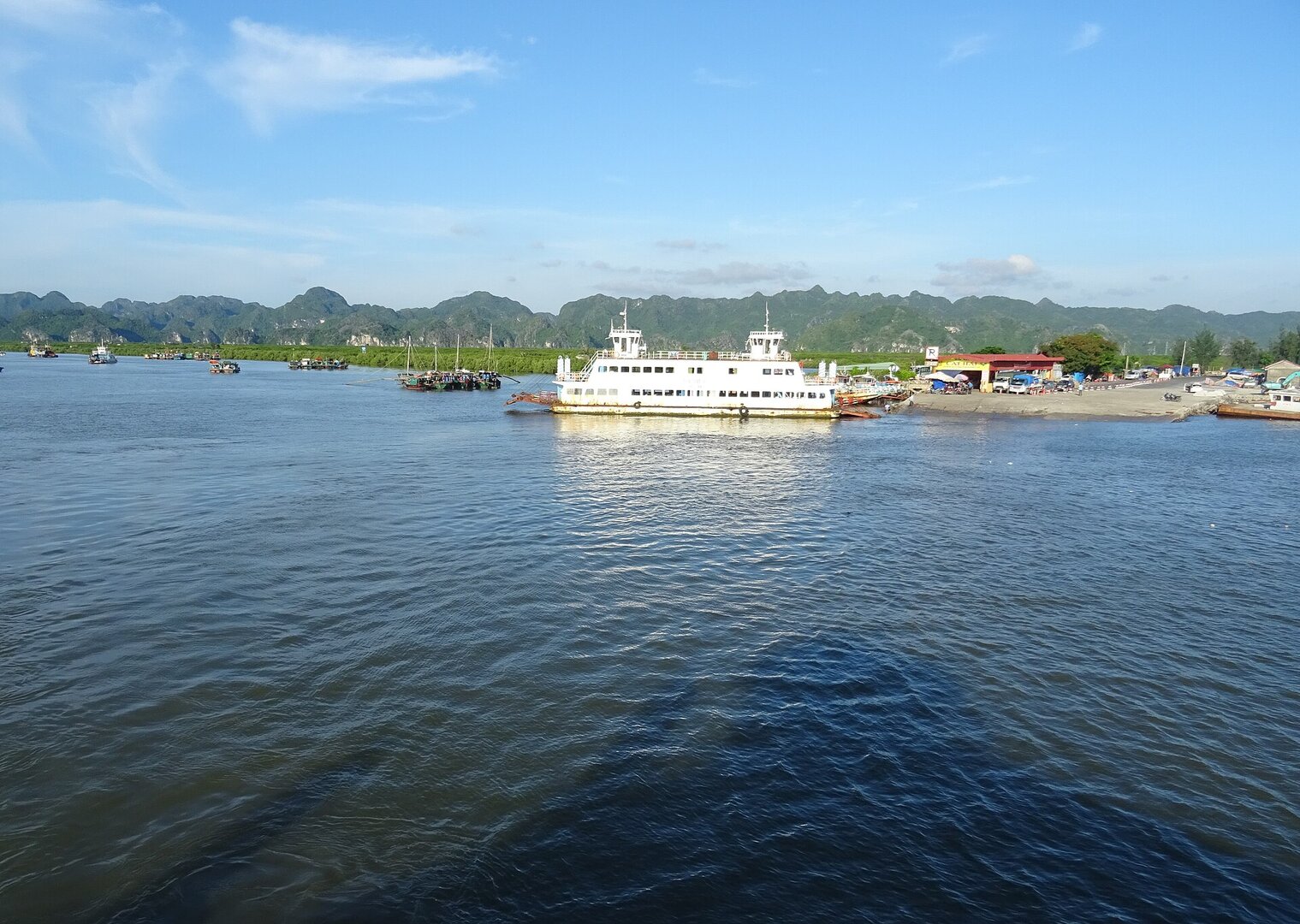
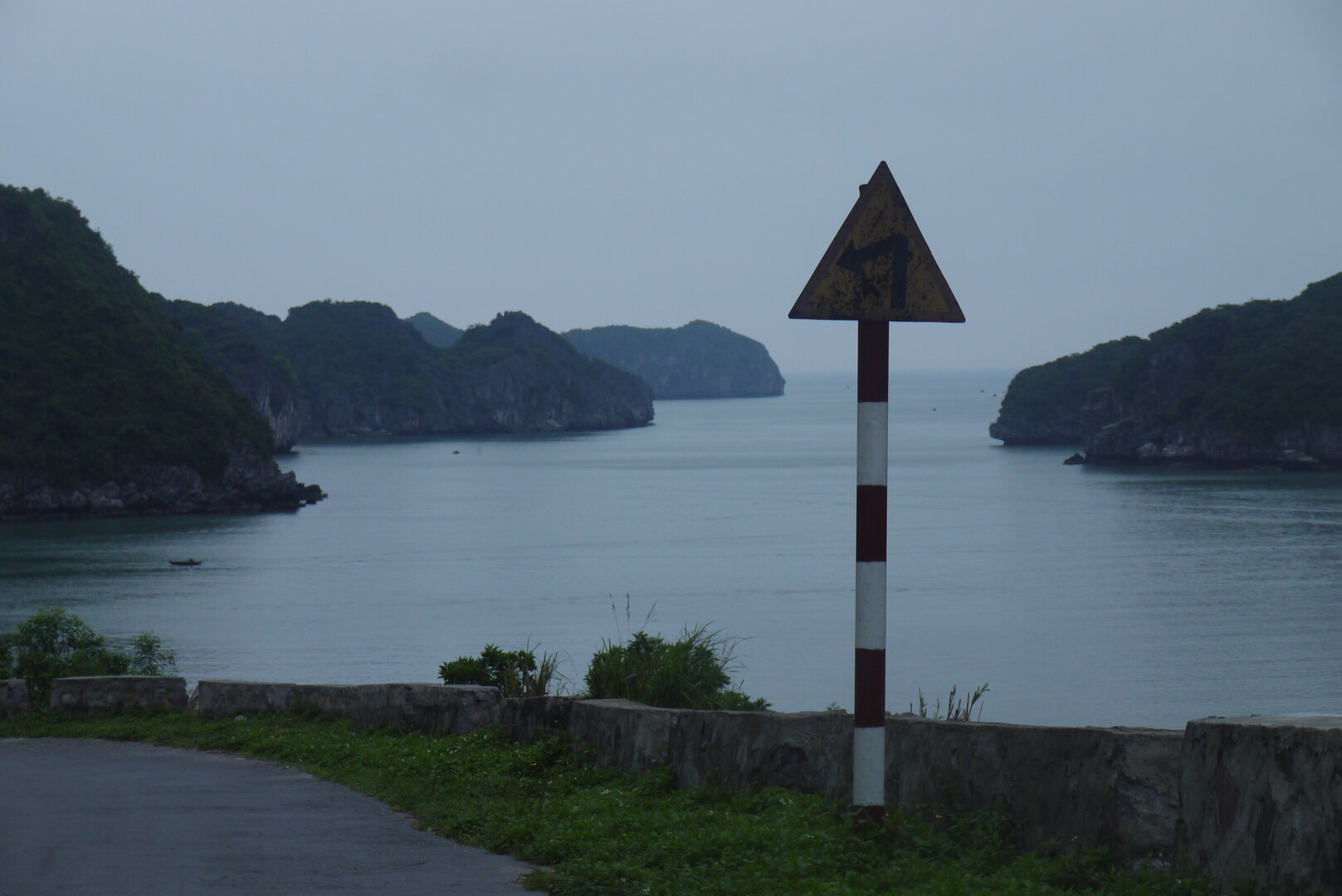
Picture yourself just off the ferry at Cái Viềng, driving along provincial road 356 towards the tourist town of Cát Bà, and right by the roadside stands a temple tied to one of the folk tales that explain why this island is called Cát Bà.
You have heard the name Cát Bà, and you may already have a room booked there. One folk tale says that long ago two goddesses who died young drifted ashore on the island. Fishermen built them a grave and then a shrine, called the shrine of Các Bà, meaning 'the Ladies', and over time 'Các Bà' was mispronounced as 'Cát Bà'. It is only one of the ways people explain the island's name. But the tale is linked to the temple at Hiền Hào, which sits right beside the provincial road, a short way from Hiền Hào beach.
Đền Mẫu Bà Hiền Hào: a prayer for calm seas on the road into the island town
People in Hiền Hào call it Đền Mẫu Bà, the temple of the Holy Mother, or simply Đền Bà, and they tell the story in more detail. According to legend, young women lost at sea washed ashore at four places on the island. The villagers buried them with care. Not long after, a termite mound rose on the graves and the women appeared to villagers in dreams. Taking this as a sign of their spiritual power, the villagers built a temple to them. That single story gave the island four places of worship: Đền Mẫu Bà Hiền Hào, Đền Gôi in Xuân Đám, Đền Mẫu Áng Ván and Đền Mẫu Trân Châu. Local tradition says the temple dates from the Early Lê dynasty and received a royal decree of recognition under the Later Lê dynasty. It has since been restored and is well kept.
Do you ever wonder what a temple built for people lost at sea still means to an island that now welcomes tourists? The answer is in the prayers. People from the surrounding area still come to worship the Holy Mother and ask for good rain and gentle winds, a calm sky and a quiet sea, and plentiful shrimp and fish. A fishing village has needed exactly those things since the temple was built, and it still needs them today. The day the villagers buried the women became the date of a yearly ceremony, and later the village festival, held to remember those who founded the village.
The village festival lasts three days in the first month of the lunar year, a few days after Tết, the Lunar New Year. From the Tết holiday itself, people from Cát Hải, Cát Bà and further afield come to offer incense. The festival has ritual offerings and games of island people: pounding rice, wrapping bánh chưng (square sticky-rice cakes), tug of war and stilt walking. The 2023 festival brought a new milestone: nine trees in the temple grounds were recognised as Vietnam Heritage Trees, a national title. What was honoured this time was not the building but the trees around the village temple.
Next time you say you are going to Cát Bà, would you like to stand at the temple of the women who, in one folk tale, gave the island its name?
Enough to decide whether to go
- What it is
- The Hiền Hào village temple of the Holy Mother, known locally as Đền Bà
- Where
- Provincial road 356, the former island commune of Hiền Hào, now part of the Cát Hải special administrative zone, Hải Phòng
- How old
- Local tradition dates it to the Early Lê dynasty, with a royal decree of recognition from the Later Lê dynasty
- Festival
- Three days in the first lunar month: offerings, rice pounding, bánh chưng wrapping, tug of war, stilt walking
- Worth noticing
- Nine trees in the grounds recognised as Vietnam Heritage Trees in 2023
- Nearby
- Hiền Hào beach, a short way off
From someone who has been
If you take the ferry to Cái Viềng and head into Cát Bà town, the temple is right on your way: stop as you pass, then walk down to Hiền Hào beach nearby. To see the temple at the heart of village life, come in the first lunar month, at festival time. It suits travellers who want to understand the island before they reach the beach.
Vibe
Tags
Source
The temple's legend, the traditional account of its date and royal decrees, its position beside Provincial Road 356 and the January festival calendar come from the article 'Đền Mẫu Bà' on the Cát Bà tourism portal (catba.com.vn, 16 Feb 2022), re-read on 10 Oct 2026. The religious meaning, the fact that the commune has only one temple, the nine trees recognised as Vietnam Heritage Trees in 2023 and the distance to Hiền Hào beach come from an article by the Hải Phòng Youth Union (21 Jul 2023). That article copies the 2022 article almost word for word, so the two pages count as one chain of sources, not two. The phrase 'young princesses' appears only in the later version so it is not used; here the original wording 'young women' is kept. The new administrative unit (Cát Hải special zone) was cross-checked via the Cát Bà tourism portal's directory and OpenStreetMap/Nominatim. The temple's position matches a place of worship on OpenStreetMap, about 12 m from the pin. The Early Lê dating and Later Lê royal decrees are only local tradition, with no accompanying monument record. The architectural description from one travel page was dropped because it has no second source, and so was the phrase 'opening the spring festival season of the island district' because it appears only on a resort's blog.
Place data is compiled from many sources across the internet by a team of automated AI agents that collect, enrich, check, challenge, score, edit, review and verify it.
Ratings & comments
Anyone can read. Sign in to rate, comment and like.