Cát Bà, Hải Phòng · Landmark
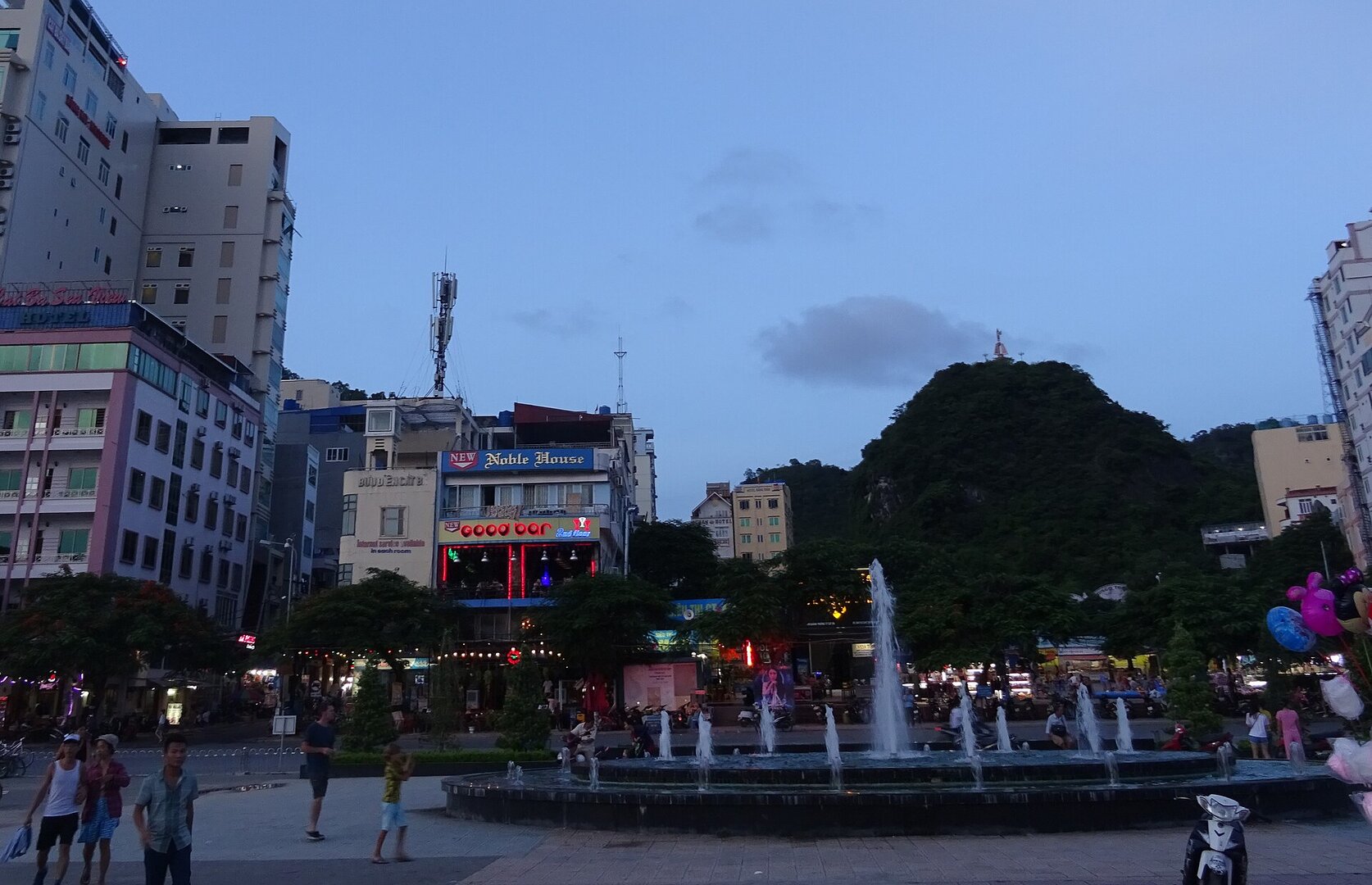
Cat Ba Square
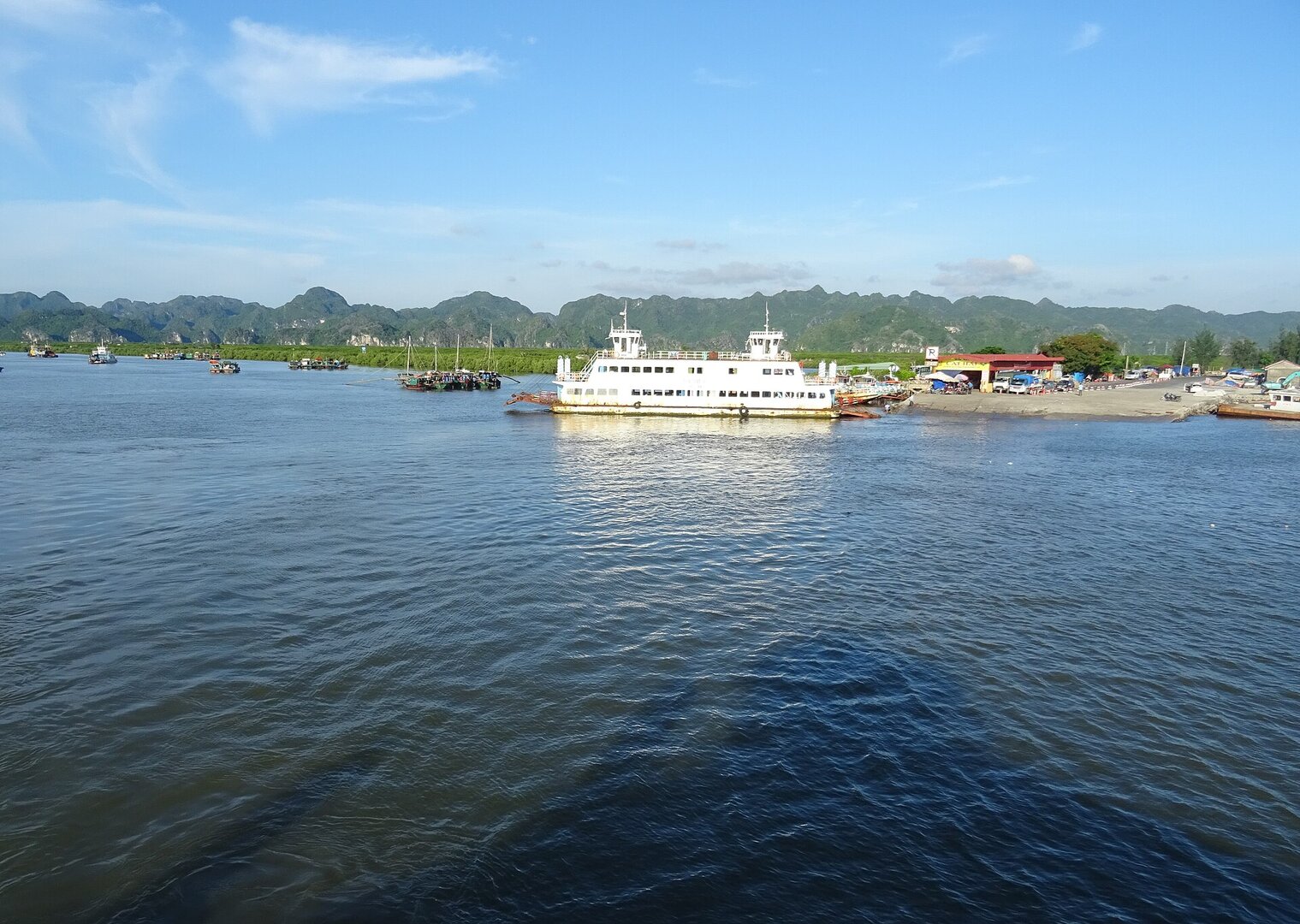
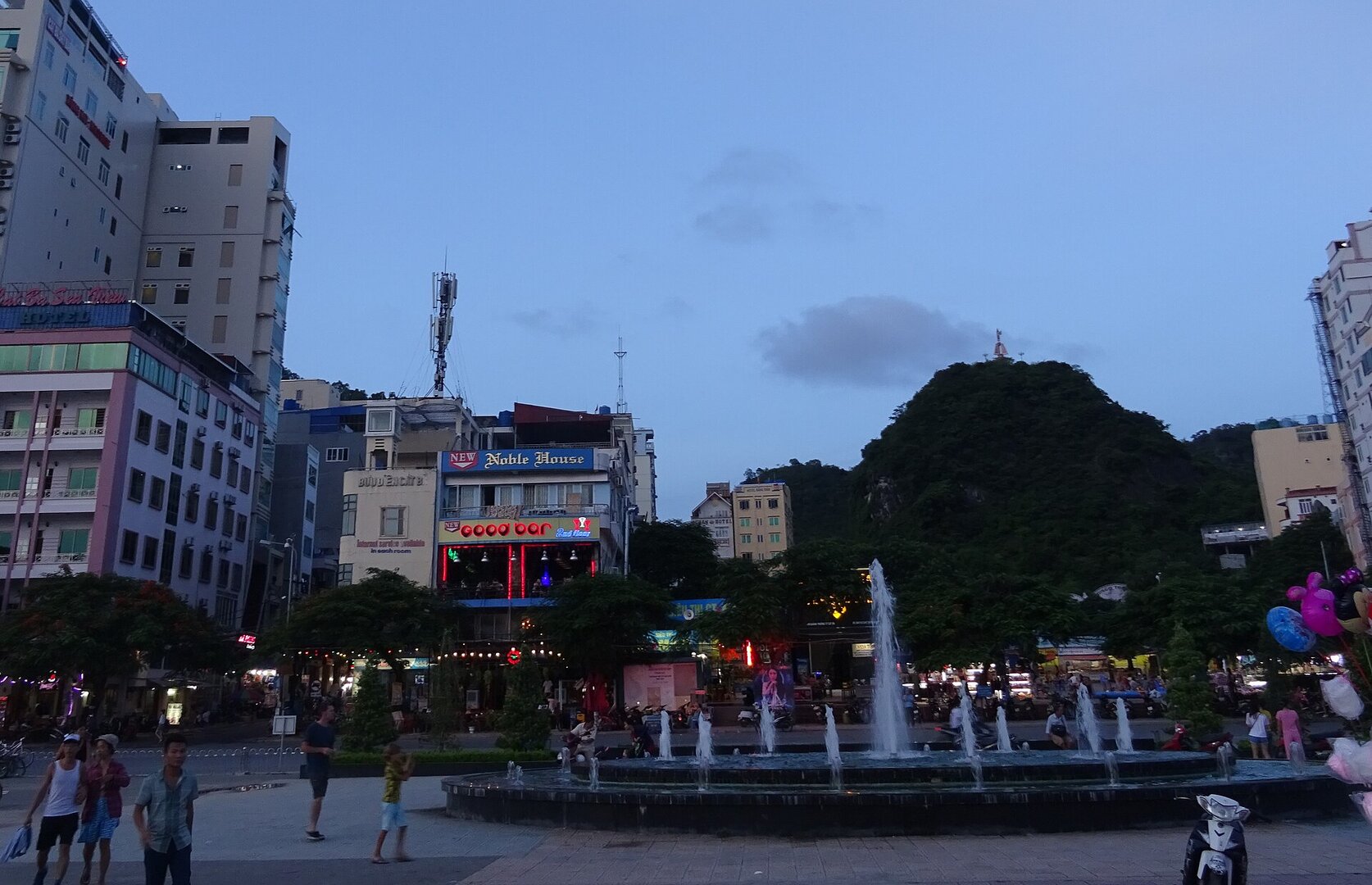
Picture a summer evening in Cát Bà town. A passenger boat has just docked, the fountain lights up, children run in circles and the breeze comes in off the bay. Amid that newly refurbished bayfront sits a quiet stone marking where Uncle Ho came ashore on the island in 1959.
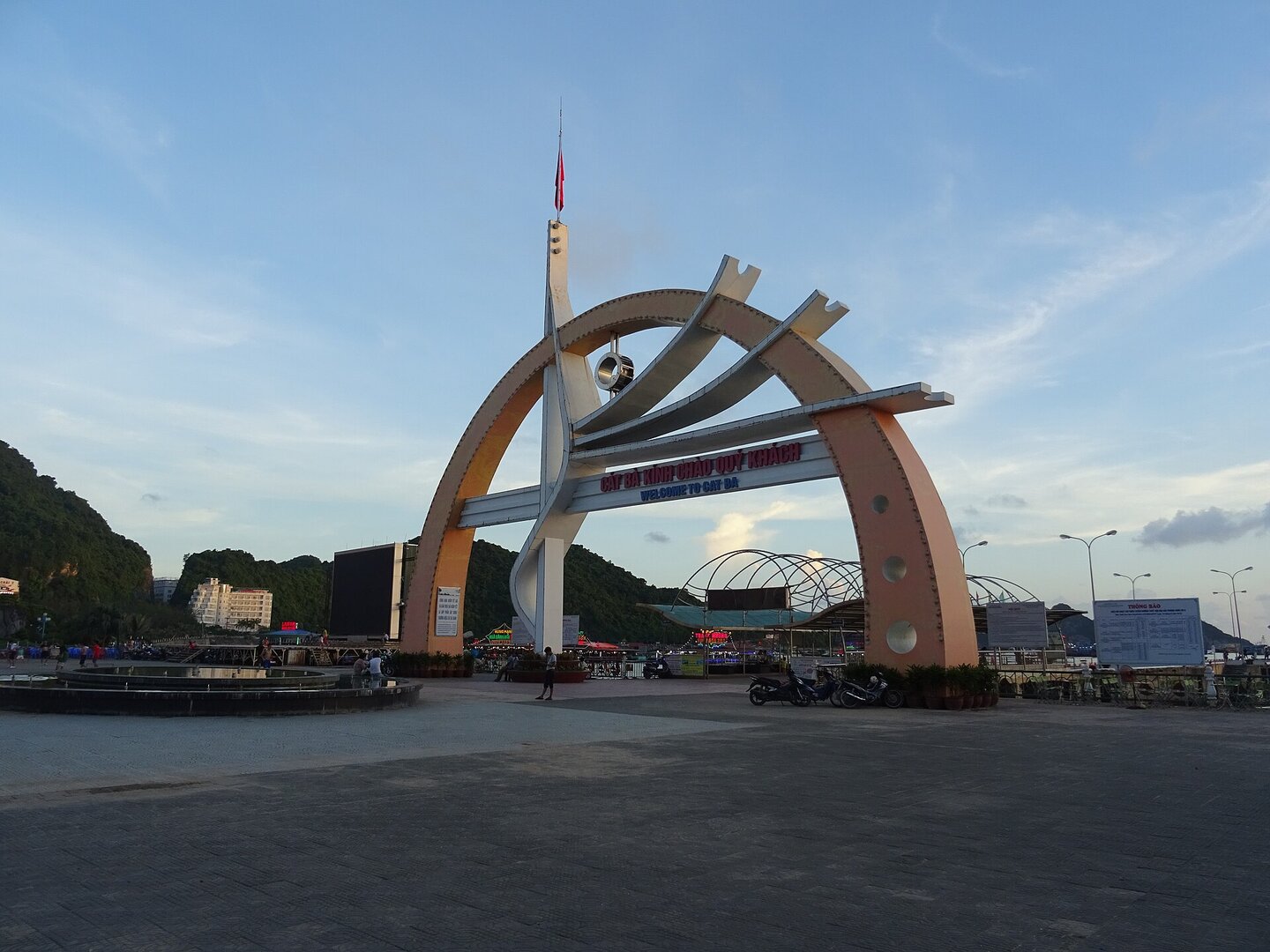
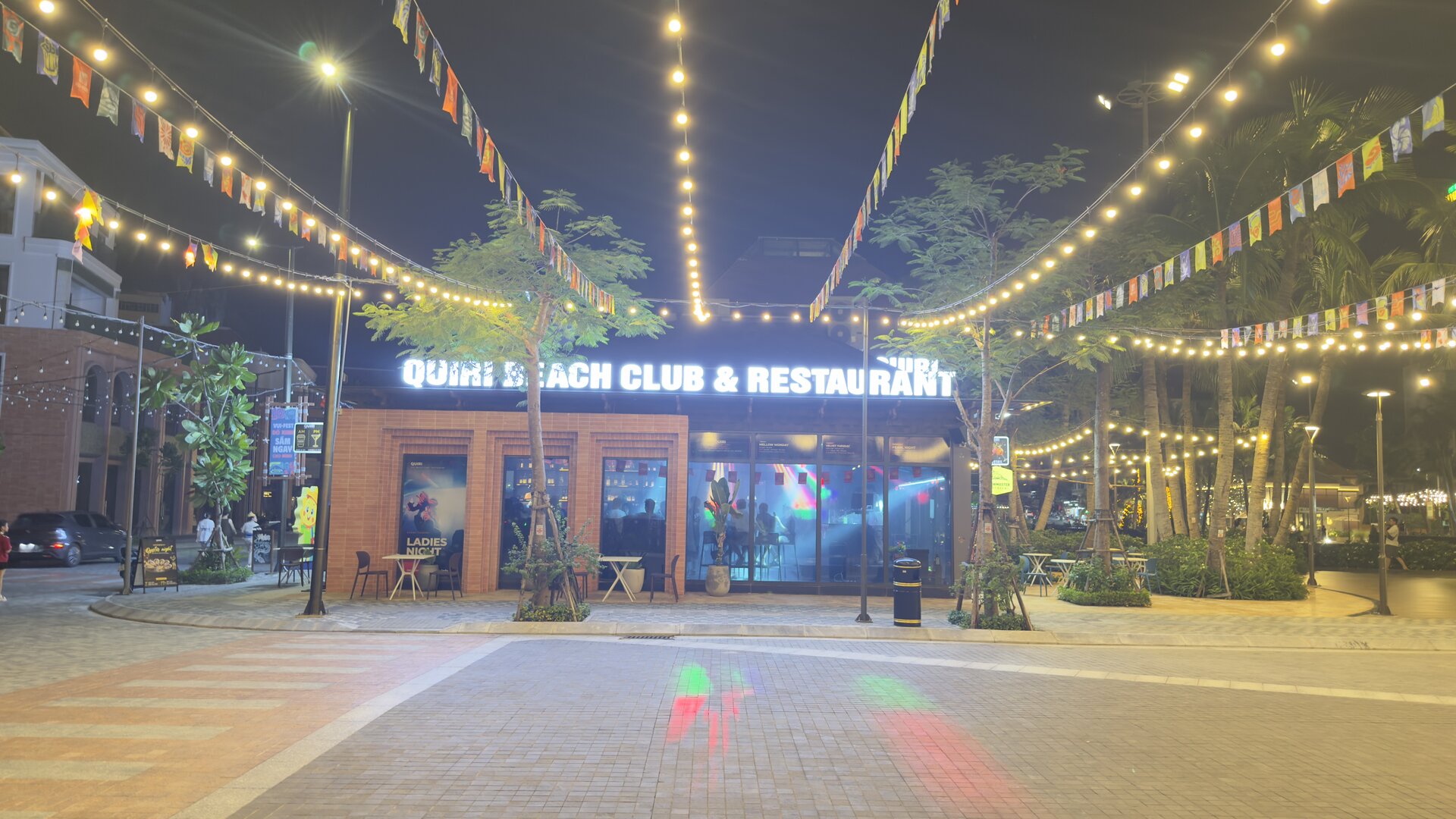
Cát Bà Square is an open space on the bay, right next to the passenger boat dock in Cát Bà town. There is no gate and no ticket. It has a fountain, an open-air stage and some patches of green, with the water in front. People come to stroll and watch. The eating happens in the night market and the food stalls around it.
Cát Bà Square: an old stone under new lights
The thing most worth finding here is the one thing that doesn't light up: a stone placed in 2009 to mark where Uncle Ho (Ho Chi Minh, as Vietnamese affectionately call him) came ashore on the island in 1959. The bayfront around the square was refurbished in 2025. The square itself was there before that, and it still plays its old role as the place where islanders and visitors gather. It has also been where the island opened its tourist season. In a town that has just had a facelift, have you ever wondered what gets kept? Here, the answer is right under your feet.
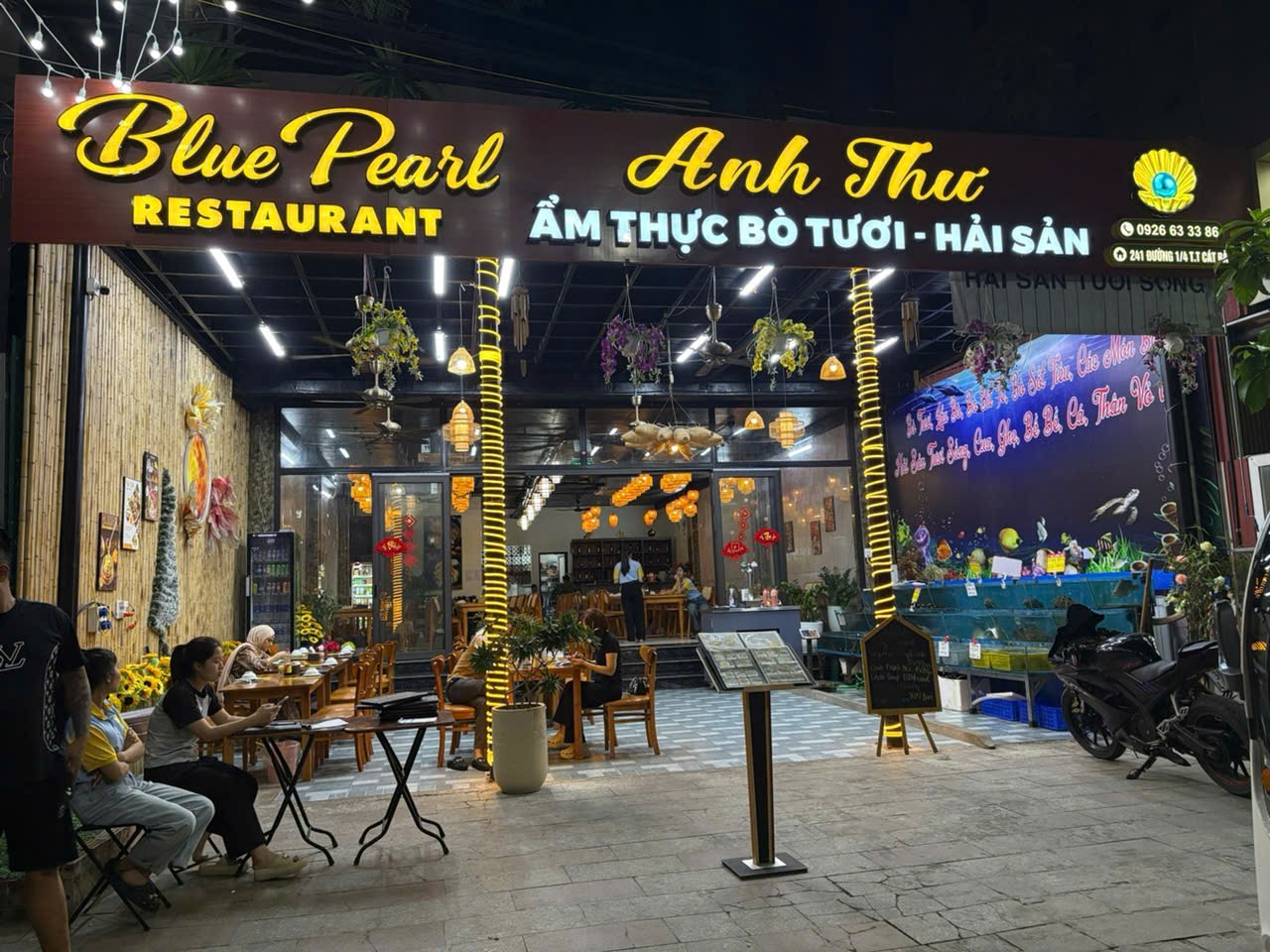
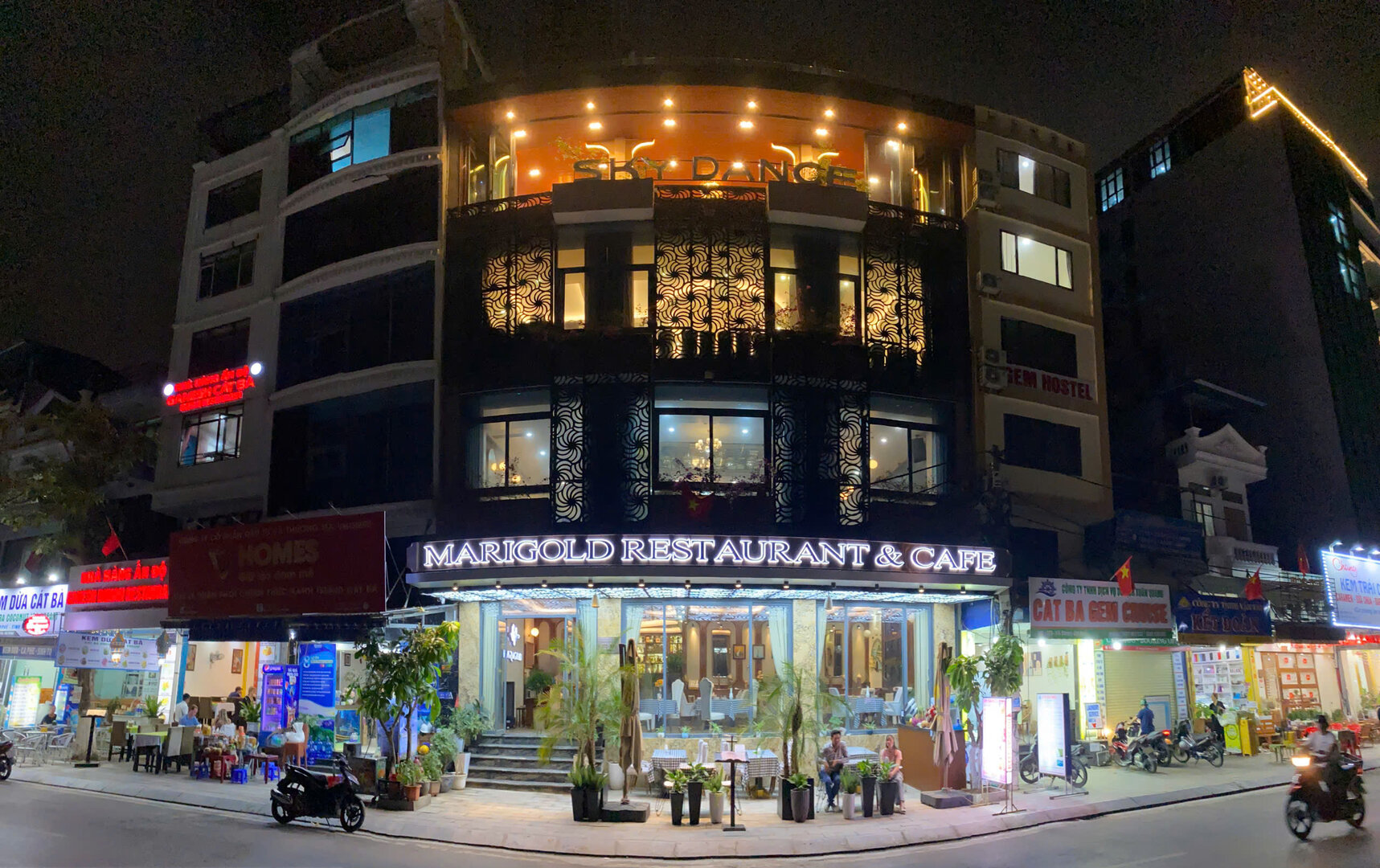
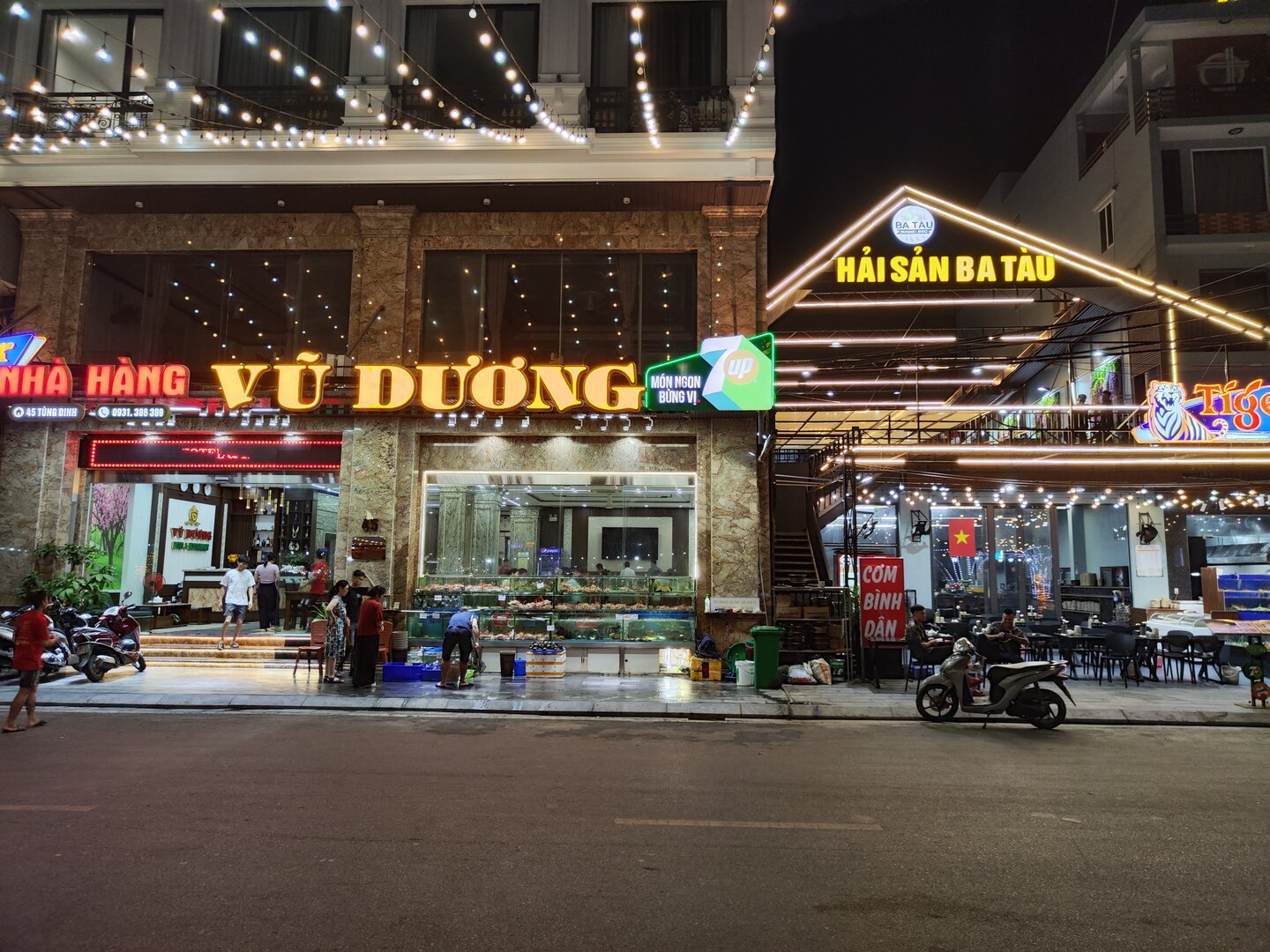
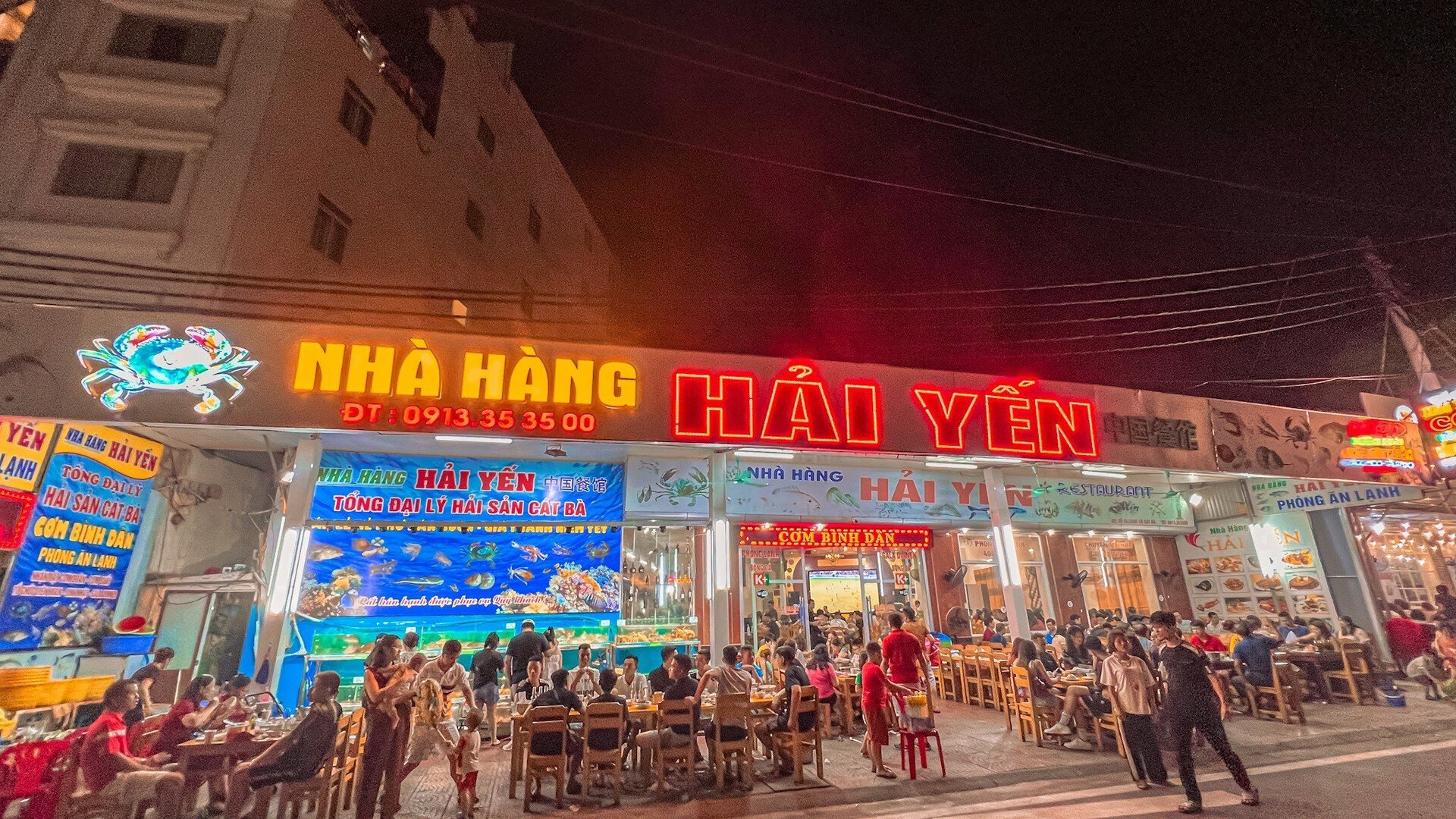
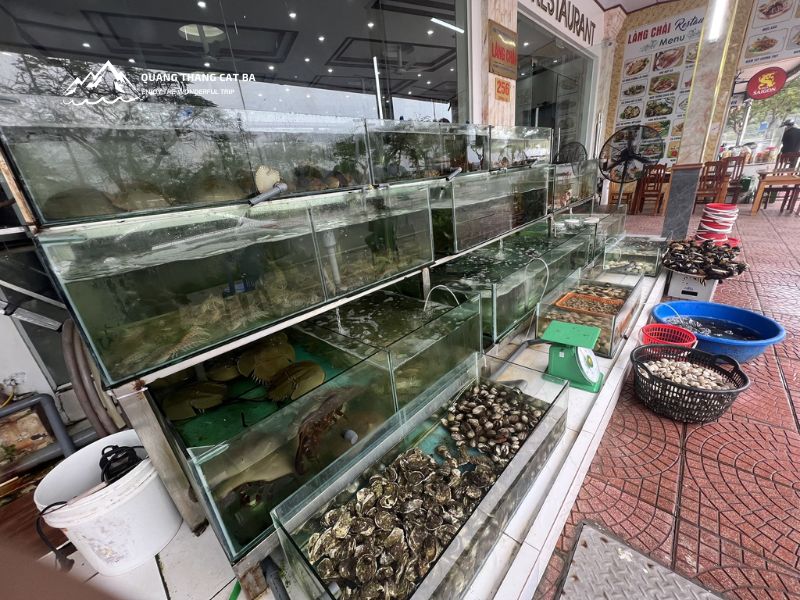
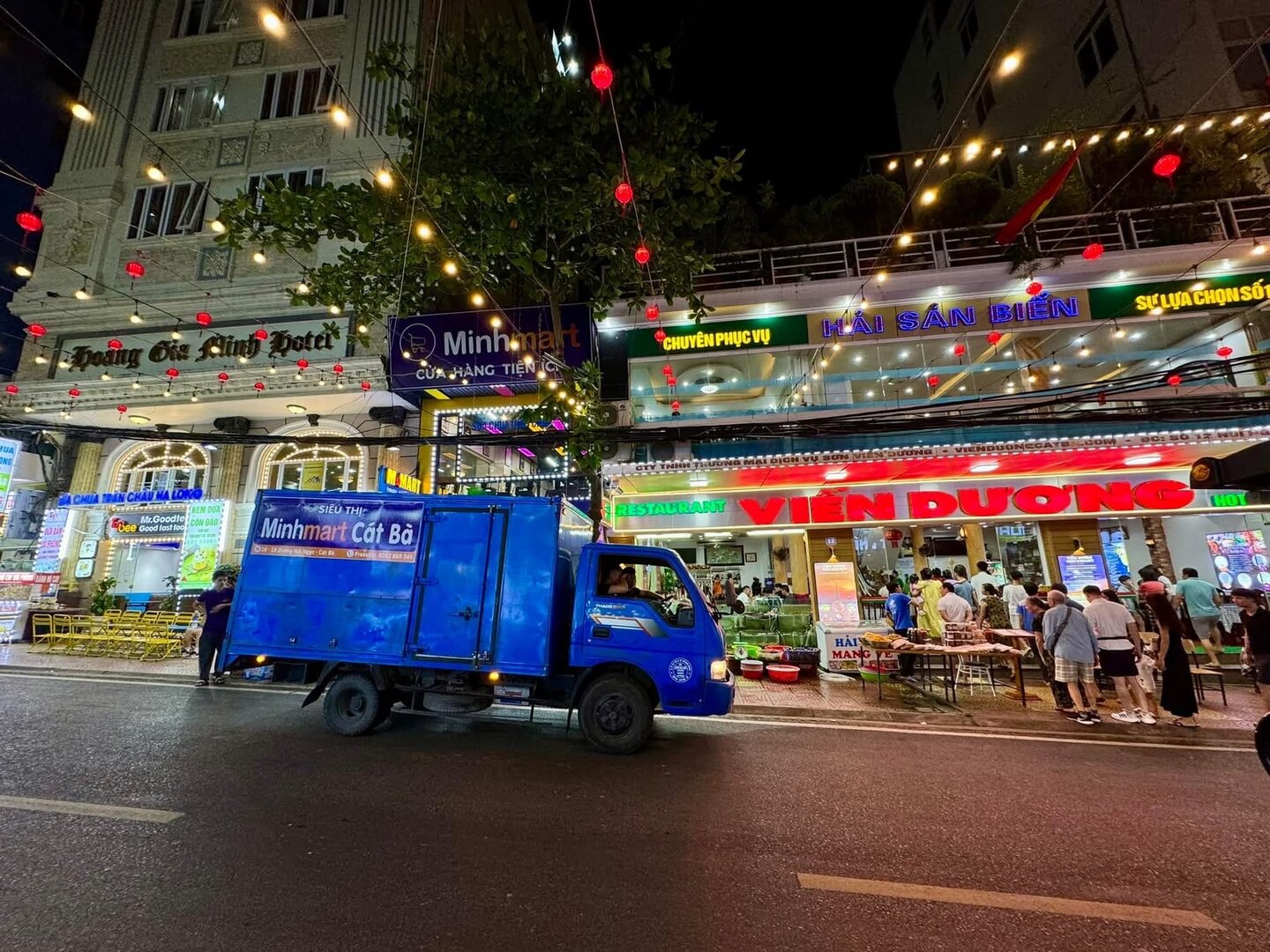
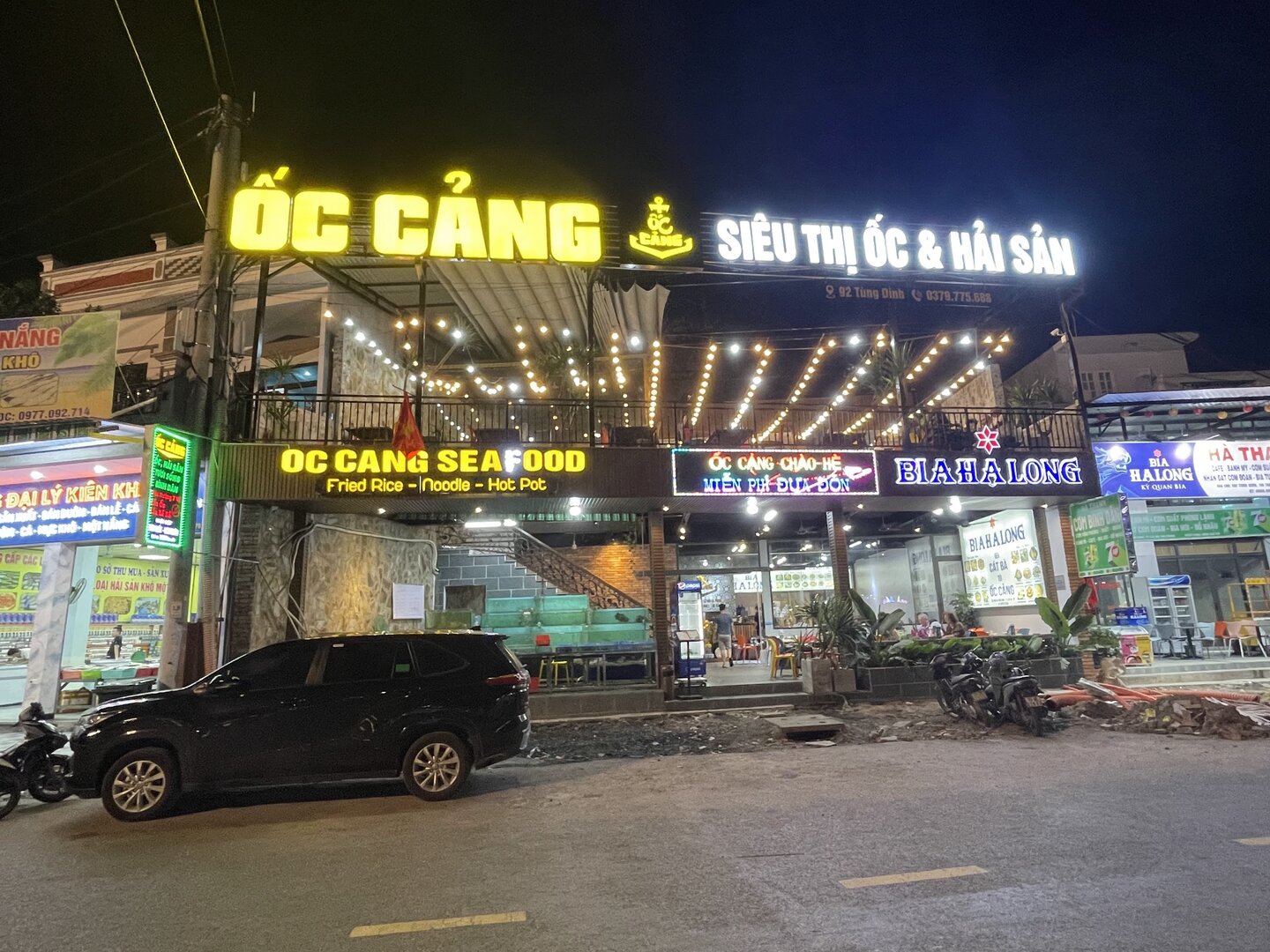
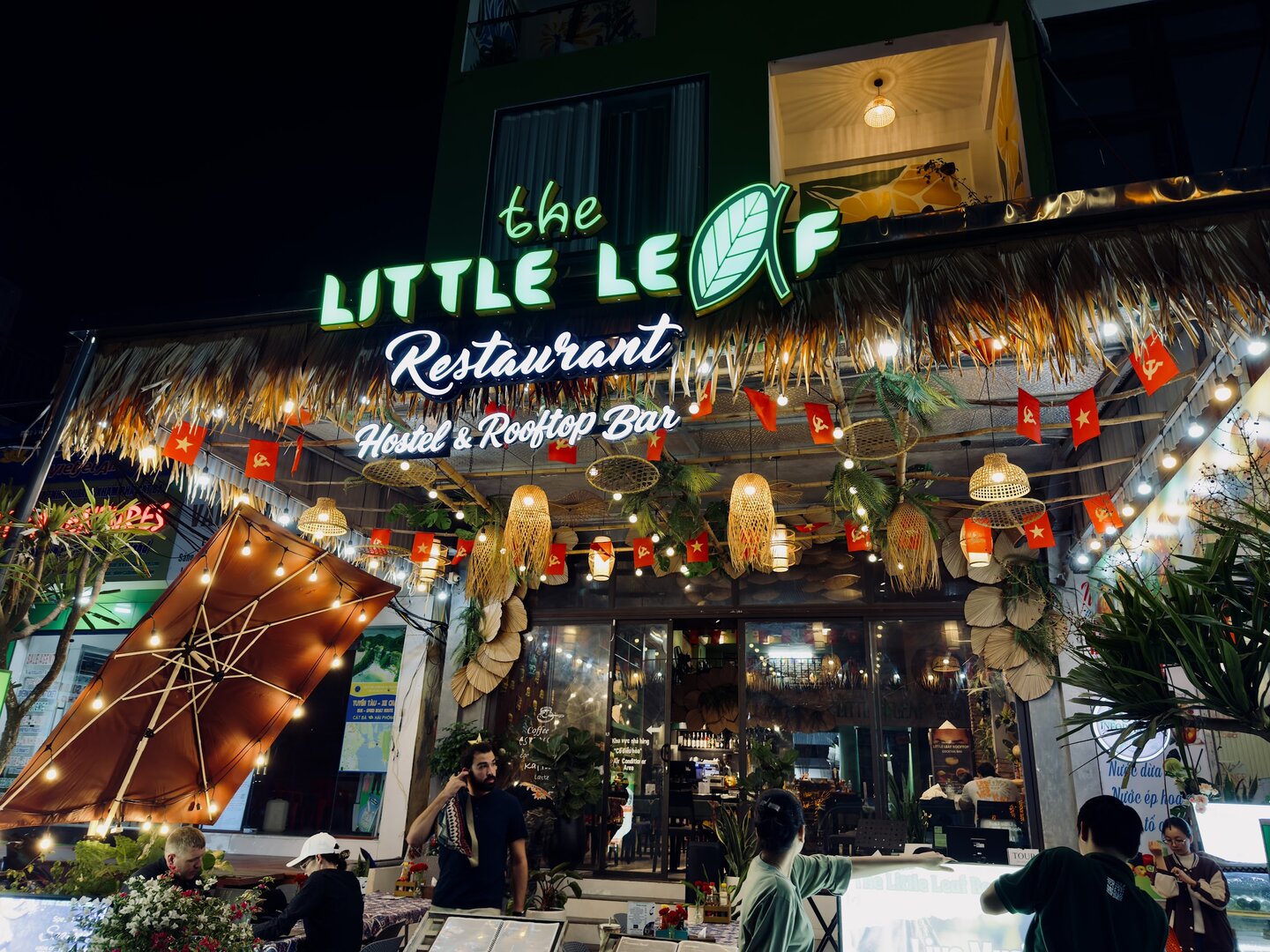
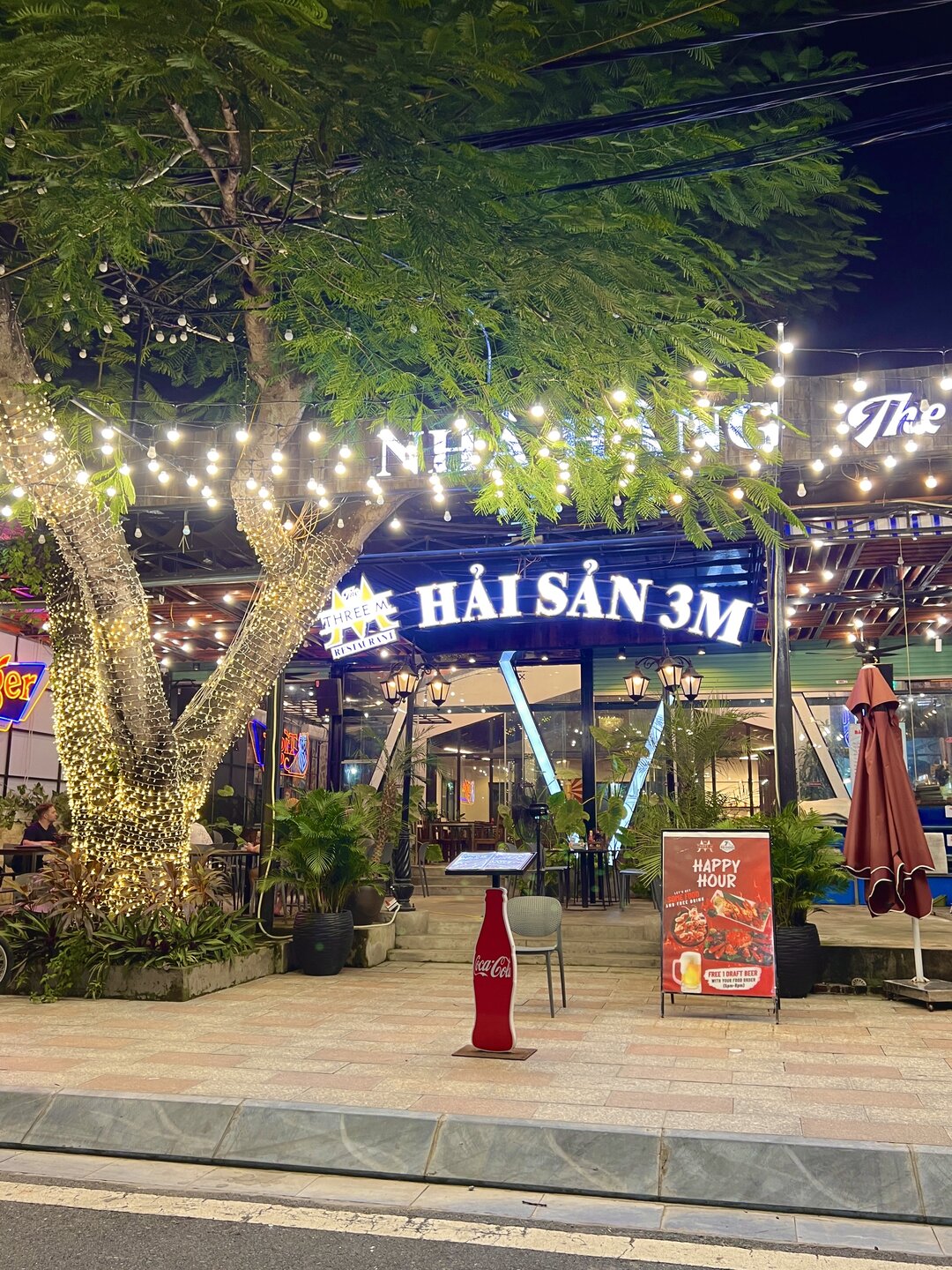
If you're hungry, walk a few more steps. Right beside the square is a small strip of night market selling souvenirs and snacks. It runs from early evening until late, and its customers include schoolkids, students, xe ôm drivers (motorbike-taxi drivers), locals and tourists. Carry on toward the central bay and you reach the VUI-Fest food area nearby. Shrimp, squid, oysters and sea fish are grilled on the spot, and the smoke drifts out over the street. There is also hand-held food to eat as you walk: grilled skewers, sausages, fries and ice cream. Many stalls set small tables and chairs out front for anyone who wants to sit. Hand-held food is cheap to moderate, while seafood ordered for a group costs more. If you want seafood, ask the price before you choose, because not every stall offers a good price.
The square keeps a small-town rhythm. Early in the morning, people come out to exercise. During the day it is open and quiet. It comes alive in the evening: people stroll, children play, and others sit in the sea breeze watching the town light up. Plenty of electric carts wait around the square to take visitors sightseeing, and there is a place renting mini electric cars for children that foreign visitors love. Some evenings bring live music and fireworks, scheduled by the resort area. Next time you step off the boat at Cát Bà, will you head straight into town, or stop a few steps away to find the stone that marks where Uncle Ho came ashore?
Photographs
11 of 11 on fileChristophe95· CC BY-SA 4.0 · source
Velvet· CC BY-SA 4.0 · source
Christophe95· CC BY-SA 4.0 · source
Christophe95· CC BY-SA 4.0 · source
Christophe95· CC BY-SA 4.0 · source
Christophe95· CC BY-SA 4.0 · source
Christophe95· CC BY-SA 4.0 · source
Christophe95· CC BY-SA 4.0 · source
duymanh.do89 (Panoramio)· CC BY-SA 3.0 · source
Vuong Tri Binh· CC BY-SA 4.0 · source
Christophe95· CC BY-SA 4.0 · source
Enough to decide whether to go
- What it is
- An open bayside square for strolling and watching; food is in the night market and food area beside it
- Where
- Right next to the passenger boat dock in Cát Bà town, Cát Hải special administrative zone (đặc khu), Hải Phòng, on an island within the Ha Long Bay – Cát Bà Archipelago World Heritage area
- Worth finding
- The stone placed in 2009 marking where Uncle Ho came ashore in 1959
- When to go
- Evenings are the liveliest; early mornings bring people exercising; daytime is open and quiet
- How much
- Hand-held food is cheap to moderate; seafood for a group costs more
- Entry fee
- None: no gate, no ticket
From someone who has been
Come as afternoon turns to evening. Find the stone while it is still light, then stay to watch the fountain light up. With small children, this is a place for them to play in the evening. Summer is the busiest season; off-season the night market thins out and sometimes only runs at weekends.
Vibe
Tags
Source
Identity and location were cross-checked across two independent layers of sources: the Google Maps pin 'Quảng trường Cát Bà' and the area 'Quảng trường Cát Bà' on OpenStreetMap, with the two centres about 20 m apart. Both, together with the position of the passenger pier right next to it, were read with a browser and Overpass on 13 Oct 2026. The evening rhythm and the electric cars for children come from visitor reviews on Google Maps, cross-checked with VinWonders (Jul 2025) and Elitetour. The story of the stone block of 2009 marking where President Hồ Chí Minh came ashore on the island in 1959 comes from the Hải Phòng city news site. The fact that the square once hosted the opening of the tourist season comes from Báo Văn hoá (2019). The 2025 renewal of the bay frontage comes from Dân trí (31 May 2025); this article almost duplicates the wording of Sun's press release, so it counts as only one source. The layout (fountain, stage, early-morning rhythm) and every detail of dishes and prices in the VUI-Fest area all come from the promotional page of the developer Sun, with no independent source yet. The administrative unit, Cát Hải special zone, follows Người Quan Sát (29 Jun 2025). Not put on the page: the 2026 sea festival, the seashell architecture and the figure of 30 thousand people (these belong to Con Sò Square, about 400 m away); craft beer and DJs (a separate restaurant about 650 m away); every time to the minute for the night market and the shows; the news that 'shoreline construction is under way' (only one machine-translated page, which could not be rechecked); and two quotations that had been paraphrased but were claimed to be verbatim.
Place data is compiled from many sources across the internet by a team of automated AI agents that collect, enrich, check, challenge, score, edit, review and verify it.
Ratings & comments
Anyone can read. Sign in to rate, comment and like.