Cát Bà, Hải Phòng · Religious site
Linh Quang Pagoda
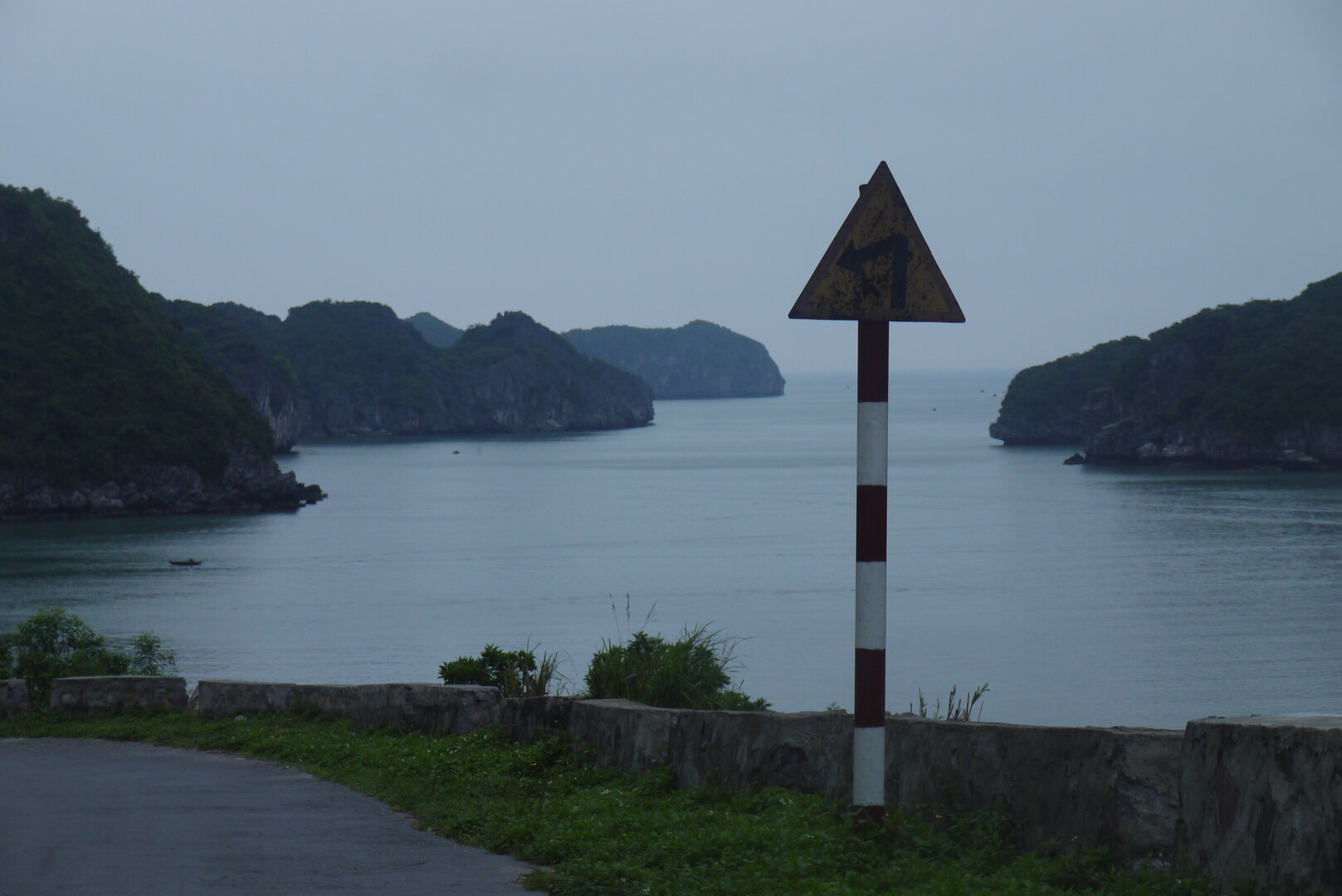
Picture yourself at Áng Ván Temple, a temple to the Mother Goddess with its back to the mountain, looking out over Cái Giá Bay, where Cát Bà's fishermen come to pray for calm seas. Walk around behind it and you reach a small pagoda that opened in early 2018.
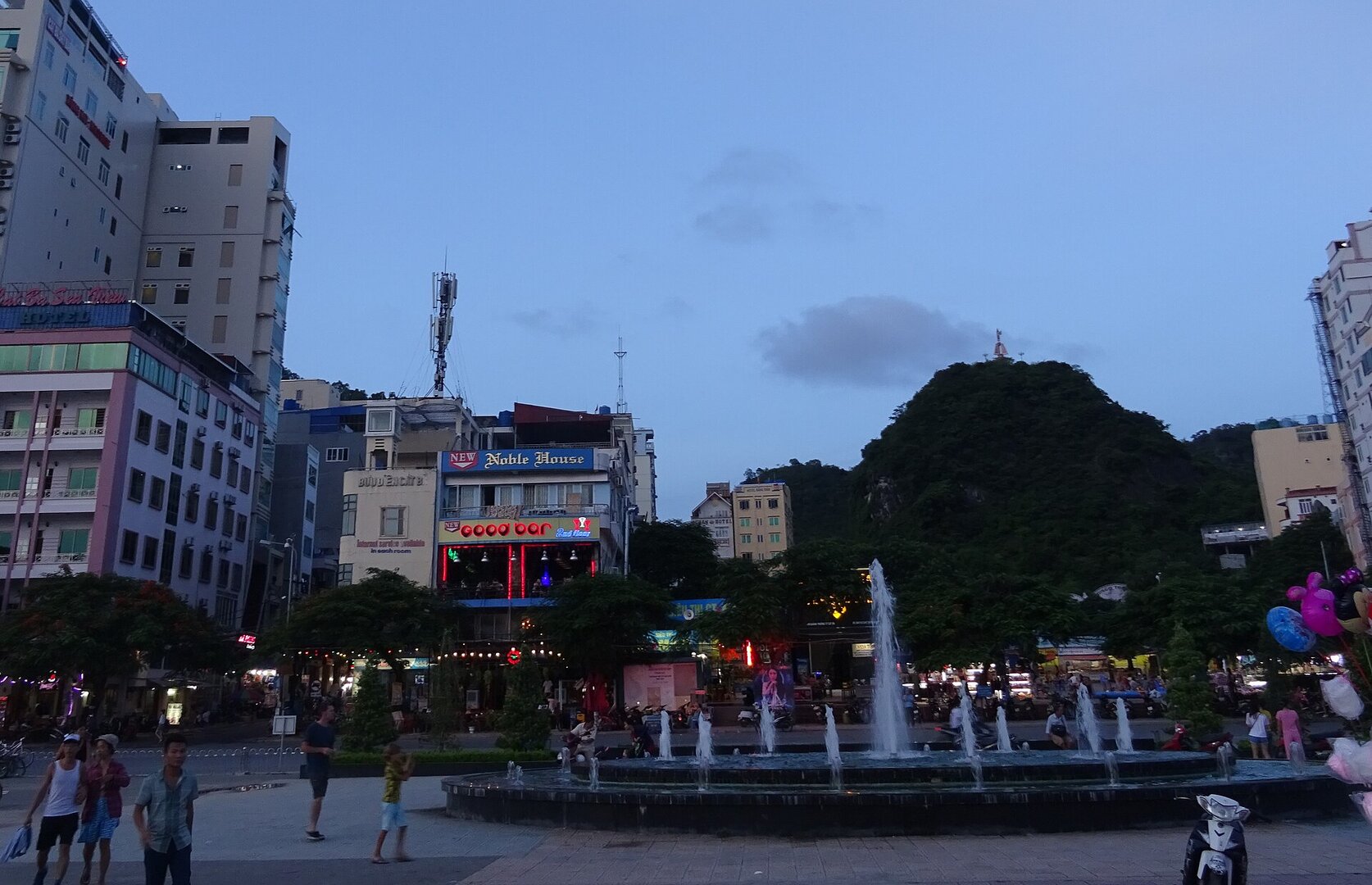
Picture yourself leaving the centre of Cát Bà town and arriving at Áng Ván Temple. It is a temple to the Mother Goddess (đền Mẫu, a Vietnamese folk-religion shrine), set against the mountain and looking out over Cái Giá Bay. Fishermen come here to pray for calm weather and a quiet sea; in the old days, fishing boats would also stop at the temple to ask for fresh water. Directly behind that temple stands Linh Quang Pagoda.
Linh Quang Pagoda: a young pagoda behind Cát Bà's Mother Goddess temple
The pagoda was inaugurated in early 2018. The money to build it was raised by the Venerable Thích Tục Khang (Thượng tọa, a title for a senior Buddhist monk), who called on Buddhists from many places to contribute. It is a small pagoda of five bays, with a front hall, a rear hall and a Tam Bảo hall (the hall of the Three Jewels: the Buddha, his teaching and the monastic community), built of wood, brick, cement and fired roof tiles. Beside it, on the hillside, stands a statue of Quan Âm, the bodhisattva of compassion. Locals explain the name like this: “linh” means sacred, “quang” means light, meaning the radiance of the pagoda shines on all people. Are you curious how a small pagoda lives up to a name like that?
The answer lies in what happens inside. Lay Buddhists from the island and from elsewhere come here to worship and to study the Buddha's teaching. At the Buddha's Birthday celebration in 2023, when the abbess was the nun Thích Ngọc Trân, the pagoda handed out 130 gift packages to poor schoolchildren and struggling families in Cát Bà. The gifts were contributed by Buddhists and benefactors living as far away as Germany. On the evening of the first full moon of the lunar new year in 2025, Buddhists and island residents gathered at the pagoda for the Thượng Nguyên ceremony (the first-full-moon festival) to pray for a peaceful year, with the Venerable Thích Tục Khang leading the rite.
In front is a temple where seafarers pray for quiet waves. Behind it is a pagoda where islanders come to pray for peace. The heritage here may not lie in the age of the roof tiles, but in the habit of coming together to ask for peace, now with help from people on the other side of the world. Next time you are in Cát Bà, why not walk around behind Áng Ván Temple and see for yourself how that habit is being kept?
Enough to decide whether to go
- What it is
- A small Buddhist pagoda on Cát Bà Island
- Inaugurated
- Early 2018
- Where
- Behind Áng Ván Temple, on the edge of Cát Bà town; Hà Sen, Cát Hải special administrative zone (đặc khu), Hải Phòng
- Worth seeing
- The Tam Bảo (Three Jewels) hall; the Quan Âm statue on the hillside beside the pagoda
- Tickets
- No tickets sold
From someone who has been
Visit together with Áng Ván Temple: stop at the temple to look out over Cái Giá Bay, then walk around behind it to the pagoda and look for the Quan Âm statue on the hillside. No tickets are sold. Good for anyone who wants to see the islanders' own religious life, not just the scenery.
Vibe
Tags
Source
Identity and location: the Google Maps pin to which the Cát Bà Tourism Portal (catba.com.vn, run by the Public Service Centre of Cát Hải Special Zone) links, cross-checked against the OpenStreetMap node 'Chua Linh Quang' on Hà Sen street; the two points are about 40 m apart. The inauguration year 2018, the person who raised funds, the five-bay layout, materials, the explanation of the pagoda's name and the details about Áng Ván temple: Cát Bà Tourism Portal, post of 29 Jun 2022. The Thượng Nguyên ceremony and the evening peace prayer of 12 Feb 2025, and the title of Venerable Thích Tục Khang: Phật Sự Online. The Vesak ceremony of 2023, 130 charity gifts and the name of the abbot in 2023 (Nun Thích Ngọc Trân): Phật tử Việt Nam. The scale of the pagoda, the Quan Âm statue on the hillside and the fact that no tickets are sold: the travel blog Nasha Planeta (28 Sep 2025); each of these details has only one source, a visitor's notes. Rejected: the date 1747, the Zen master Nguyễn Cánh, the fire, the Hòn Tranh rock and the title 'the oldest ancient temple on the island'. That is the history of Linh Quang pagoda on Phú Quý island, mistakenly copied onto the pagoda in Cát Bà by two travel sites (catbaduky.vn, quangthangcatba.com). Also rejected are the descriptions 'right in the centre of town', 'courtyard facing the sea', 'fish-scale tiles' and 'a mainstay of fishermen' from the same sites; the role as the place where fishermen pray for calm seas belongs to the neighbouring Áng Ván temple. There is no openly licensed photo taken of this very pagoda yet.
Place data is compiled from many sources across the internet by a team of automated AI agents that collect, enrich, check, challenge, score, edit, review and verify it.
Ratings & comments
Anyone can read. Sign in to rate, comment and like.