Đặc khu Phú Quý, Lâm Đồng · Nature
Bai Can – SUP and Coral Diving Tour
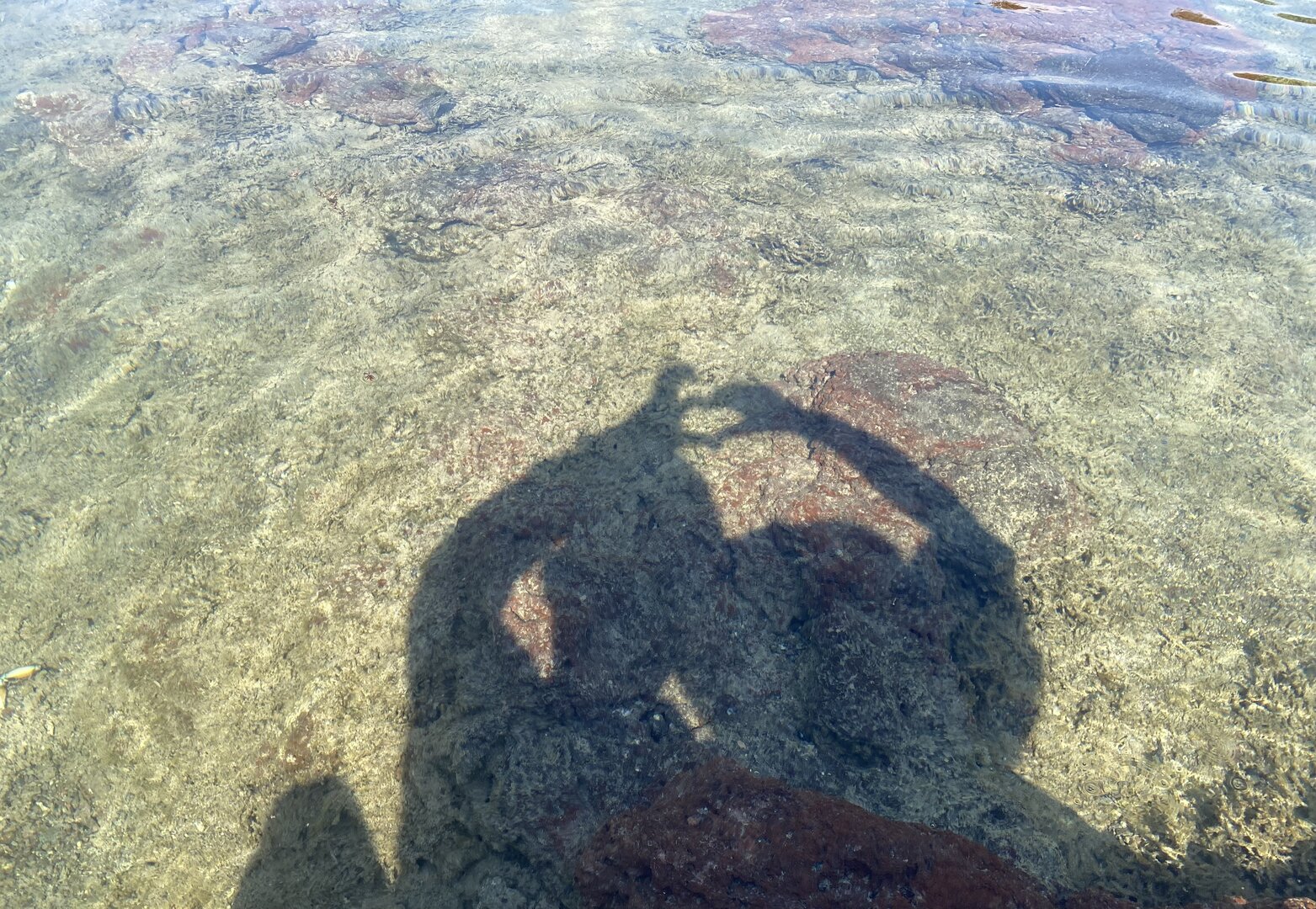
About 300 m out to sea, the seabed is still right there, surprisingly shallow for so far from shore. The place's name said so first: Bãi Cạn, 'the shallow bank'.
What people come for
People come to paddle a SUP out to the reef and snorkel to look at the coral. Since 2025 there has also been freediving, with an instructor who gets guests used to it on land before they enter the water. According to a tour guide, on days when the tide goes out strongly around the middle of the lunar month, patches of coral rise above the water surface. This has not been checked against tide data.
Getting there and around
You can only reach the reef on a tour run by licensed travel companies operating at Bãi Cạn. Guests receive a SUP board at the shore and paddle out themselves with a guide supervising, gather at the floating huts and then get in the water to dive. The tour provides SUP boards, paddles, life jackets, masks, snorkels and fins, and guests get breathing practice and are shown how to put on the life jacket before entering the water. The tour is paid. The 2023 price is too old, so it is not listed here. It is not clear whether there is a separate entrance fee or parking fee.
Before you go
The snorkelling and SUP season at Bãi Cạn runs roughly from late spring through the end of summer. The only source for this window (March to August) is a tour guide. Outside that season, activities usually stop because the sea is rough. The start of the season can still be windy: the Northeast monsoon runs from about November to the end of April, the sea is often rough, and high-speed boats to the island have sometimes had to stop. The storm season for the whole island is usually September to November. The island lies more than a hundred kilometres off Phan Thiết, so check the boat schedule before you go. No source says whether Bãi Cạn has lifeguards, warning flags or information on currents. In the sea off the island's east coast, in a different hamlet and not at Bãi Cạn, strong wind and current once carried people paddling SUPs on their own far from shore. So paddle out to the reef only with a guide, always wear a life jacket, and do not paddle in strong wind. There may be jellyfish in the water; do not touch the coral with your hands. The tour's instructions are not to trample or break off coral and to limit sunscreen use.
What this place is
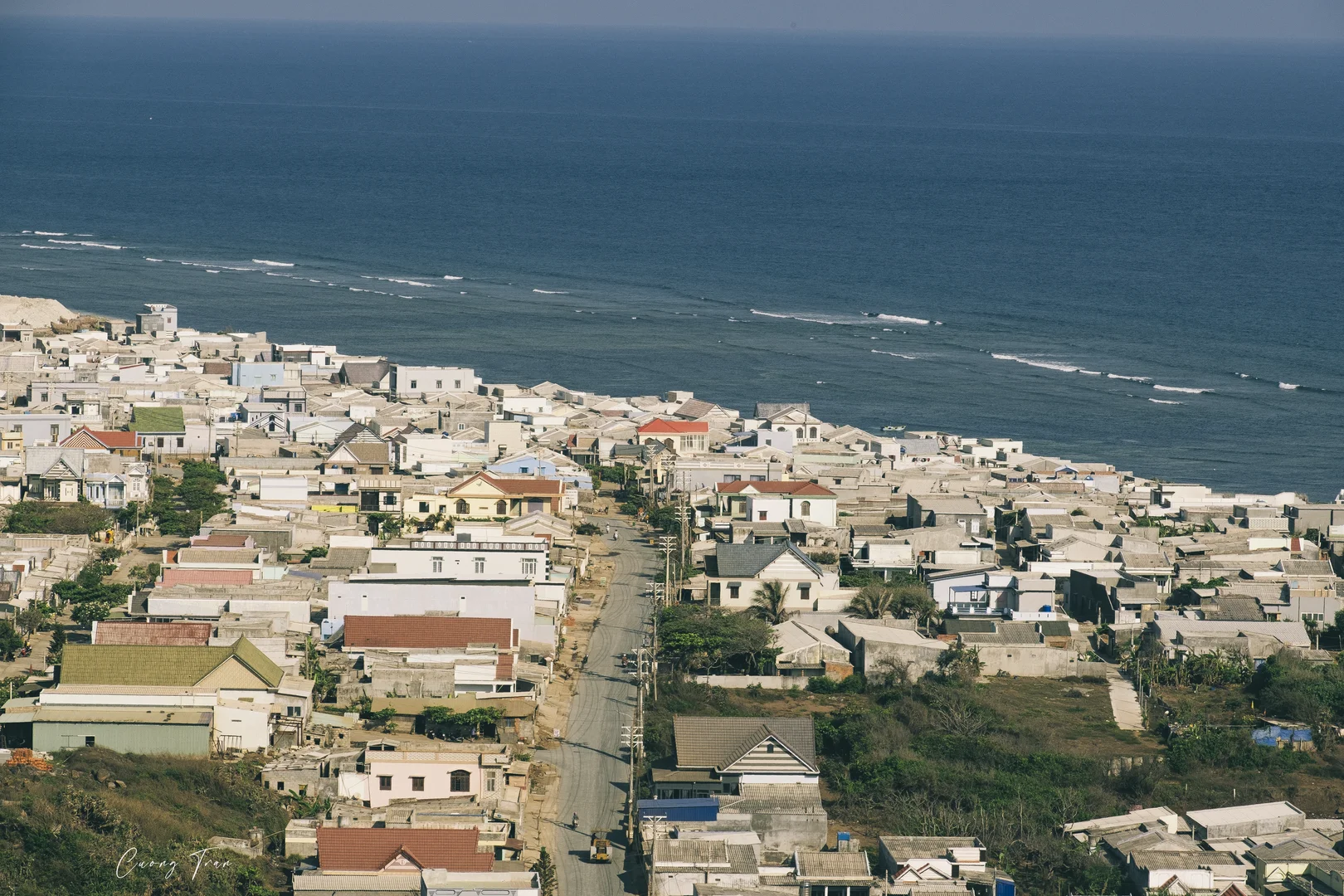
Bãi Cạn, also called Rạn Cạn or the Lồng Bè area, is a coral reef of about 1 km² on the east side of Phú Quý island, roughly 300 m from shore. The water here is surprisingly shallow even though it is far from the beach. This is an offshore reef, not a sandy beach for swimming. Underwater you can see hard coral, table coral and cabbage coral mixed with beds of sea grapes and many species of fish. There are floating huts in the middle of the coral flat, which is why the area is also called Lồng Bè. The sea around the island is part of a planned marine protected area, and a preliminary survey recorded 134 species of hard coral around the island. That figure covers the whole island, and it is not clear whether Bãi Cạn lies in any conservation zone.
Busy and quiet times
Visitors come in tour groups: they paddle out to the reef together under a guide's supervision, then gather at the floating huts in the middle of the coral flat before diving. No source says how busy or quiet it gets at different times.
The story
Bãi Cạn: a coral reef and the names people gave it
Picture yourself leaving the shore on a SUP (stand-up paddleboard), paddling about 300 m out to sea, then looking down — and the seabed is still right there, surprisingly shallow for so far from shore. The name said so first: Bãi Cạn, sometimes Rạn Cạn — cạn means shallow, rạn means reef. This is not a sandy beach for swimming. It is a coral reef of roughly one square kilometre off the east coast of Phú Quý island, which lies more than a hundred kilometres offshore from Phan Thiết. To go out to the reef, go with a tour, with a guide alongside you, and wear a life jacket.
Vibe
Tags
Source
Most of the facts about Bãi Cạn come from the VnExpress article 'Chèo SUP và lặn ngắm san hô ở đảo Phú Quý' (11 Mar 2023). That article gives: a reef of about 1 km² on the east side of the island, about 300 m from shore; the other names Rạn Cạn and the Lồng Bè area; water that stays shallow even far from shore; the kinds of coral and sea grapes (the article cites the Phú Quý district information page, whose original page could not be opened); getting out to the reef by SUP and gathering at the raft hut; the tour's equipment; the advice on protecting coral; the phenomenon of coral surfacing when the tide ebbs in the middle of the lunar month; and the diving season of March–August. The diving season and the tide phenomenon are both the words of a tour guide, repeated by Travellive (17 Mar 2023), so they count as only one source. The tide phenomenon has not been checked against tide data. Guided freediving comes from Chính sách và Cuộc sống of TTXVN (Apr 2025). The northeast monsoon season comes from Người Lao Động (30 Dec 2025). The storm season and the distance from Phan Thiết come from the VnExpress travel guide to Phú Quý island (published 29 May 2022, updated 7 May 2026). The warning about wind and currents in the east coastal area comes from Tiền Phong (27 Oct 2024). That incident happened in Quý Hải hamlet, not at the departure point for Bãi Cạn, so it is not tied to this reef. The warning about jellyfish and poisonous coral appears only on the page of the tour operator Biển Xanh Phú Quý (14 Jun 2023). The marine protected area plan and the figure of 134 species of hard coral around the island come from the Ministry of Culture, Sports and Tourism (2021). The location is placed at the edge of the east shore, where guests set off, following the Google Maps pin of the Bãi Cạn diving pier, and was checked against the coastline on OpenStreetMap on 29 Sep 2026. No source has determined the centre of the reef offshore. Rejected: the tour prices of 250,000 VND / 150,000 VND and the figure of '7 tour operators' (2023 figures, too old); the idea of 'fish-farming raft cages, where you can eat live fresh seafood' (only one tour page says so); the judgement 'the water is shallow so it suits families and small children' (no source says so, and it is easily read as 'safe'); the news about SUP suspensions and halted boats (used only as evidence of the seasonal pattern). There is no source on a rescue team, warning flags or currents at Bãi Cạn.
Place data is compiled from many sources across the internet by a team of automated AI agents that collect, enrich, check, challenge, score, edit, review and verify it.
Ratings & comments
Anyone can read. Sign in to rate, comment and like.