Hoi An, Da Nang · Landmark
Hoi An Ancient Town
Take out a 20,000-đồng note and look closely: there is a small roofed bridge on it, curved like a single brushstroke.
Take out a 20,000-đồng note and look closely: there is a small roofed bridge on it, curved like a single brushstroke. That bridge is real. It is called Chùa Cầu, built by Japanese merchants around the early 17th century, and you can walk across it this afternoon — the construction fencing is gone, after a restoration of nearly two years that finished in 2024.
Hội An: a heritage still at work
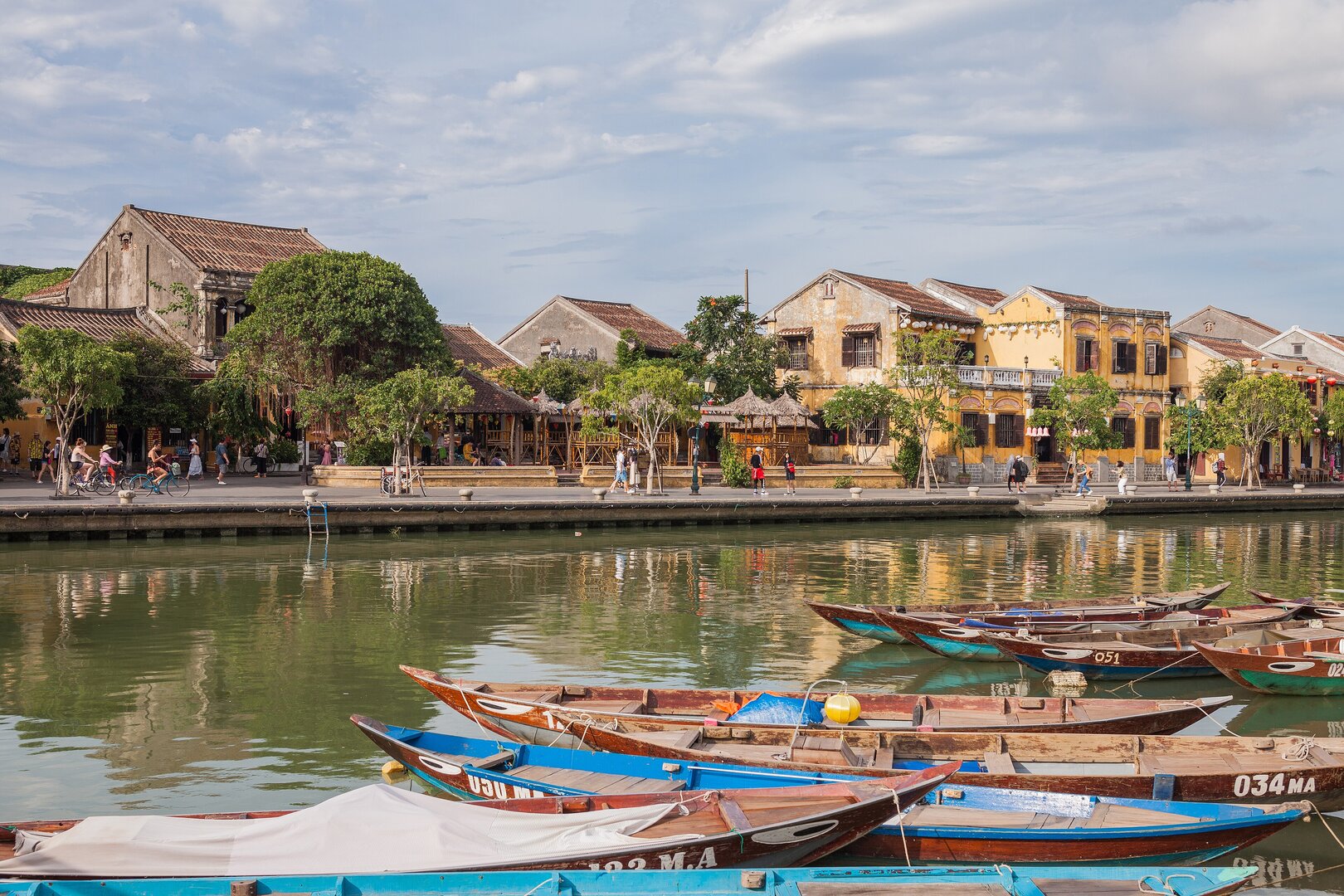
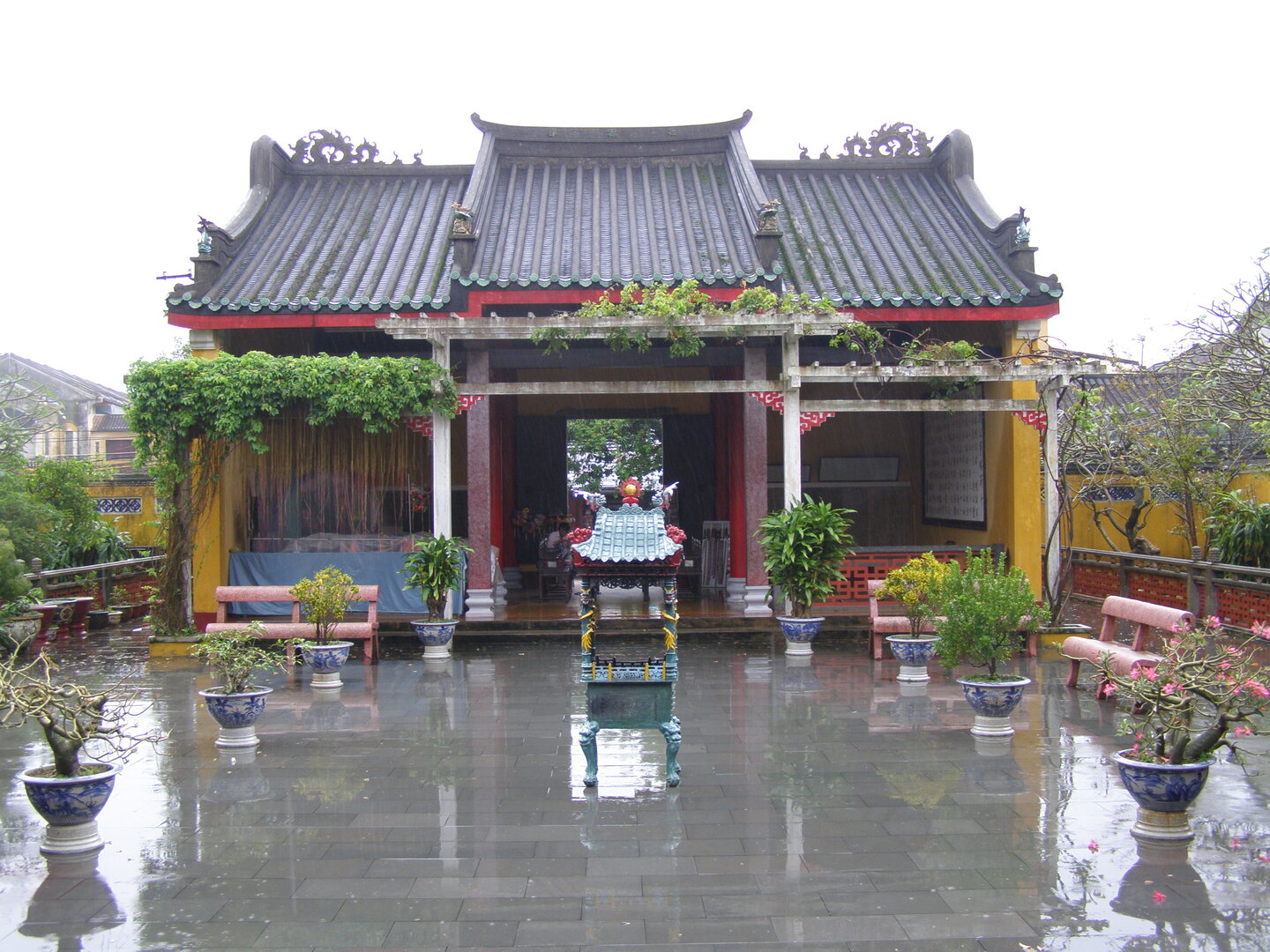
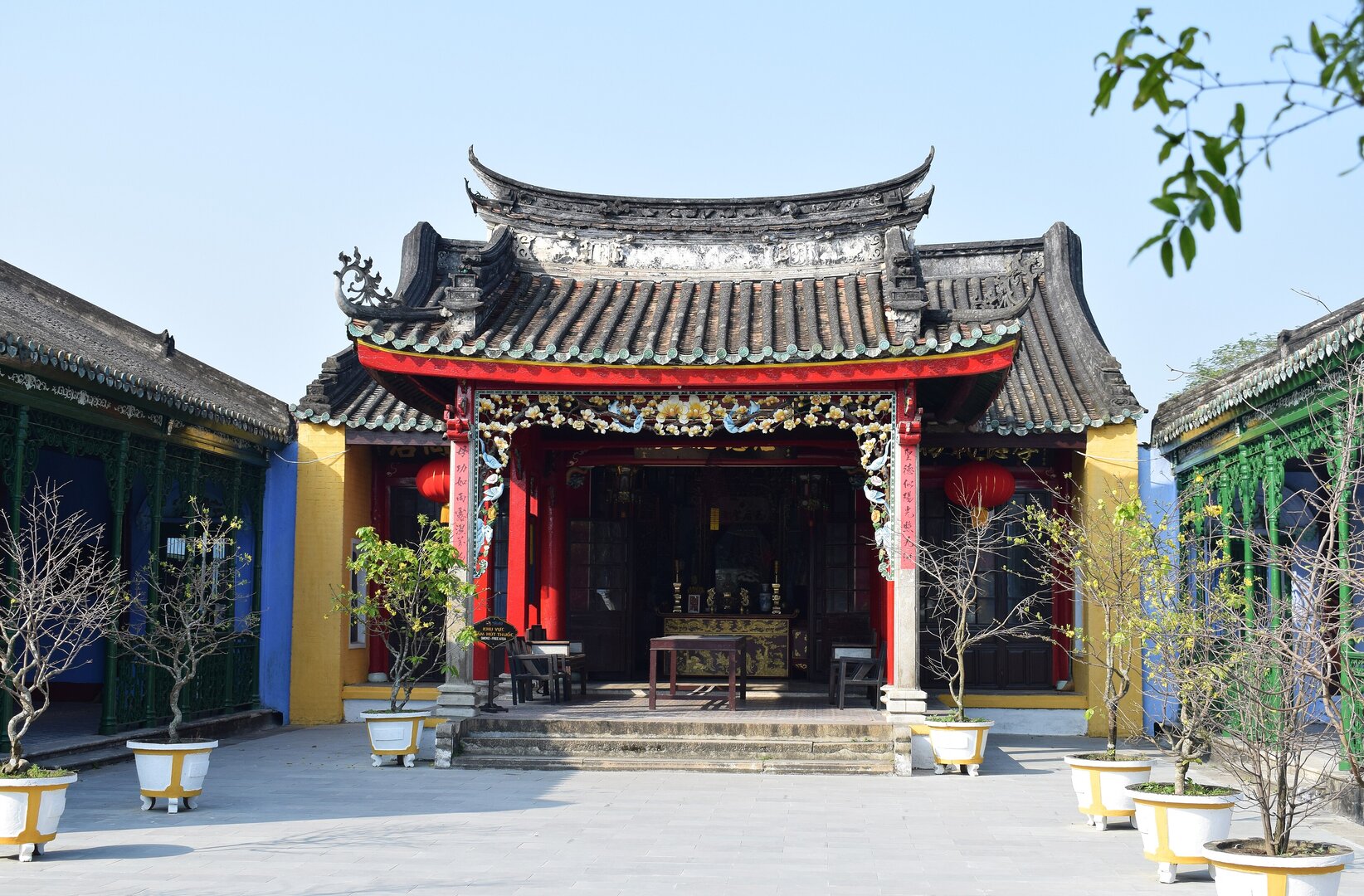
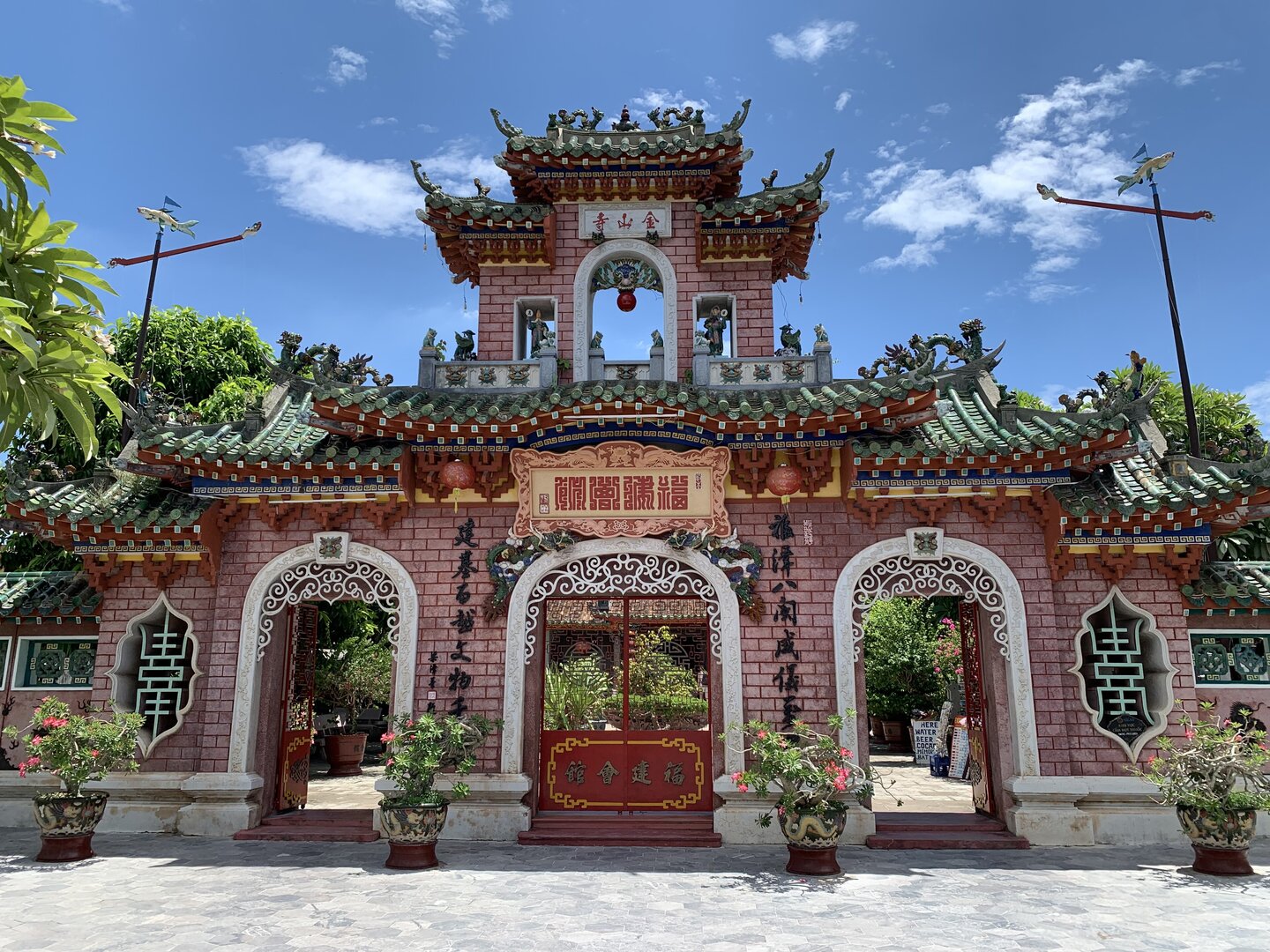
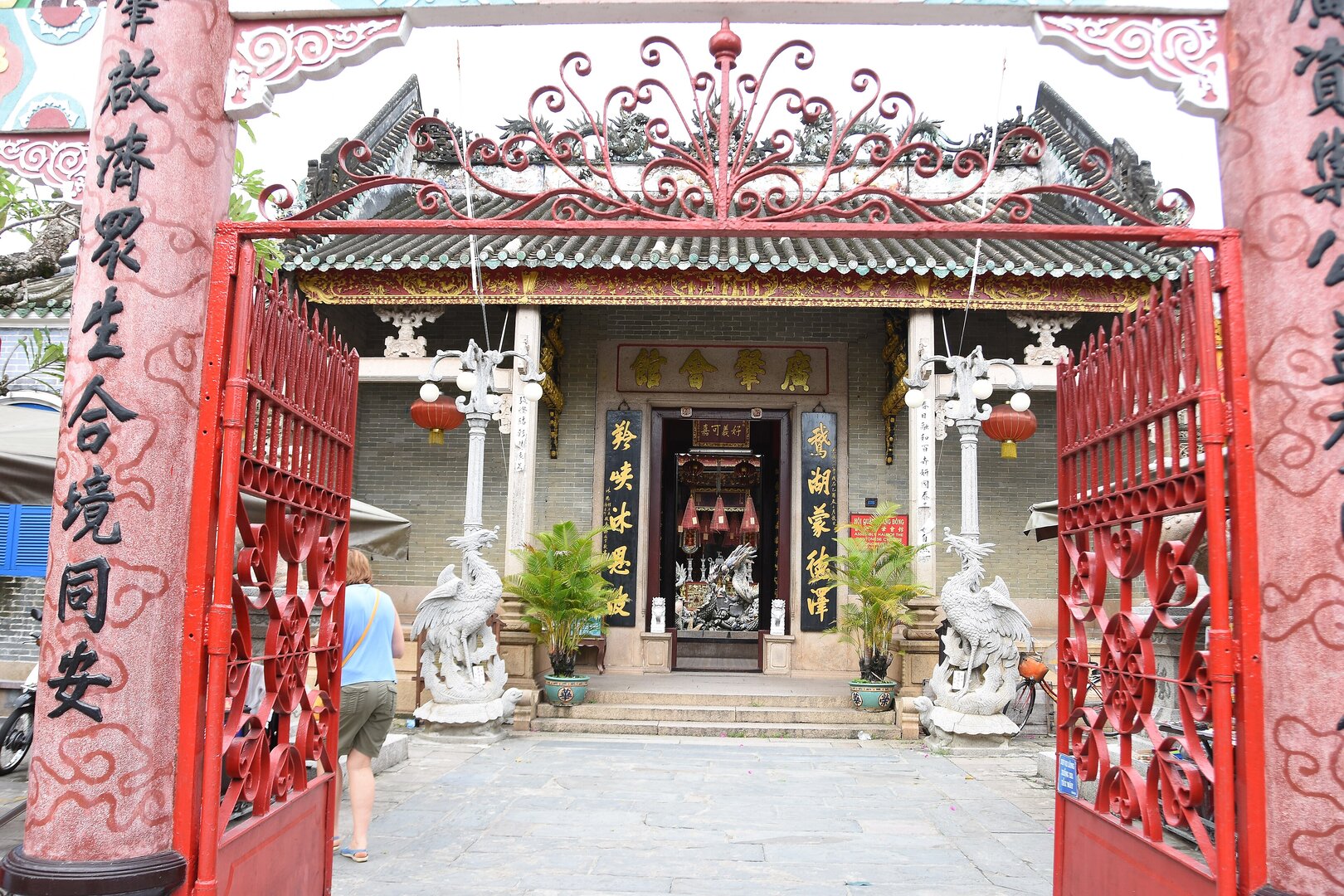
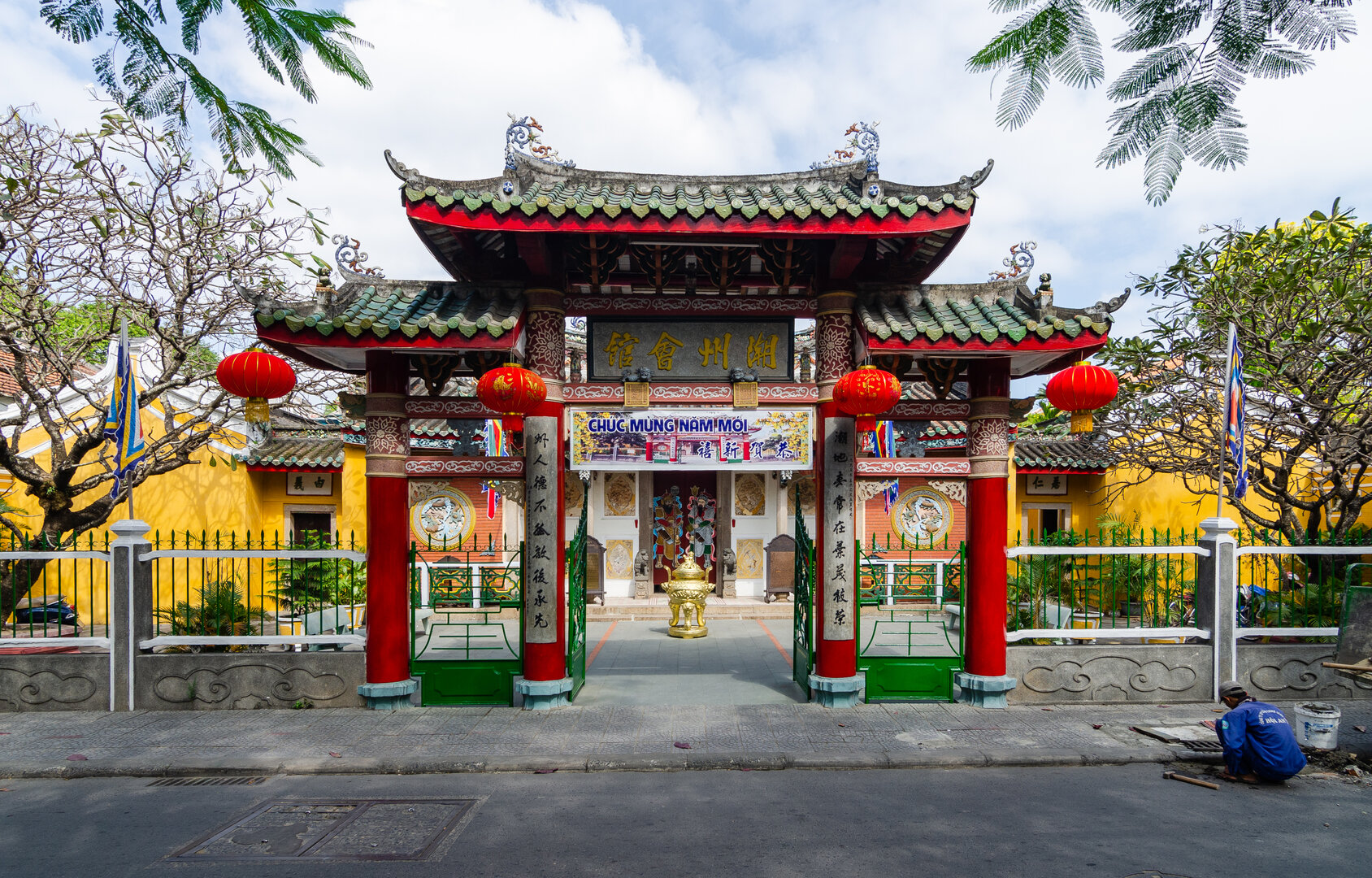
But Hội An is not that bridge. It is not a single house either, nor a gate with someone checking tickets. Hội An is a whole quarter on the lower reaches of the Thu Bồn river — which is why it has no street number, no closing time, and no single map pin that can stand for it. The heritage core covers only about thirty hectares, less than a third of a square kilometre, walkable in one part of a day. Inside that small patch of ground stand 1,107 structures under protection. That density is what is unusual about Hội An, rather than any one building. UNESCO inscribed it as a World Cultural Heritage site in late 1999; in 2009 Vietnam ranked it a special national relic in the very first round, alongside the Thăng Long Imperial Citadel, the old capital of Huế, the Mỹ Sơn temple complex and Hạ Long Bay.
Once a quarter has been inscribed, what does it live on? Have you ever wondered where the ticket you buy at the entrance actually goes? In Hội An it goes back into the very tiled roofs you have just walked past. More than half of the ticket revenue, depending on the source and the period, is set aside for restoring the relics — and the striking part is the share spent on privately owned old houses, where the state budget carries a large part of the restoration cost, and in some cases all of it. People call the arrangement letting the relics pay for the relics. And because it has to live with more than a thousand old roofs, this quarter has been on foot for over twenty years: four-wheeled vehicles are kept out all day, holidays included; motorbikes stop at the edge for most of the stretch when the streets are open to visitors; and those who live inside have a window in the middle of the day to ride home.
Keeping the roofs is not the same as keeping the people. About forty percent of Hội An natives have moved elsewhere to live and hold on to their houses in the old quarter to rent out for business; only around a third of those living inside are long-time residents. After the pandemic many old houses went up for sale, and some were damaged by fire once nobody was living in them. Then, every year, the water comes back. The largest recurring rhythm here is not a festival but the flood season: the streets go under, the relics close, ticket sales stop and the barriers come down so residents can move their belongings up to the loft — Hội An's old houses were built with exactly that in mind, their doors made to be lifted out. When the water drops, the quarter reopens. A quarter where nearly half the owners have moved away, and where things must be carried upstairs once a year, still keeps more than a thousand roofs in the same places. What do you think is holding them there — and would you like to see it for yourself?
Photographs
9 of 9 on fileSupanut Arunoprayote· CC BY 4.0 · source
Raita Futo· CC BY 2.0 · source
François Guerraz· CC BY-SA 3.0 · source
Dennis G. Jarvis· CC BY-SA 2.0 · source
Supanut Arunoprayote· CC BY 4.0 · source
Gary Todd (Gary Lee Todd, Ph.D.)· CC0 · source
YukioSanjo· CC BY-SA 4.0 · source
Chainwit.· CC BY 4.0 · source
lumoplank· CC0 · source
Enough to decide whether to go
- What this place is
- An old urban quarter on the lower Thu Bồn river — a living ward (an administrative unit below the city), not one single building
- Where
- Hội An, Đà Nẵng
- Recognition
- UNESCO World Cultural Heritage (1999); special national relic, first ranking round (2009)
- Density of relics
- 1,107 protected structures inside a heritage core of about 30 hectares
- See first
- Chùa Cầu — the structure still regarded as Hội An's Japanese trace, reopened after restoration in 2024 (verified 2026-09-06)
- Getting around and tickets
- Mostly on foot; cars kept out, motorbikes restricted for much of the day. The old quarter sells a sightseeing ticket (verified 2026-09-06)
From someone who has been
If you come somewhere between September and November, ask your accommodation first whether the streets are flooded — the rainy season is when relics close and ticket sales stop, reopening once the water drops. Outside that season the only thing to prepare is a pair of shoes you can walk in: no vehicle will carry you to the door, and that has been deliberate for more than twenty years.
Vibe
Tags
Source
The data on Hội An Ancient Town on this page was cross-checked on 6 Sep 2026 against several independent source layers. The pedestrian-street hours, the two-tier ticket scheme and ticket validity come from the Đà Nẵng city tourism portal (2026 version). The all-day car ban, the exception for residents' motorbikes 11:00–15:00, and the start date of 24 Jul 2004 come from Tuổi Trẻ newspaper (15 Oct 2024). The figure of 1,107 architectural monuments in the core zone and the breakdown of spending from ticket revenue come from Nhân Dân newspaper. The share of original residents who have moved away comes from Thanh Niên newspaper (15 May 2023) and Sài Gòn Giải Phóng (22 Nov 2024). The restoration and re-inauguration of the Chùa Cầu (Japanese Covered Bridge) on 3 Aug 2024 come from VTV (28 Jul 2024). The Sep–Nov flooding rhythm comes from Dân Trí newspaper (23 Nov 2025). Ranking as a special national monument under Decision 1272/QĐ-TTg of 12 Aug 2009 was read on the Government Electronic Information Portal. Three points we rejected and do not display: (1) the ticket scheme 'Vietnamese visitors 80,000 VND, foreign visitors 120,000 VND' that many travel sites still copy — it is an old scheme, and the 2026 version of the city's tourism portal prices tickets by ticket content, not by nationality; (2) the date of the UNESCO inscription, because four different values are currently in circulation (1 Dec, 4 Dec, 12 Dec 1999 and the closing day of the 23rd session) and UNESCO's original page could not be accessed, so we state only 'Dec 1999'; (3) the area figures of 2 km², 1.6 km² and 1 km² in circulation for the same concept — we use 30 ha of core zone and 280 ha of buffer zone according to the UNESCO dossier. After the administrative reform of 1 Jul 2025, the old quarter belongs to Hội An ward, Đà Nẵng city; we leave the ward blank for each house number because no source maps house numbers to the new units, and guessing is less honest than leaving it blank. Credit for each photo is placed directly beneath that photo.
Place data is compiled from many sources across the internet by a team of automated AI agents that collect, enrich, check, challenge, score, edit, review and verify it.

Ratings & comments
Anyone can read. Sign in to rate, comment and like.