Xã An Nhơn Tây, TP. Hồ Chí Minh · Religious site
Ben Duoc Memorial Temple
Picture yourself on the forest path through the Bến Dược area of the Củ Chi Tunnels, a name you have probably heard before. At the end of the path stands a temple carved with more than forty-five thousand names.
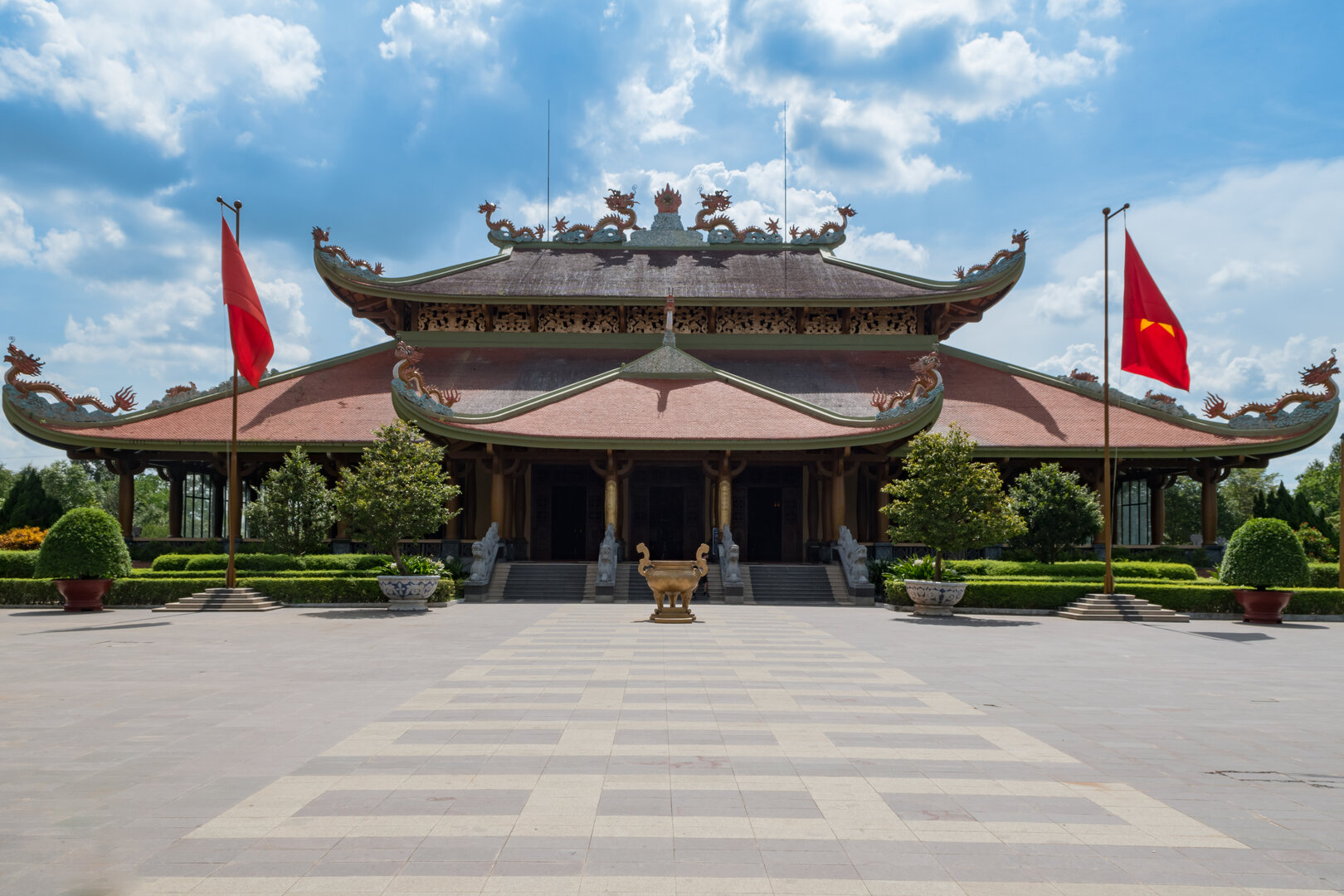
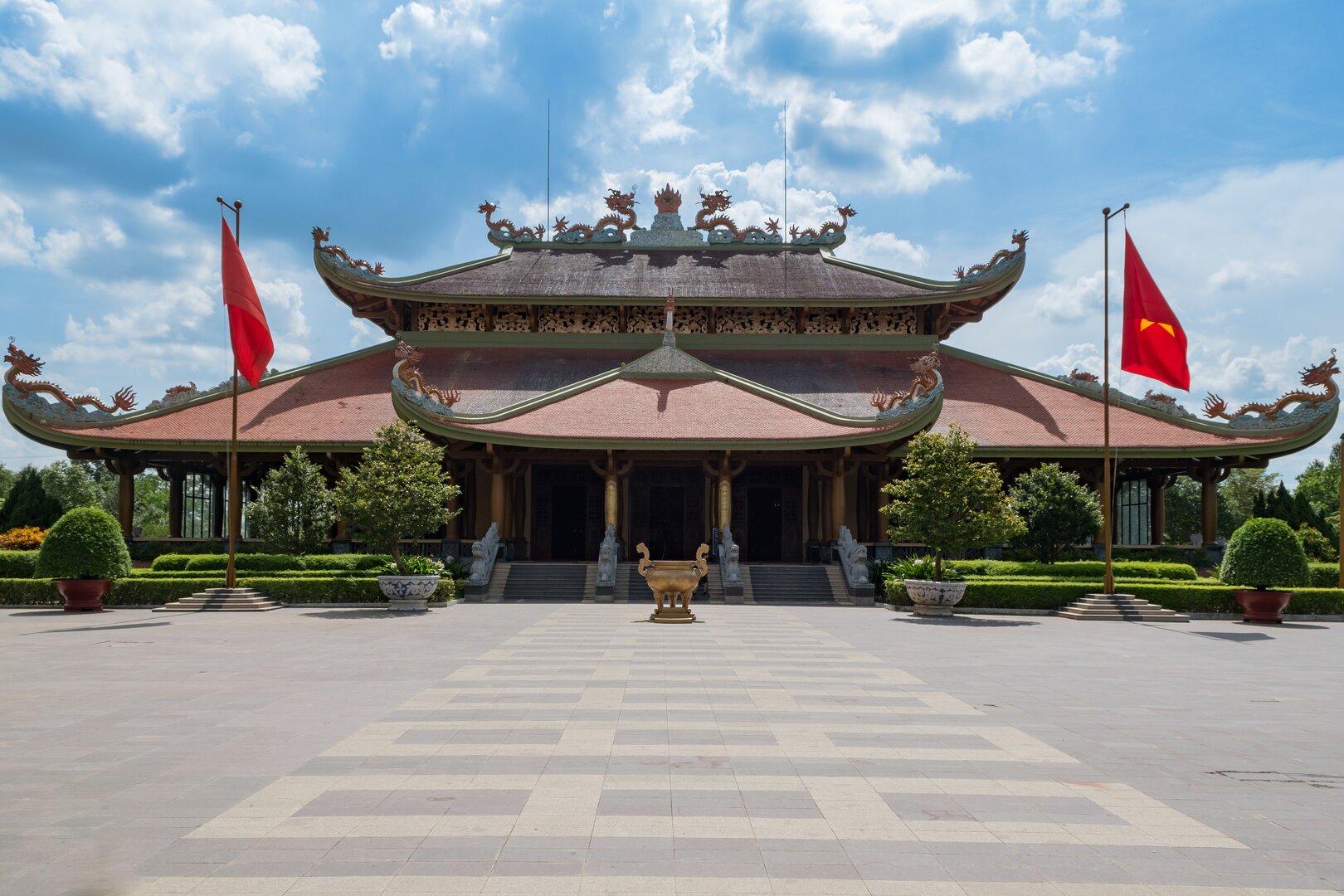
Picture yourself on the forest path through the Bến Dược area of the Củ Chi Tunnels, a name you have probably heard before. At the end of the path is a tam quan gate, the three-entrance gateway of a traditional Vietnamese village communal house, with round columns and a curved roof of interlocking yin-yang tiles. Beyond the gate is a temple, and on its granite walls are more than forty-five thousand names, gilded in gold. Every day, people come here to look for one of them.
More than forty-five thousand names, and someone comes looking every day
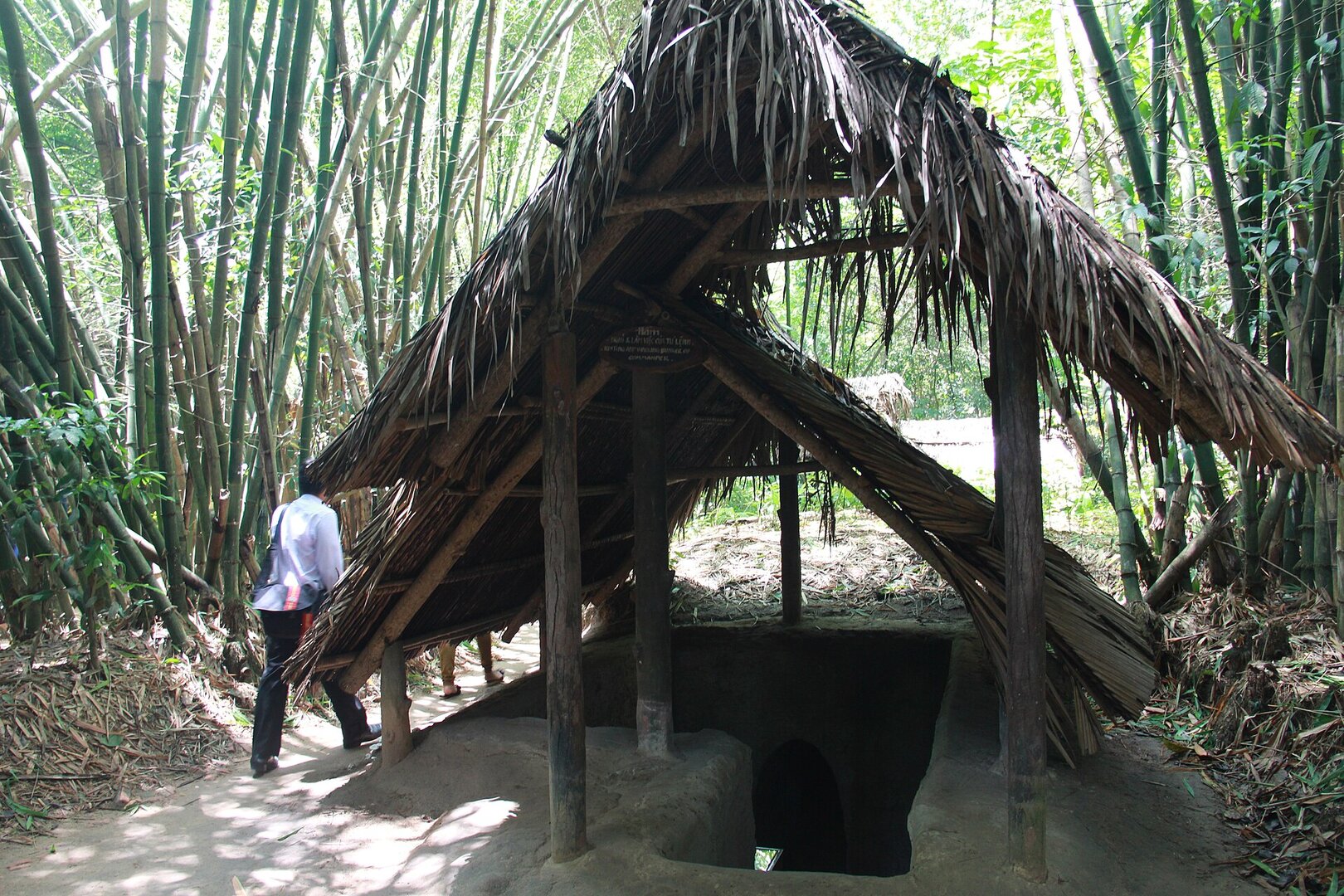
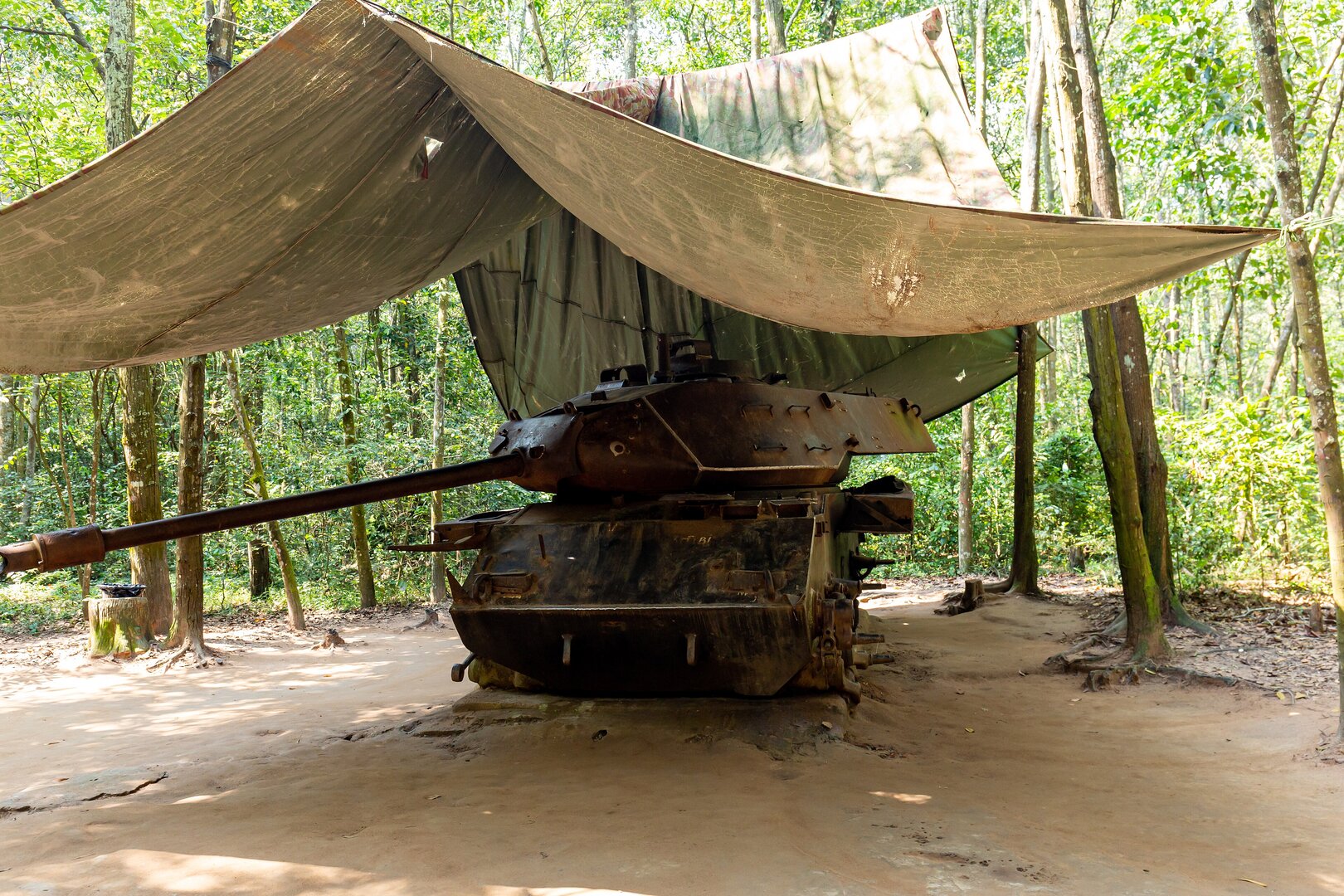
This is the Bến Dược Martyrs' Memorial Temple, usually called simply Đền Bến Dược (Ben Duoc Memorial Temple). It honours the civilians and soldiers who fought and died in Sài Gòn – Chợ Lớn – Gia Định, the historic Saigon region, during both resistance wars, first against the French and then against the Americans. Construction began in 1993. The first phase was inaugurated on 19 December 1995, and the temple has welcomed people coming to remember ever since. 19 December is now the Traditional Day of the relic site. The temple stands in the middle of the “Iron Triangle” (Tam giác sắt), on the land of the Bến Dược tunnels themselves, which once served as the base of the regional Party Committee and the Military Region Command of Sài Gòn – Chợ Lớn – Gia Định. The name Bến Dược dates from 1929. In the past this was the place where people crossed the Saigon River to reach the provinces of the Southeast.
The gate columns carry a couplet by the poet Bảo Định Giang: “Trải tấm lòng son vì đất nước / Đem dòng máu đỏ giữ quê hương”, roughly “Lay open a loyal heart for the country / Give red blood to guard the homeland”. Inside, the flower garden was laid out on ground that war had left barren and full of bomb craters, and it now blooms all year round. The stele house holds a stone tablet 3 m tall, cut from Ngũ Hành Sơn stone (the Marble Mountains of Đà Nẵng). It bears the inscription “Đời đời ghi nhớ” (“Remembered Forever”) by the poet Viễn Phương, which was chosen in a competition that drew 217 entries from 29 provinces and cities. The main hall is laid out in a U shape. At its centre is the Altar of the Fatherland with a statue of President Hồ Chí Minh. On either side are altars to the founding ancestors and fallen forebears (tiền hiền tiên liệt) and to those who died whose names have never been found. The martyrs' names are carved on two walls: the left wall for civilians, government and Party cadres (Dân Chính Đảng), the right wall for the armed forces. Three other walls of the temple carry a ceramic mosaic telling the history of the nation, which the Vietnam Book of Records recognised in 2005. Outside stands a nine-storey memorial tower, 39 m tall, and from its top the view opens over the Iron Triangle. In the park on the river side behind the temple is “Hồn thiêng đất nước” (“Sacred Soul of the Nation”), a 16 m stone shaped like a falling tear. Seen as a whole, it looks like a pen writing on the sky.
So what does this heritage still mean today? The answer is right there on the walls: many of the people named there were not yet twenty years old. How old are you? This is the largest martyrs' memorial temple in Ho Chi Minh City, but it is not only there to be looked at. It is open, and it still does the work it was built for. Visitors walk the forest path to offer incense. Families and former comrades come to search for names, and the temple's management board helps them look. On 27 July, Vietnam's Day of War Invalids and Martyrs, city leaders come to lay flowers and offer incense. More than forty-five thousand names are still being read. When you stand before those two stone walls, which name will make you stop?
Photographs
10 of 10 on filedronepicr· CC BY 2.0 · source
Phương Huy· CC BY-SA 4.0 · source
Liftold· CC BY-SA 3.0 · source
dronepicr· CC BY 2.0 · source
Phương Huy· Public Domain (PD-self) · source
Liftold· CC BY-SA 3.0 · source
trungydang· CC BY 3.0 · source
dronepicr· CC BY 2.0 · source
Phương Huy· Public Domain (PD-self) · source
dronepicr· CC BY 2.0 · source
Enough to decide whether to go
- What it is
- The largest martyrs' memorial temple in Ho Chi Minh City, in the Bến Dược area of the Củ Chi Tunnels
- Most worth seeing
- The two walls of martyrs' names, the ceramic mosaic, the nine-storey tower, the “Sacred Soul of the Nation” stone
- Today
- Open, welcoming visitors to pay respects and offer incense, with help searching for martyrs' names (verified 08/10/2026)
- Tickets and hours
- Tickets are sold for entry to the relic site. Open during the day, every day, on the relic site's shared hours
- Heritage status
- The whole tunnel site was ranked a Special National Relic in 2015
- Address
- Ấp Phú Hiệp, xã An Nhơn Tây, TP.HCM (Phú Hiệp hamlet, An Nhơn Tây commune, Ho Chi Minh City; formerly part of Củ Chi district)
From someone who has been
If you are coming to look for the name of a relative or a comrade, ask the temple's management board, because they help with the search. If you only know the Củ Chi Tunnels for the tunnels, keep going along the forest path to the temple. There you can read the names of the people who made that place what it is.
Vibe
Tags
Source
Most of the facts about the temple (its name, meaning, the groundbreaking date of 19 May 1993, the three-gate entrance and the couplets of Bảo Định Giang, the stele house, the U-shaped altar hall, the 9-storey tower, the 9 exhibition spaces, the 'Hồn thiêng đất nước' (Sacred Soul of the Nation) symbol, the garden, people coming to look for names, opening hours and phone number) come from the website of the Củ Chi Tunnels Historical Relic Site Management Board, the body that operates the temple, read on 8 Oct 2026. These pages carry no publication date, and the hours of 7:00–17:00 are the hours for the whole site. The inauguration of phase I (19 Dec 1995), the site's Traditional Day, the figure of more than 45 thousand martyrs' names and the Vietnam Records recognition of the ceramic mural in 2005 come from Quân khu 7 newspaper (20 Dec 2020). Sài Gòn Giải Phóng newspaper gives the description 'the largest martyrs' memorial temple in Hồ Chí Minh City' and the news of the incense-offering ceremony on 27 Jul 2026; an SGGP article of 16 Feb 2021 gives the detail that many martyrs were not yet 20 years old and that the Bến Dược tunnels once served as a base of the Regional Party Committee. That the site sells tickets and that visitors offer incense in the temple come from VnExpress (11 Apr 2025). The decision ranking the whole Củ Chi Tunnels site as a special national monument comes from Thanh Tra newspaper (23 Dec 2015). The origin of the name Bến Dược and the managing body draw on Vietnamese Wikipedia; the coordinates were checked against Wikidata. Rejected: 'largest in Vietnam' (Wikipedia gives no source; the press says only largest in Hồ Chí Minh City); the inauguration year of 1975 on English Wikipedia (wrong, it was 1995); the ranking year of 2016 (that was the year of the certificate ceremony; the decision was issued in 2015); the exact number of martyrs' names (four sources give four figures, and the list is still being added to); the weight of the stele and the statue (sources contradict each other); the theory that 'Bến Vượt was a mispronunciation' (found only on one commercial blog). The ticket price has not been settled because no price list was found on the official site. Photos come from Wikimedia Commons: dronepicr (CC BY 2.0), Phương Huy (public domain and CC BY-SA 4.0), Liftold (CC BY-SA 3.0), trungydang (CC BY 3.0, original photo from Panoramio); the licence of each photo was re-checked on its file page on 8 Oct 2026.
Place data is compiled from many sources across the internet by a team of automated AI agents that collect, enrich, check, challenge, score, edit, review and verify it.
Ratings & comments
Anyone can read. Sign in to rate, comment and like.