Dinh II
Đà Lạt, Lâm Đồng
Compiled by AI · source-checked
- Meaning
- Moments
- Plan your visit
Meaning
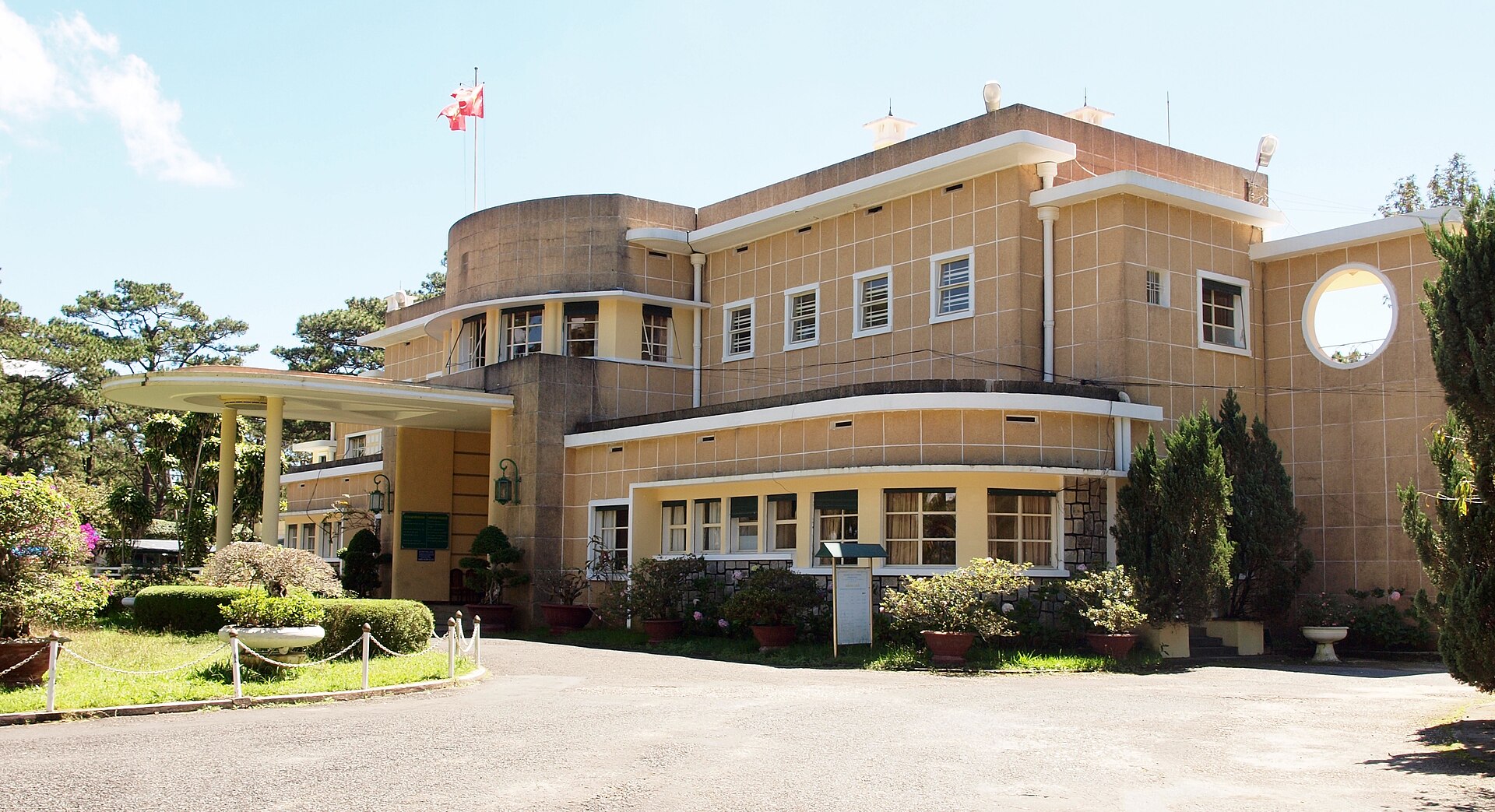
A summer residence built in 1933–1937 on a pine hill off Trần Hưng Đạo street, once the summer home of Indochina's Governor-General Jean Decoux, now a guesthouse of the Lâm Đồng Provincial People's Committee.
Moments
Plan your visit
12 Trần Hưng Đạo, phường Xuân Hương – Đà Lạt, Lâm Đồng
Practical details
Highlights
Planning
- After 1975 the palace became a central government guesthouse. Today it is a guesthouse of the Lâm Đồng Provincial People's Committee, with accommodation, used for conferences and the province's guests. Vietlume has not found any page from the operator giving a visiting schedule, opening hours or tickets, so none are listed. It is also not established whether the palace is a ranked heritage site.
Atmosphere
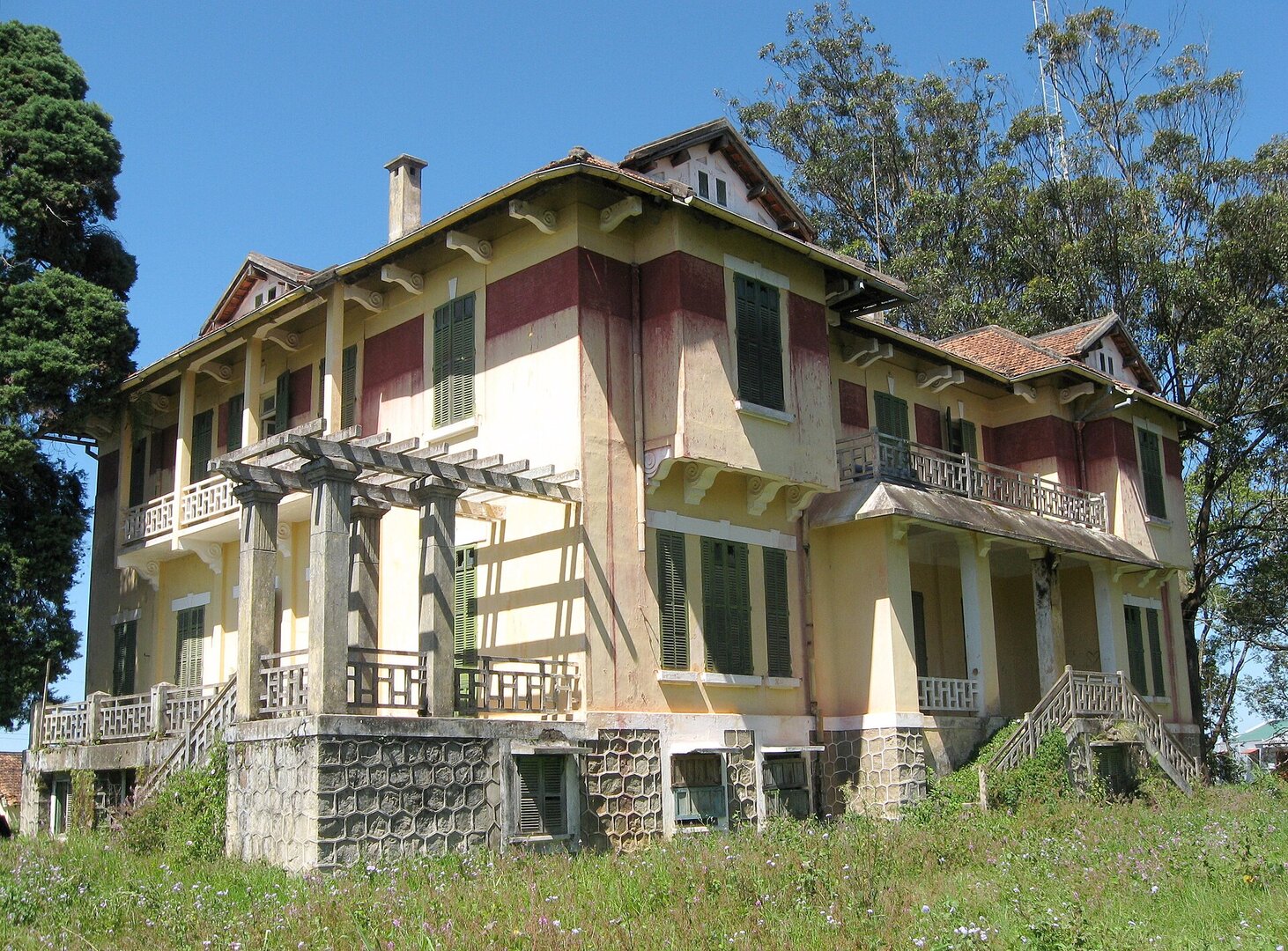
- Dinh II, also known as Dinh Toàn quyền (the Governor-General's Palace), was built from 1933 to 1937. It was where Indochina's Governor-General Jean Decoux lived and worked every summer, from May to October. At the end of 1958 the palace was handed to presidential adviser Ngô Đình Nhu and his wife Trần Lệ Xuân as their holiday residence. General Nguyễn Khánh also once chose it as his headquarters during the holiday season. Legend has it that a secret tunnel connects to the palace, but sources disagree on who dug it and how long it is.
Popular for
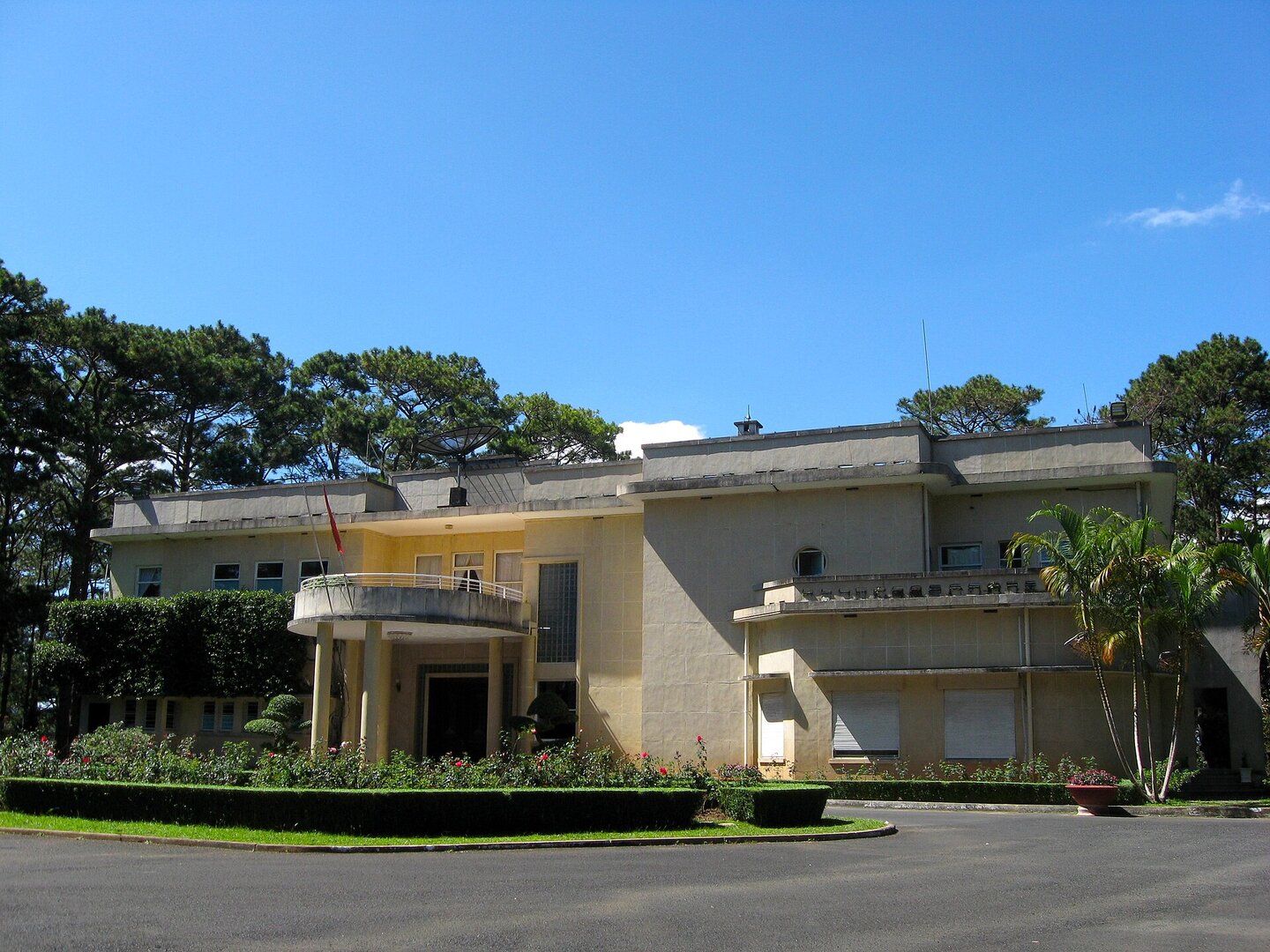
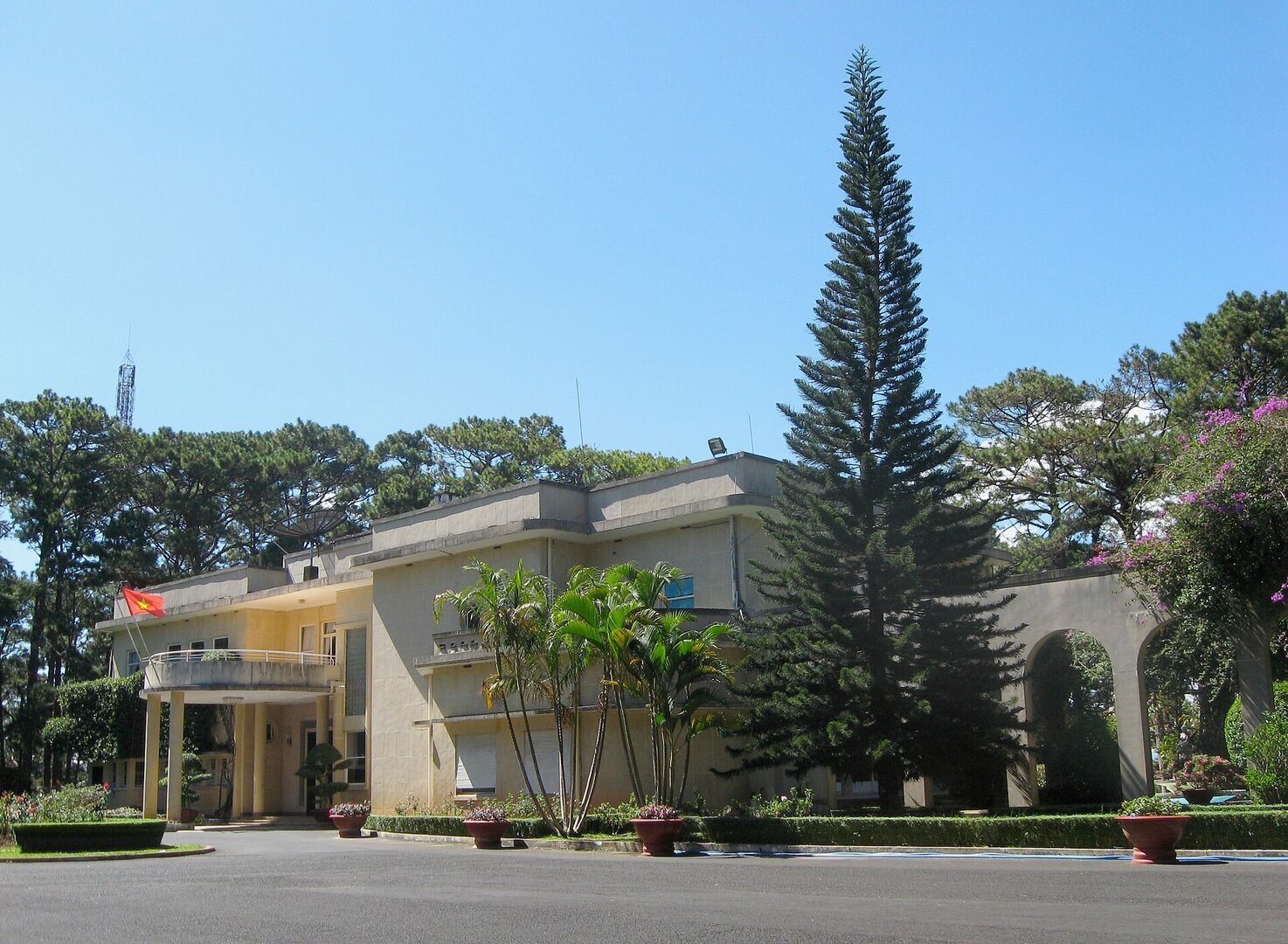
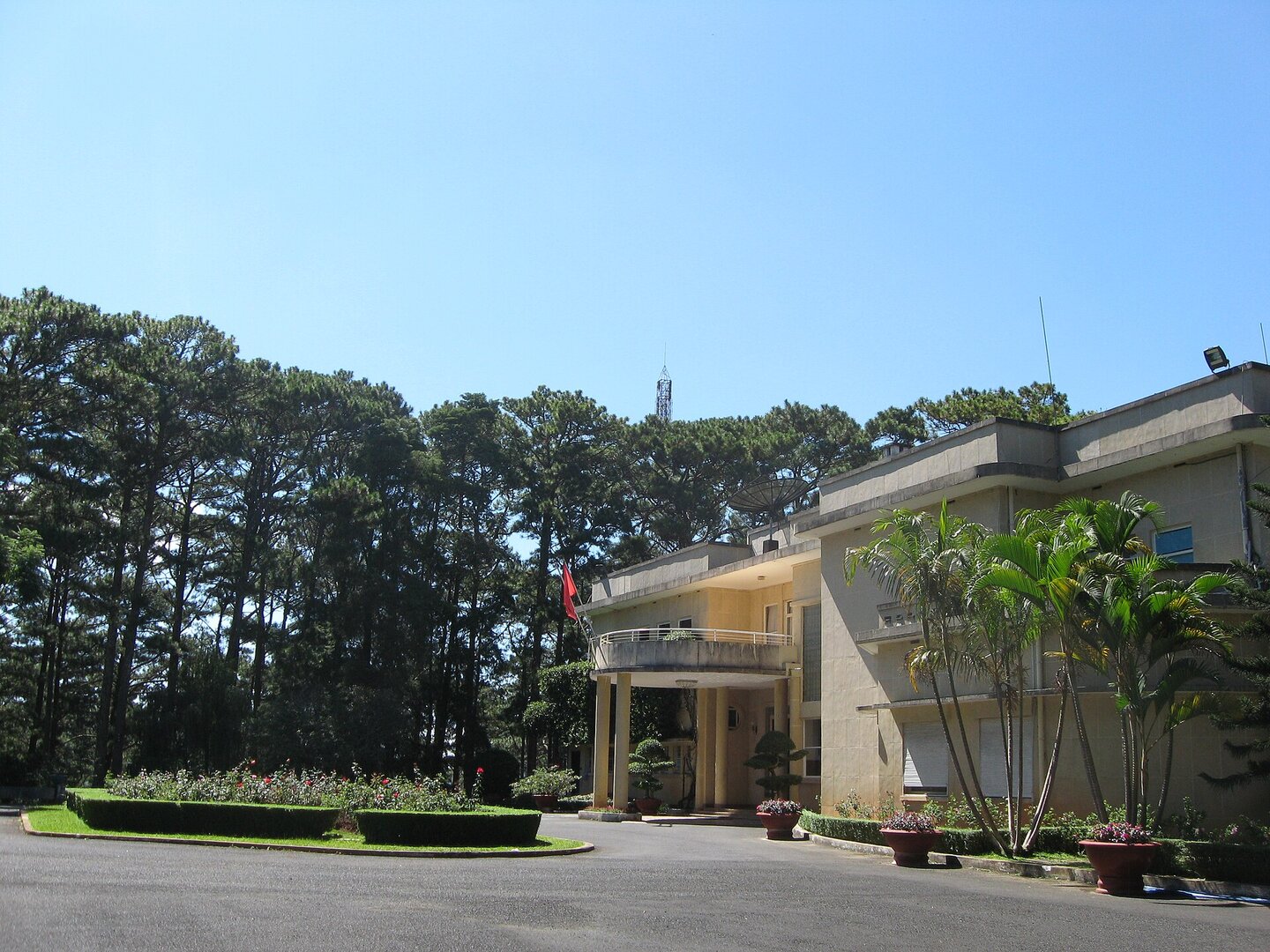
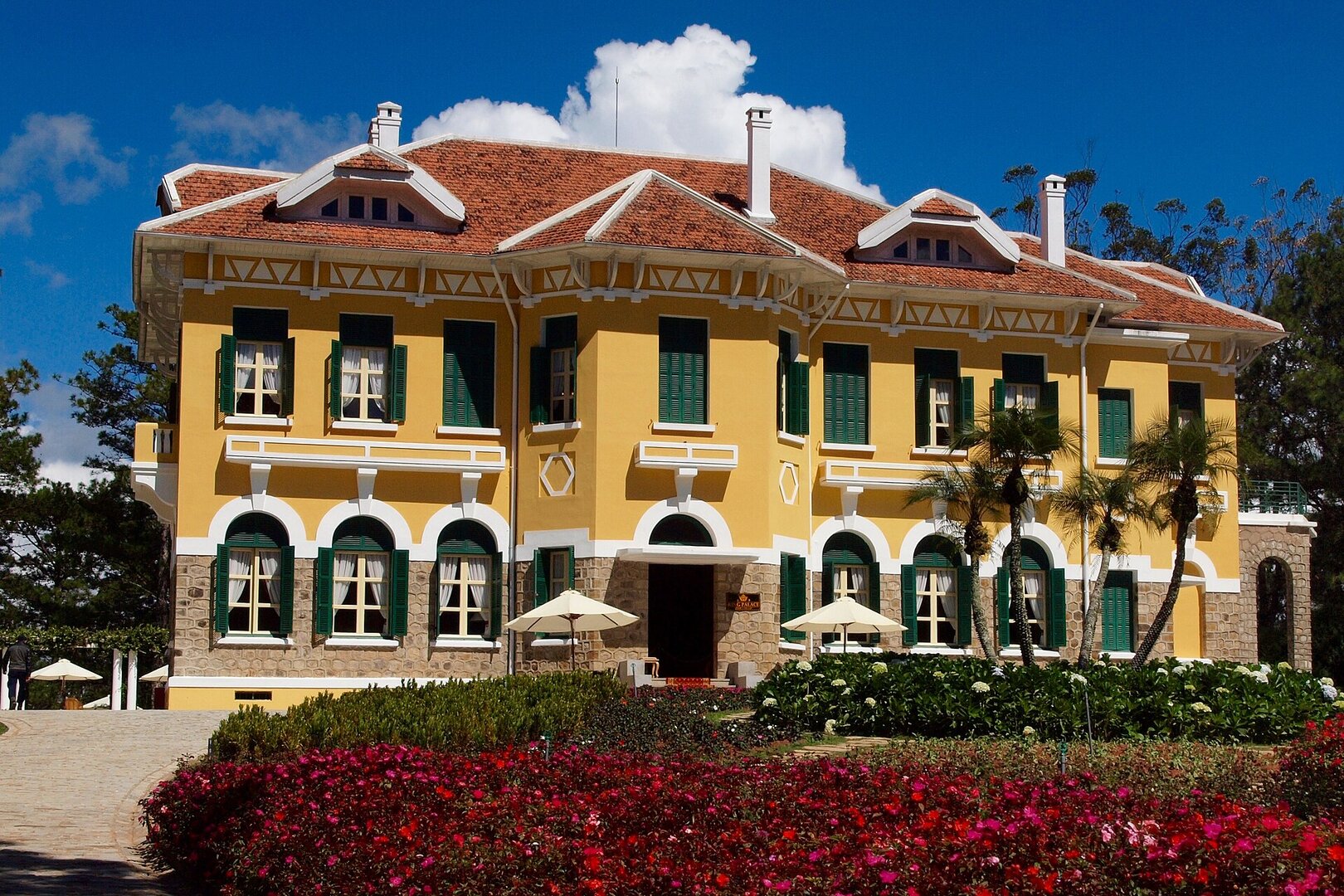
- What there is to see at Dinh II is the architecture. The building is like a small castle with 25 rooms, massive flat roofs and large volumes that are balanced but not symmetrical, following the European modernist movement of the 1920s–1930s, unlike the neoclassical style of Dinh I. The outer walls are faced with light-coloured washed stone (đá rửa), and parts that would normally be wooden were replaced with metal brought from France. The palace sits on a pine hill beside Trần Hưng Đạo street, looking down on Xuân Hương lake. To the right of the palace is an open-air courtyard with a fountain and a gilded statue of Venus (same source).
Service options
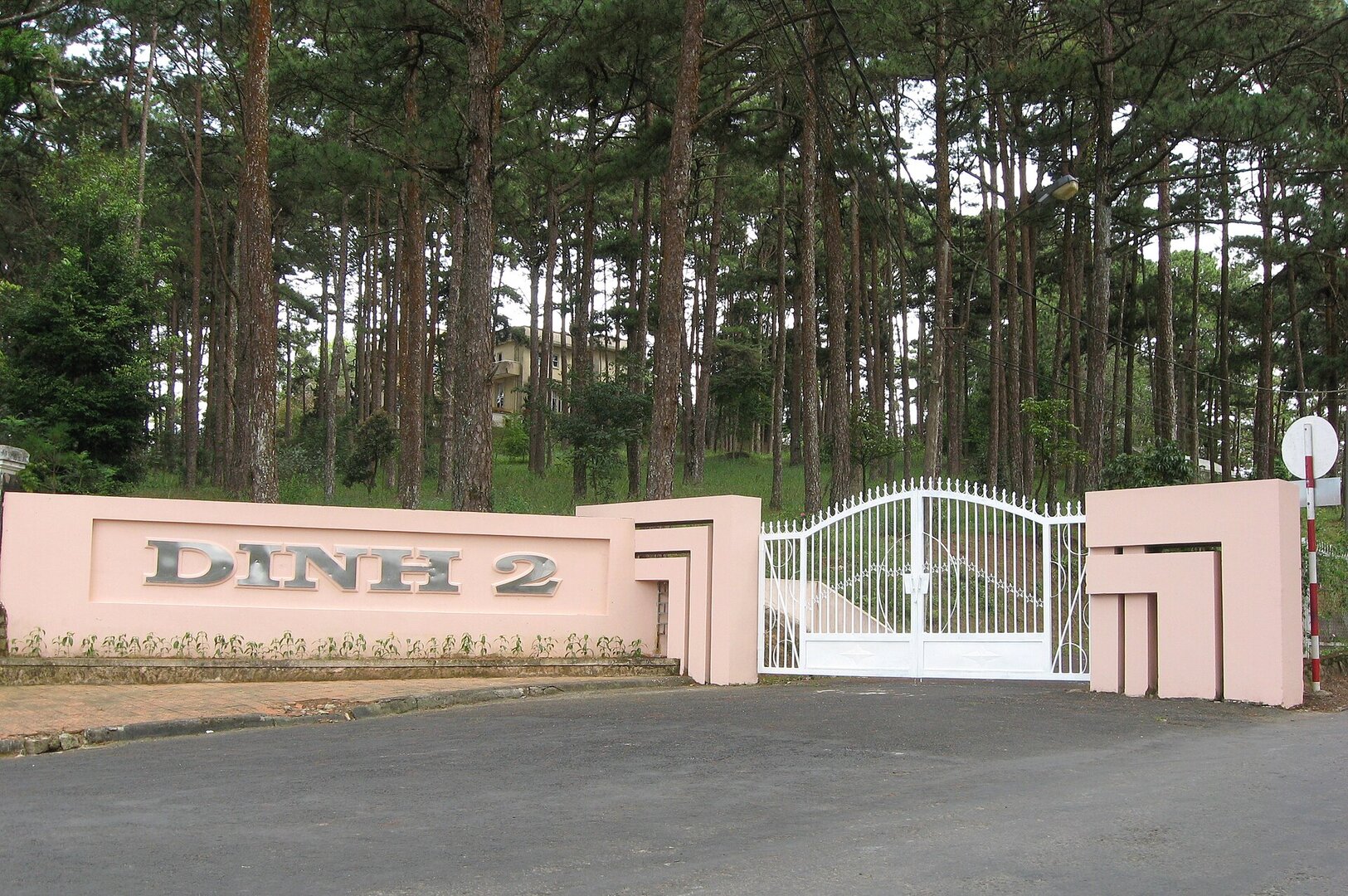
- The palace is at 12 Trần Hưng Đạo, Xuân Hương – Đà Lạt ward, about 2 km south-east of central Đà Lạt. The house number comes from the travel site mia.vn and from a sign in the grounds photographed in 2011 on Wikimedia Commons.
Source
Last verified 8 Nov 2026
- History
- Wikipediabaophapluat.vn · checked 8 Nov 2026
- Address & location
- Wikipediamia.vnOpenStreetMap · checked 8 Nov 2026
All 4 sources
- Wikipediaopen encyclopedia
History · Address & location · Name · Other details · checked 8 Nov 2026
- baophapluat.vnnewspaper
History · checked 8 Nov 2026
- mia.vnguide & reviews
Address & location · checked 8 Nov 2026
- OpenStreetMapopen data
Address & location · checked 8 Nov 2026
Read the full note
Facts about Dinh II were checked on 8 Nov 2026. Identity and coordinates were matched against OpenStreetMap (the building 'Dinh Toàn Quyền', alternative name 'Dinh 2') and Wikidata. The following come from two Vietnamese Wikipedia articles, 'Dinh II' and 'Kiến trúc Đà Lạt': the construction dates 1933–1937, its role as the summer residence of Governor-General Jean Decoux, the story of General Nguyễn Khánh, the architectural description (25 rooms, flat roofs, asymmetrical volumes, washed stone, metal from France, the fountain with a statue of Venus) and its current use as a guesthouse. The end-of-1958 handover to Ngô Đình Nhu and his wife comes from Báo Pháp luật Việt Nam. Its role as a guesthouse of the Provincial People's Committee is also confirmed by Người Quan Sát newspaper (2025). The house number 12 Trần Hưng Đạo comes from the travel site mia.vn and from a sign in a Wikimedia Commons photo taken in 2011. The ward name Xuân Hương – Đà Lạt was checked against OpenStreetMap Nominatim and Wikipedia. The following were rejected. The name 'Dinh Bảo Đại': Bảo Đại's palace is Dinh III. The names of three architects: they appear only on one blog and are likely mixed up from Dinh III. The 'neoclassical' label. The claim that it was 'the first building in Vietnam to use washed stone'. An area of 26 ha or 10 ha. A basement. The year 1964 attached to General Nguyễn Khánh. Who dug the tunnel and how long it is. Opening hours and ticket price: these appear only on a travel blog, not from the operator. Not established: whether the palace is a ranked heritage site, and whether visitors can go inside today. Photos by Diane Selwyn on Wikimedia Commons, licensed CC BY-SA 3.0 and public domain, taken in 2011.
Source-checked by Vietlume: compiled by AI from public sources, then checked against each source above before publishing.
Star ratings & comments
Anyone can read. Sign in to rate, comment and like.