Hàn (Han) Market
Đà Nẵng
Compiled by AI · source-checked
- Meaning
- Moments
- Plan your visit
Meaning
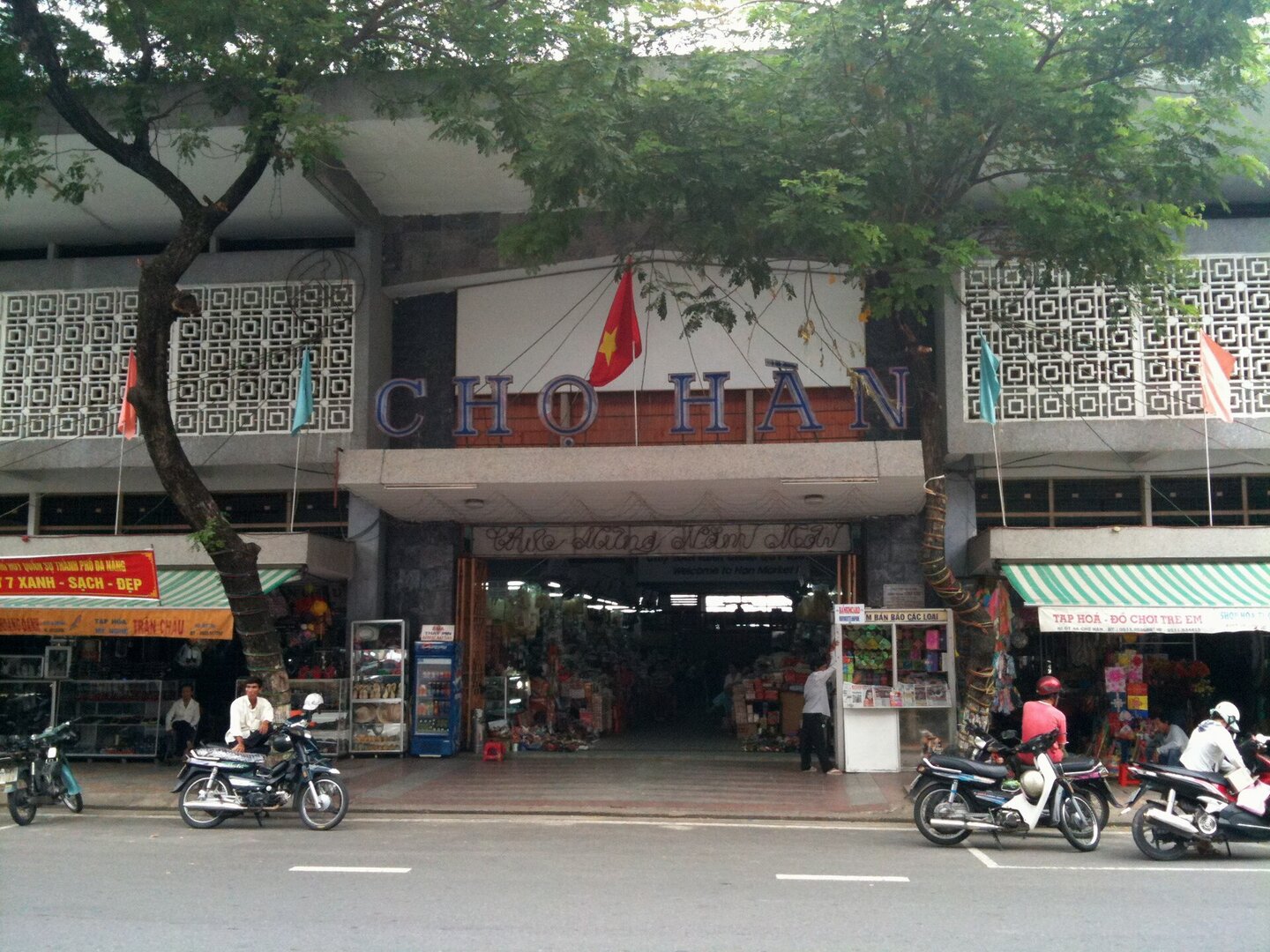
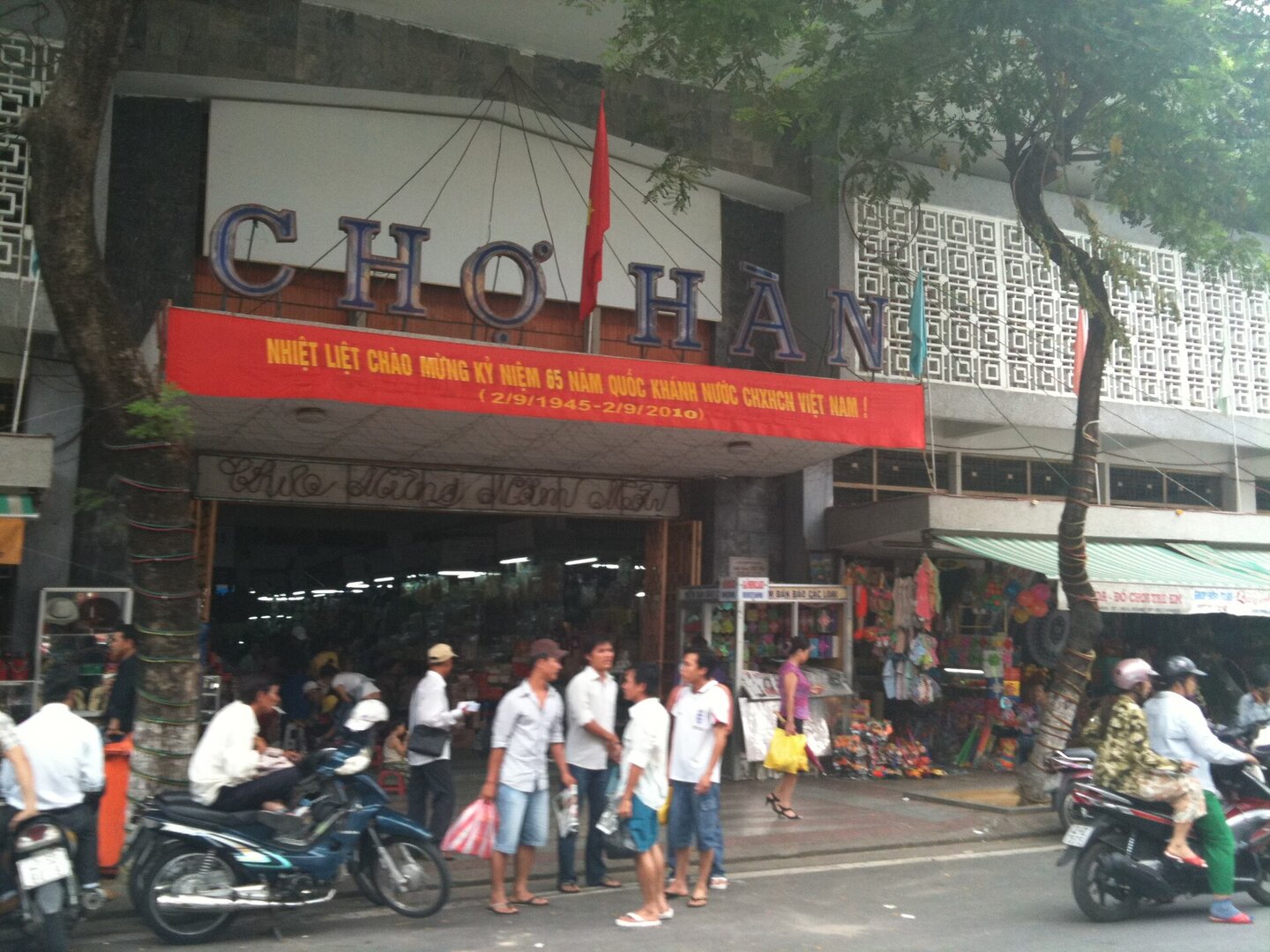
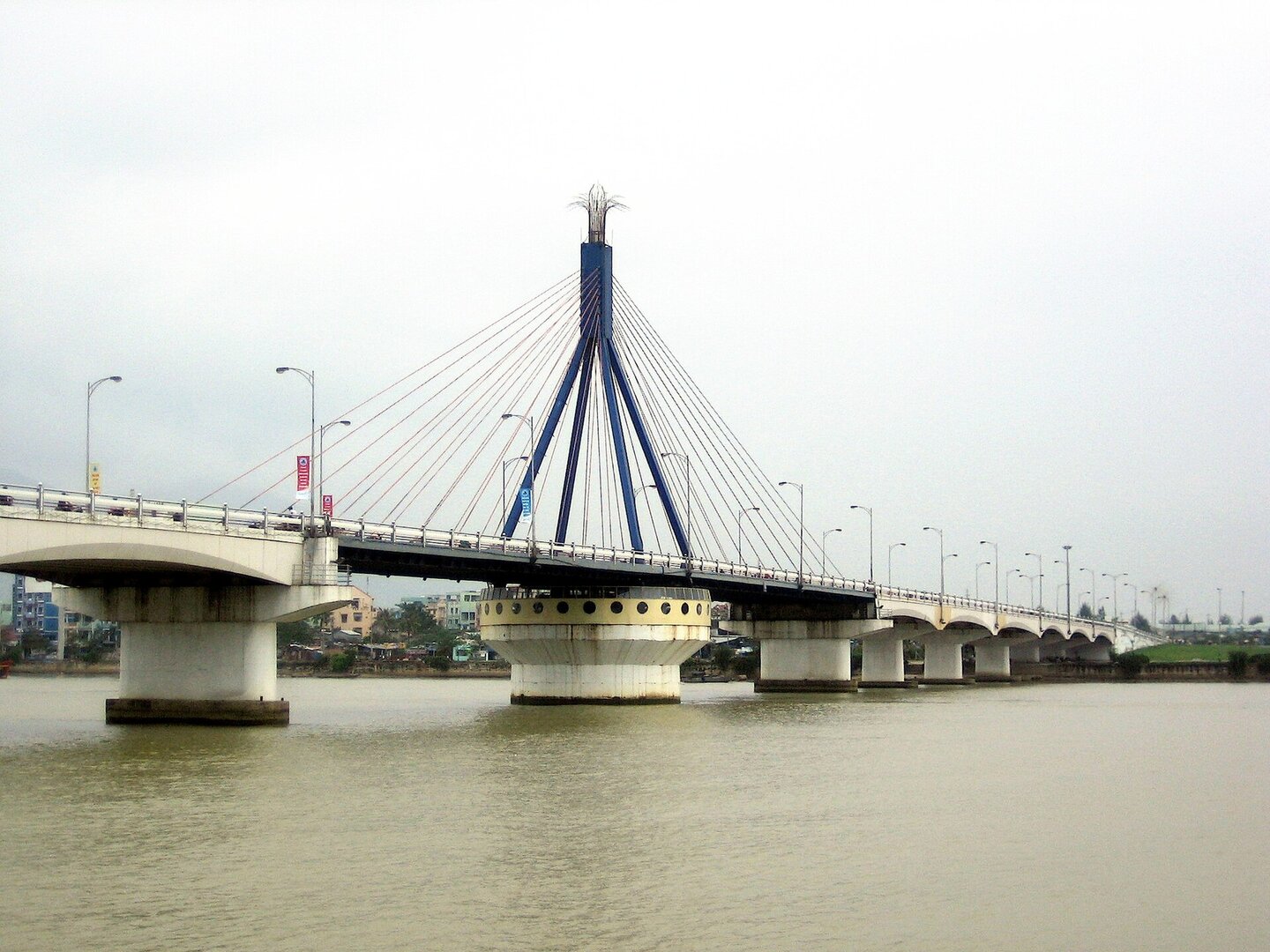
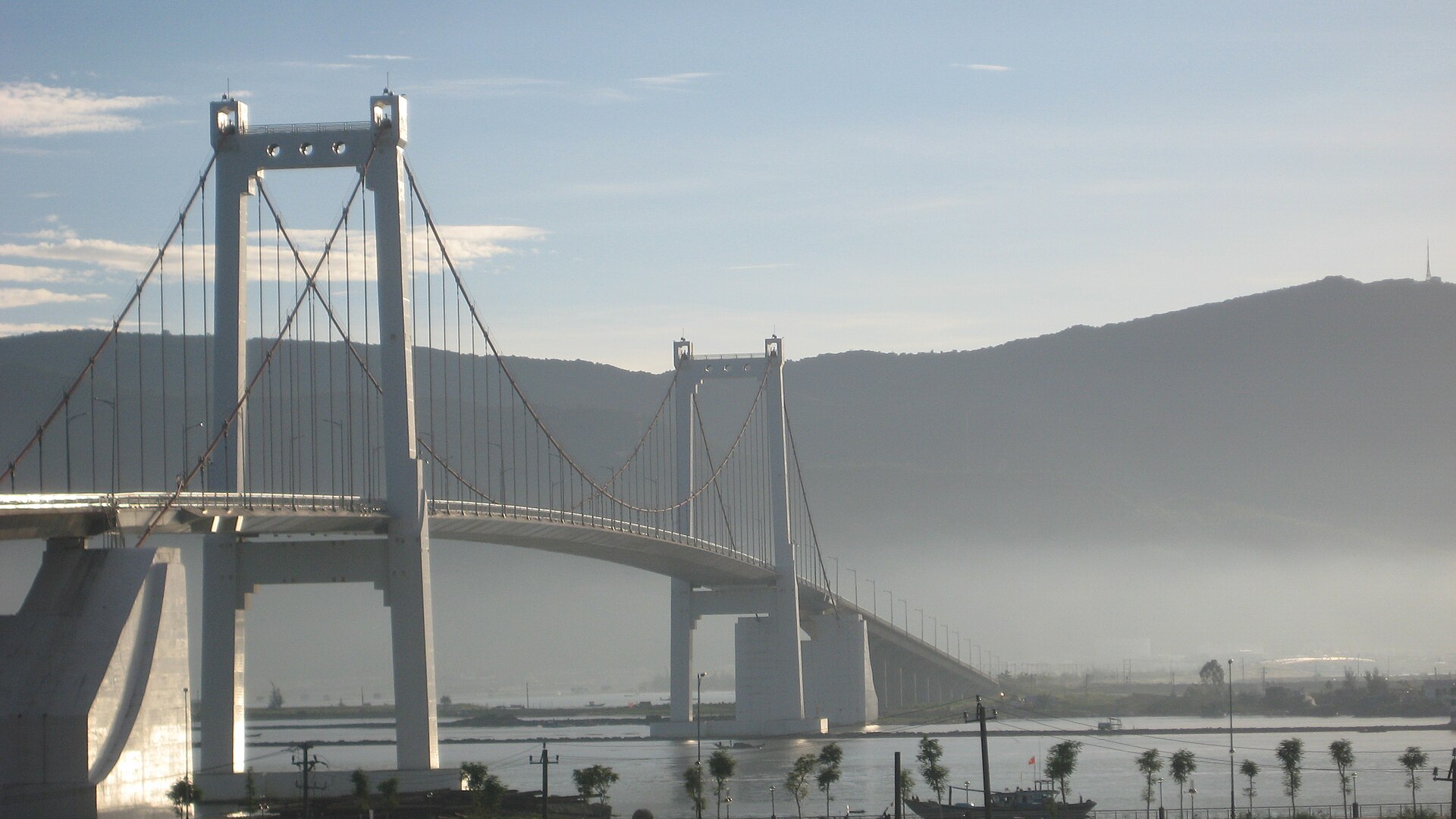
The central market of Đà Nẵng near the Hàn River swing bridge, where people buy mắm nêm (fermented anchovy dipping paste), dried goods to take home as gifts, and have an áo dài (Vietnamese long dress) made while they wait. The two-storey market hall opened in 1991, on a market whose name already appears on a 17th-century route map.
Moments
Plan your visit
119 Trần Phú, Đà Nẵng
Practical details
Highlights
Crowd
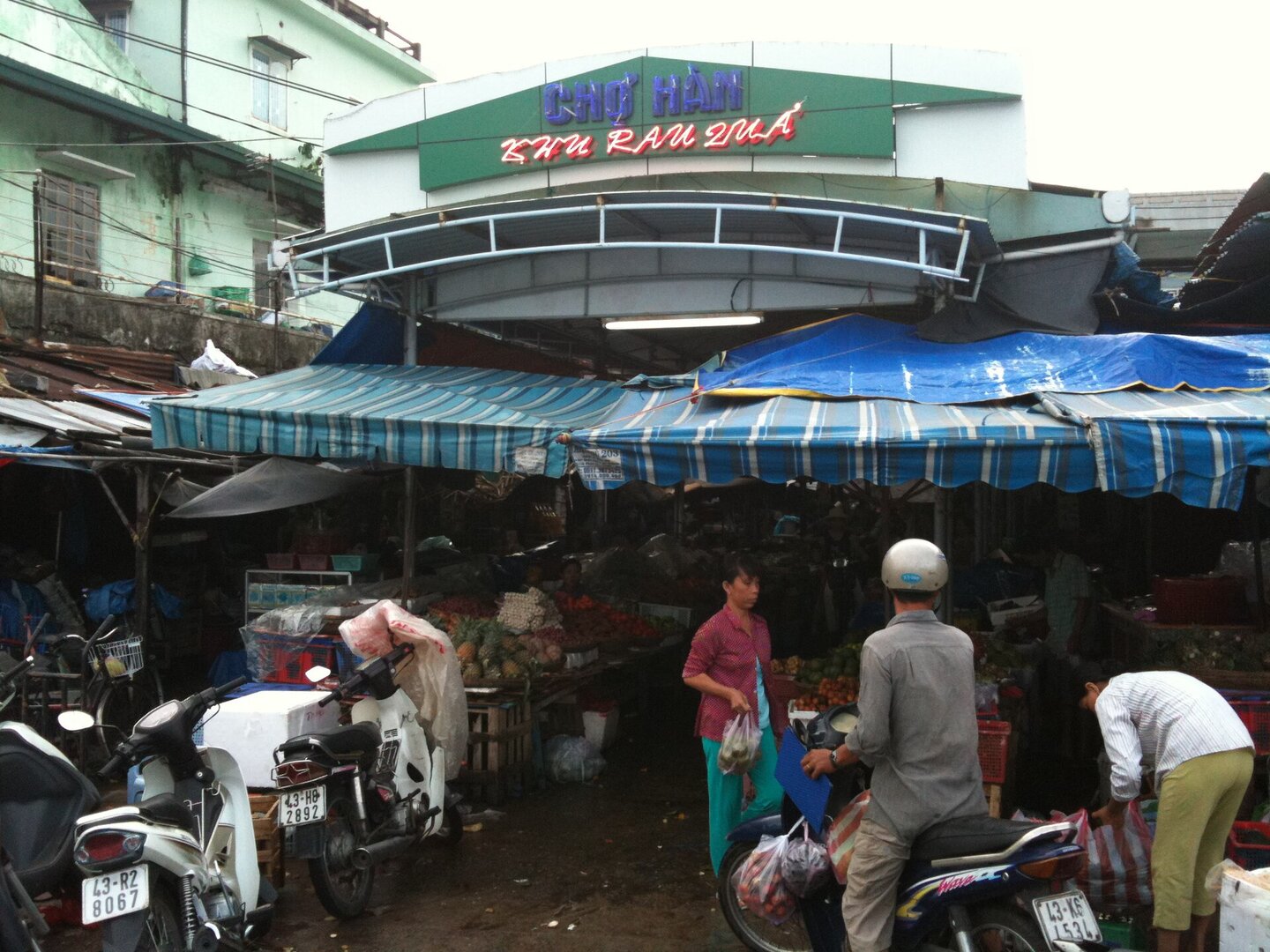
- Most visitors are tourists, with many groups from South Korea, Thailand, Taiwan, India and Malaysia. Locals still come to the fresh-produce section early in the morning to shop for the day. A few hundred traders do business in the market.
Planning
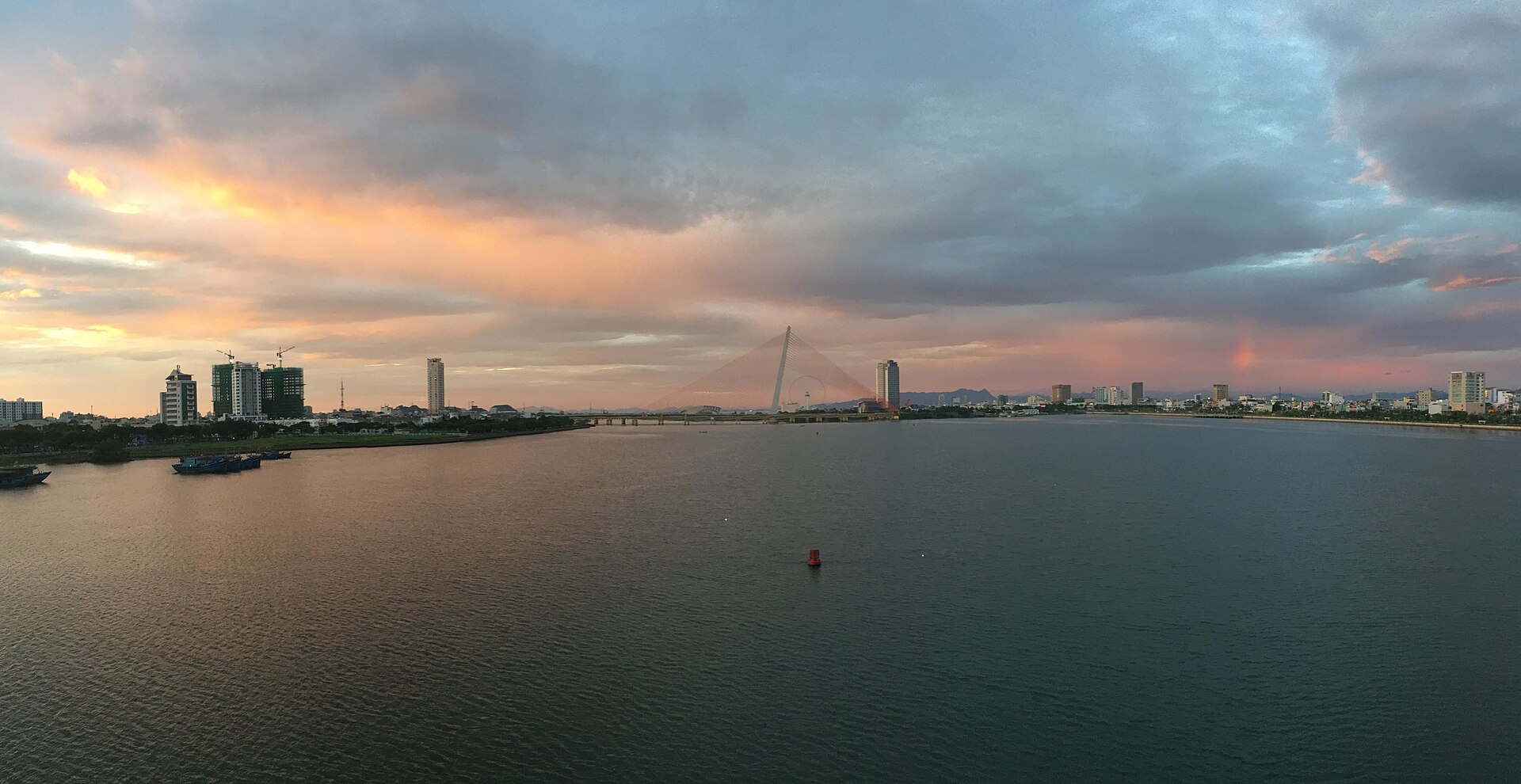
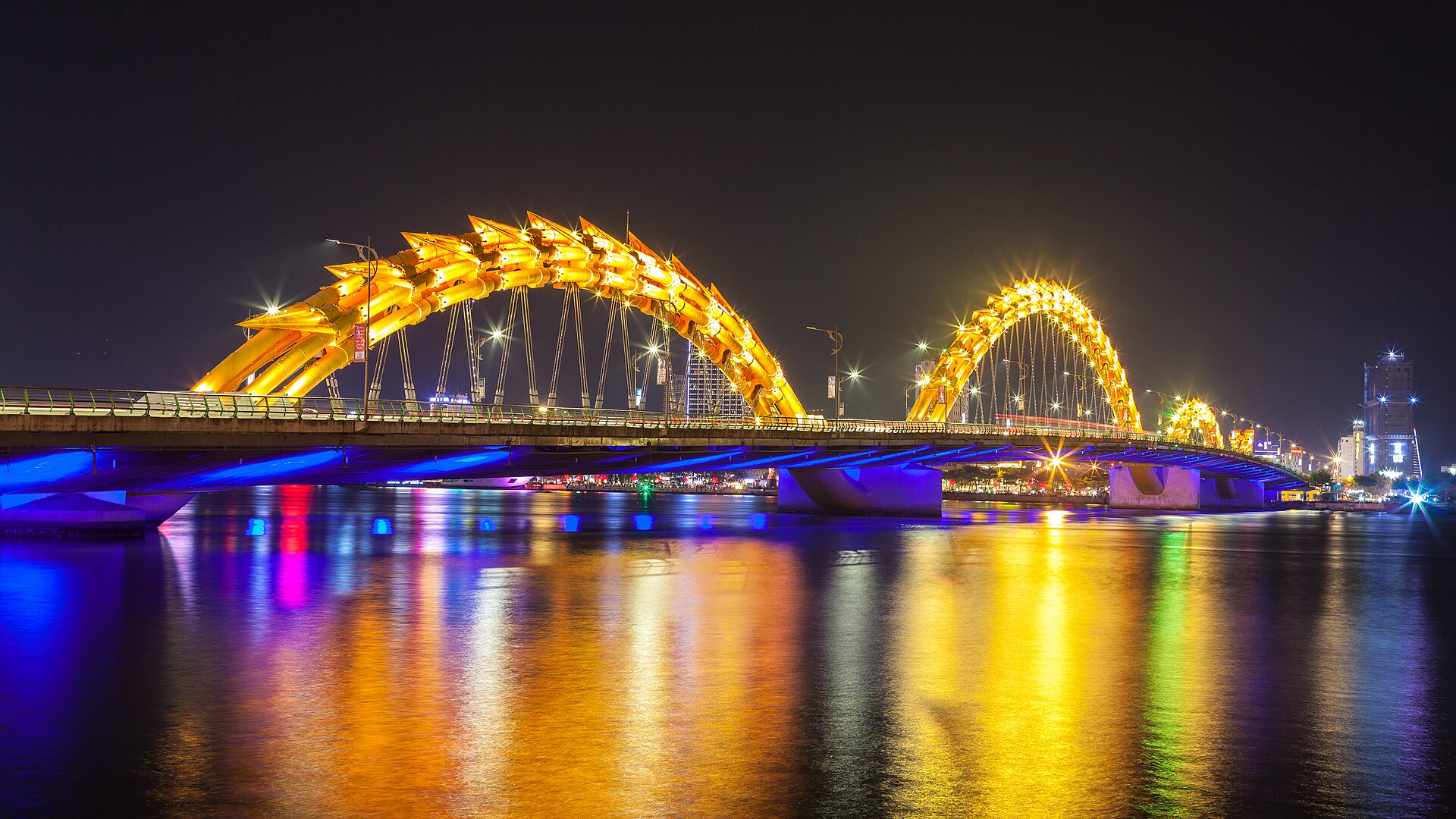
- Chợ Hàn is a daytime market, busy from early morning until dusk. It is busiest early in the morning in the fresh-produce section, and some stalls start packing up from late afternoon. The Sơn Trà night market at the end of the Rồng (Dragon) Bridge is a different place. Bargaining is normal at clothing and souvenir stalls, and prices quoted to tourists may start high. The market management board requires traders to display prices and sell at the listed price.
Atmosphere
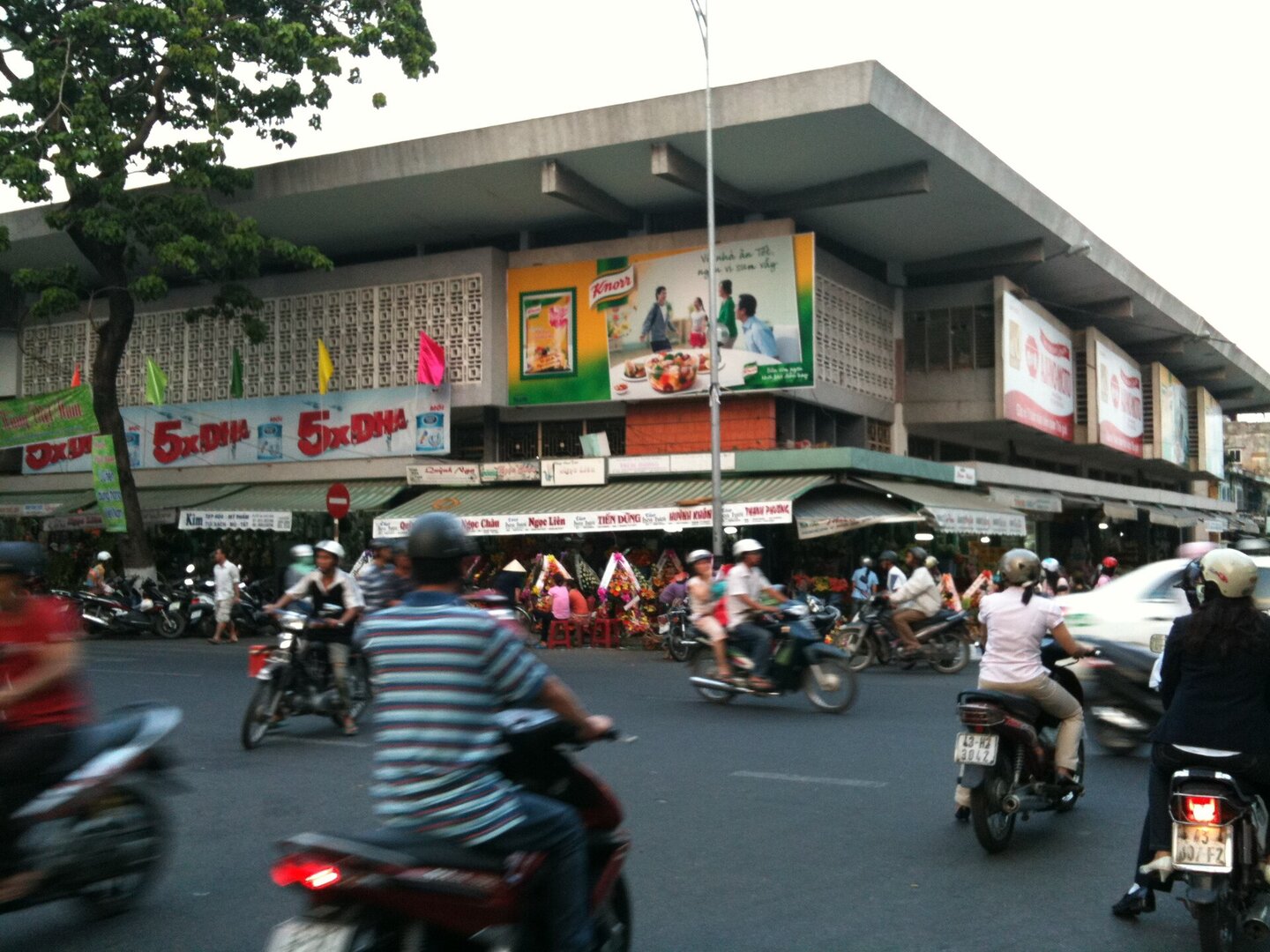
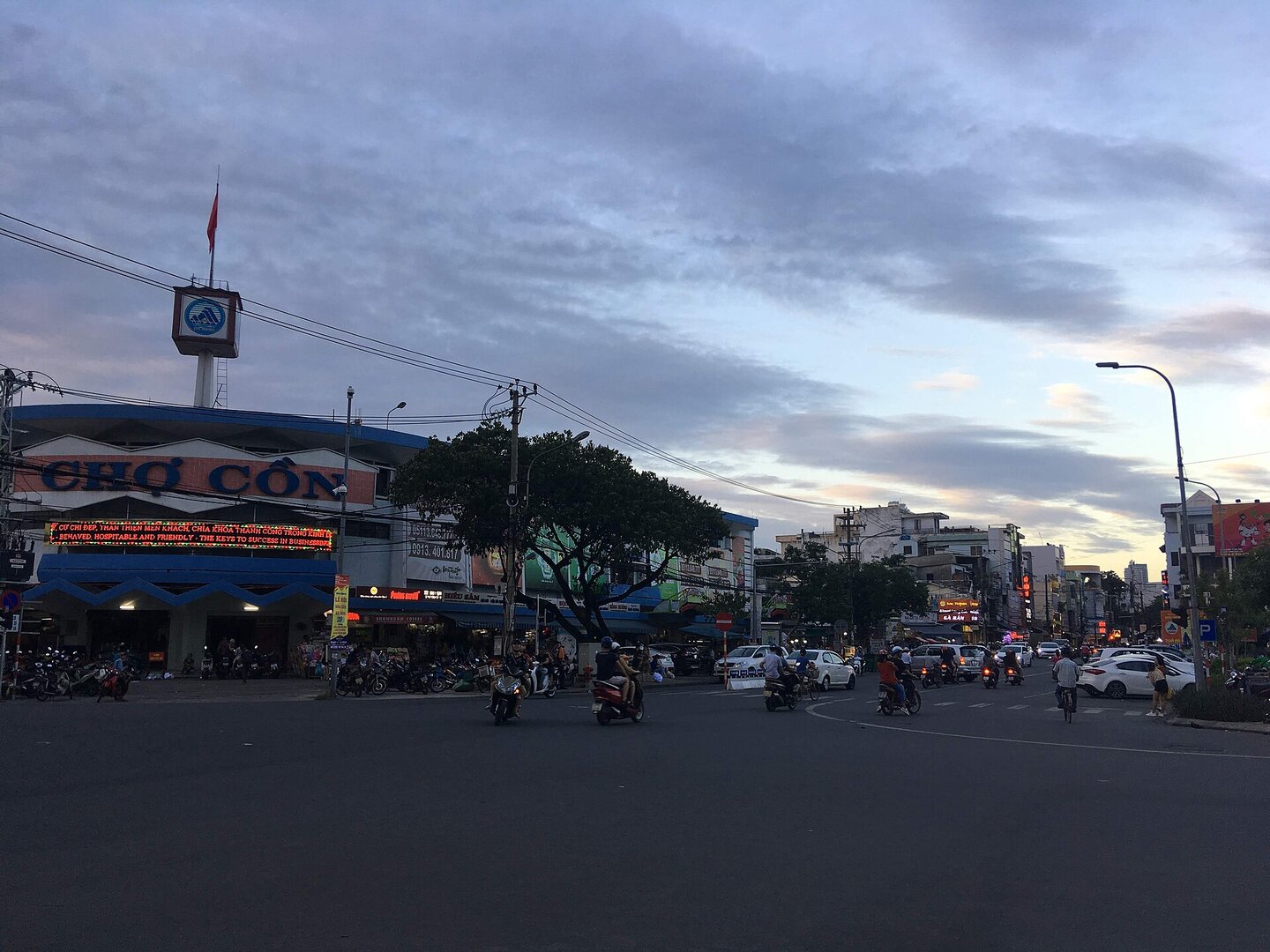
- Chợ Hàn (Han Market) is the central market of Đà Nẵng, near the Hàn River swing bridge. Its four sides face four streets: Trần Phú, Bạch Đằng, Hùng Vương and Nguyễn Thái Học. The name 'chợ Hàn Quảng' already appears on the 17th-century route map Thiên Nam tứ lộ đồ thư. In the late 19th century the French built a solid market of stalls and kiosks, along with the Tourane Marché railway station to carry goods to the city's main station. People in Đà Nẵng used to call it 'chợ nhà giàu' (the rich people's market).
Popular for
- People come to buy mắm (fermented fish pastes), above all mắm nêm, along with dried goods to take home as gifts such as dried shrimp, dried beef and dried squid; you can taste before buying. The ground floor has the fresh-produce section near the side entrances and the specialty counters. The upper floor sells fabric, clothes and áo dài, with stalls that tailor or adjust sizes on the spot. The market is known for áo dài (Vietnamese long dress) made to measure and ready within about an hour.
Dining options
- The food area is in the secondary hall on the Bạch Đằng street side, along the Hàn River. This row used to sell fruit and vegetables and became an eating area during the 2022–2023 renovation. It sells Central Vietnamese dishes to eat on the spot: nem lụi (lemongrass-skewered pork), chả bò (beef sausage), assorted chè (sweet soups), bánh ướt (steamed rice sheets), bánh bột lọc (tapioca dumplings), bánh canh (thick noodle soup) and mì Quảng (Quảng-style noodles), plus bún mắm, rice noodles on a mắm nêm base eaten with pork, chả and fresh herbs (Vietnambooking). Nem lụi is eaten straight off the skewer or slid off and rolled with fresh herbs (VinWonders). Eating here is in the cheap tier, and prices vary by stall.
Source
Last verified 23 Nov 2026
- Prices
- vietnambooking.com · checked 23 Nov 2026
- History
- danangfantasticity.com · checked 23 Nov 2026
- Dishes
- diendandoanhnghiep.vn · checked 23 Nov 2026
All 11 sources
- vietnambooking.comwebsite
Prices · Other details · checked 23 Nov 2026
- danangfantasticity.comwebsite
History · Name · Other details · checked 23 Nov 2026
- diendandoanhnghiep.vnnewspaper
Dishes · On-site experience · Name · Other details · checked 23 Nov 2026
- localvietnam.comwebsite
On-site experience · Other details · checked 23 Nov 2026
- baophapluat.vnnewspaper
Name · Other details · checked 23 Nov 2026
- nhandan.vnnewspaper
Other details · checked 23 Nov 2026
- vietnamnet.vnnewspaper
Other details · checked 23 Nov 2026
- nhadautu.vnwebsite
Other details · checked 23 Nov 2026
- thesaigontimes.vnwebsite
Other details · checked 23 Nov 2026
- tuoitre.vnnewspaper
Other details · checked 23 Nov 2026
- vinwonders.comwebsite
Other details · checked 23 Nov 2026
Read the full note
Identity and location were checked against OpenStreetMap (the 'Chợ Hàn' marketplace at 119 Trần Phú, checked 23 Nov 2026) and Đà Nẵng Fantasticity, the city's official tourism portal (updated 28 Sep 2024). History comes from Báo Pháp Luật (19 Dec 2010 and 12 Jun 2008) and Đà Nẵng Fantasticity. The 29 Mar 1991 opening of the market hall is from VietNamNet (19 Mar 2023). The 2022–2023 renovation and the location of the food area are from Nhân Dân (4 Apr 2023), with SGGP (6 Sep 2022). Dishes, the market's daily rhythm and the price-display requirement are from Diễn đàn Doanh nghiệp (10 May 2023). Mắm and dried goods are from VietNamNet. Tourist share is from Kinh tế Sài Gòn (11 May 2023). Trader numbers are from Nhà Đầu Tư (15 Mar 2023). Floor layout, bargaining and the morning rush are from localvietnam.com (20 May 2025). Bún mắm and the price tier are from Vietnambooking (14 Apr 2026). How to eat nem lụi is from VinWonders. The Sơn Trà night market is from Tuổi Trẻ (27 Sep 2025). Rejected: the claim that the market 'formed in 1940', because two independent sources show it existed in the 17th century and was built in solid form by the French in the late 19th century. Also rejected: about 20 facts found only on vietnamtourism.com (not the state portal), including 'unwritten rules' on ordering and bargaining and claims of separate prices by nationality. The construction start year of the market hall (1989 or 1990), its floor area and closing time still conflict between sources and are not recorded. Photos are from Wikimedia Commons (by Dragfyre, Daderot, Christophe95, Viethavvh and Minhtung91, SunkistSun; licensed CC0, CC BY, CC BY-SA), taken 2009–2018, before the 2022–2023 renovation.
Source-checked by Vietlume: compiled by AI from public sources, then checked against each source above before publishing.
Star ratings & comments
Anyone can read. Sign in to rate, comment and like.